Shopping Cart
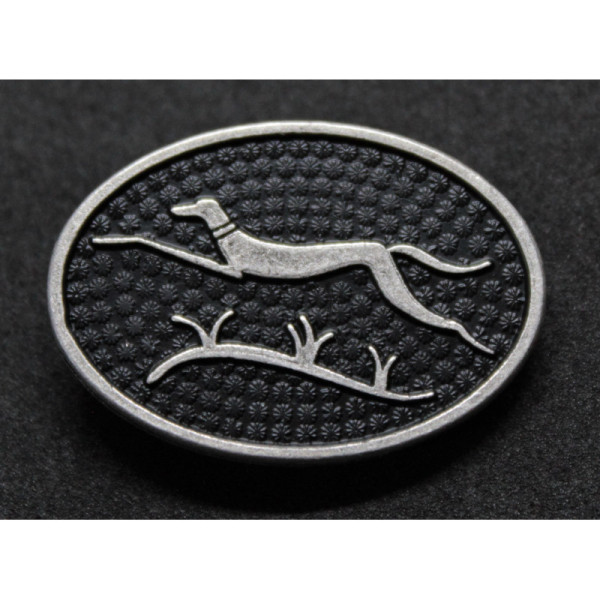
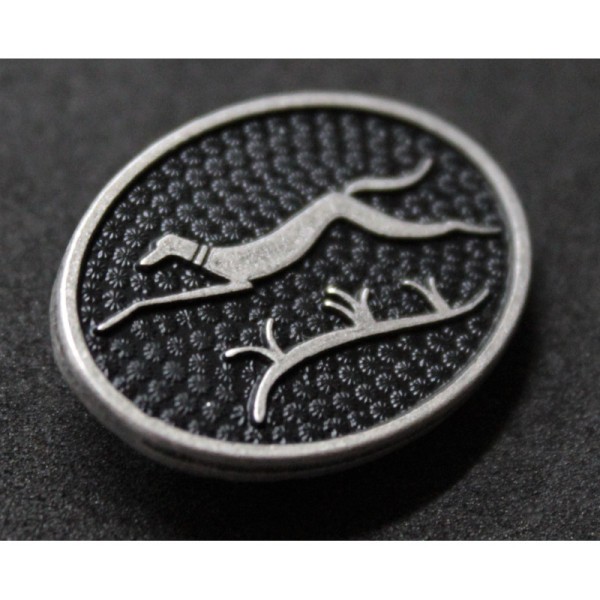
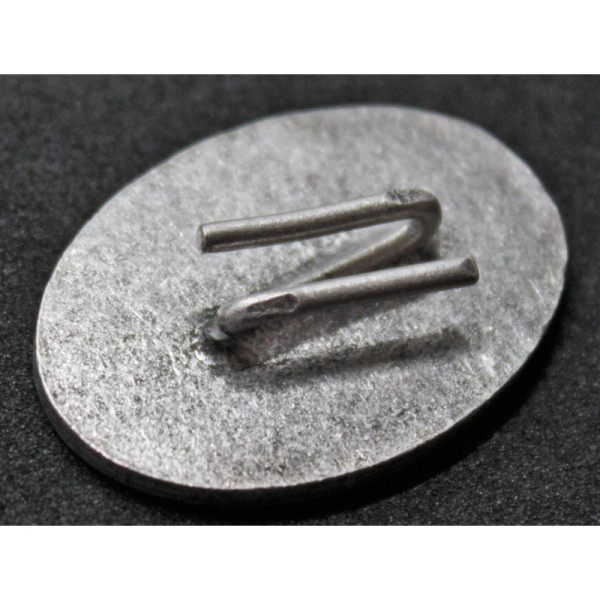
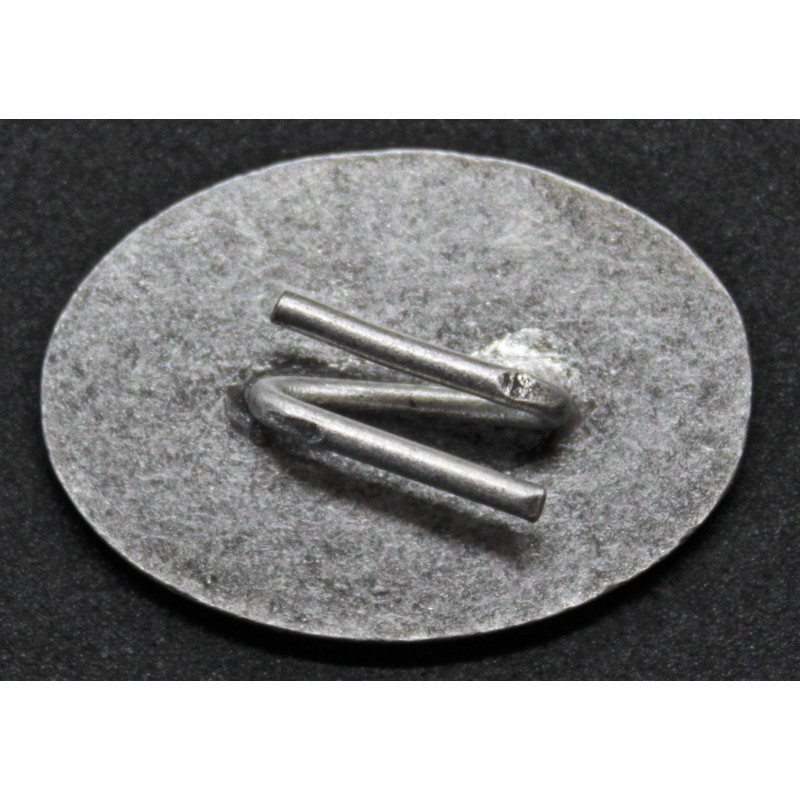
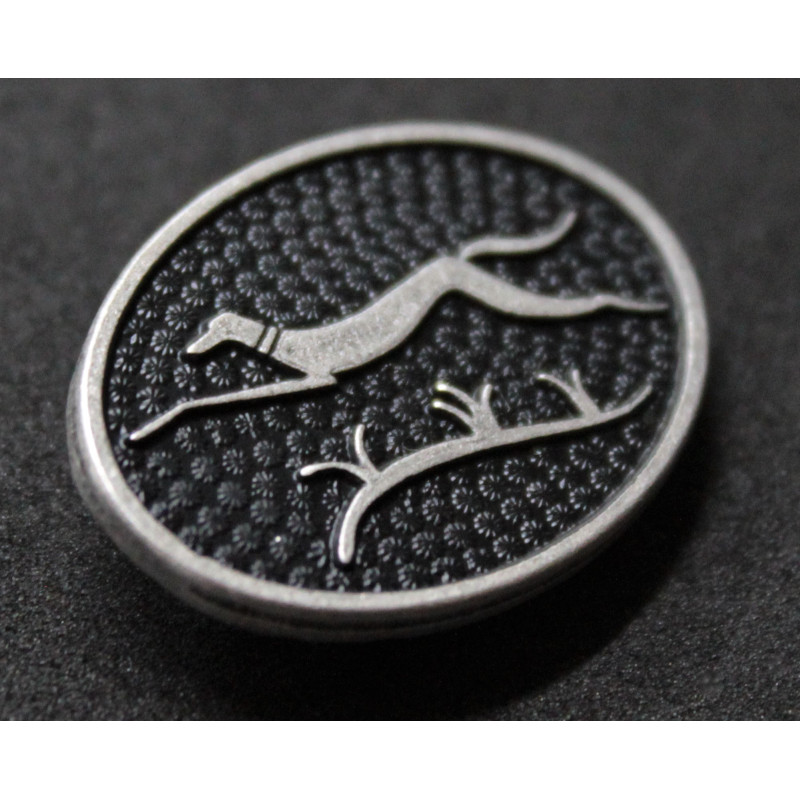
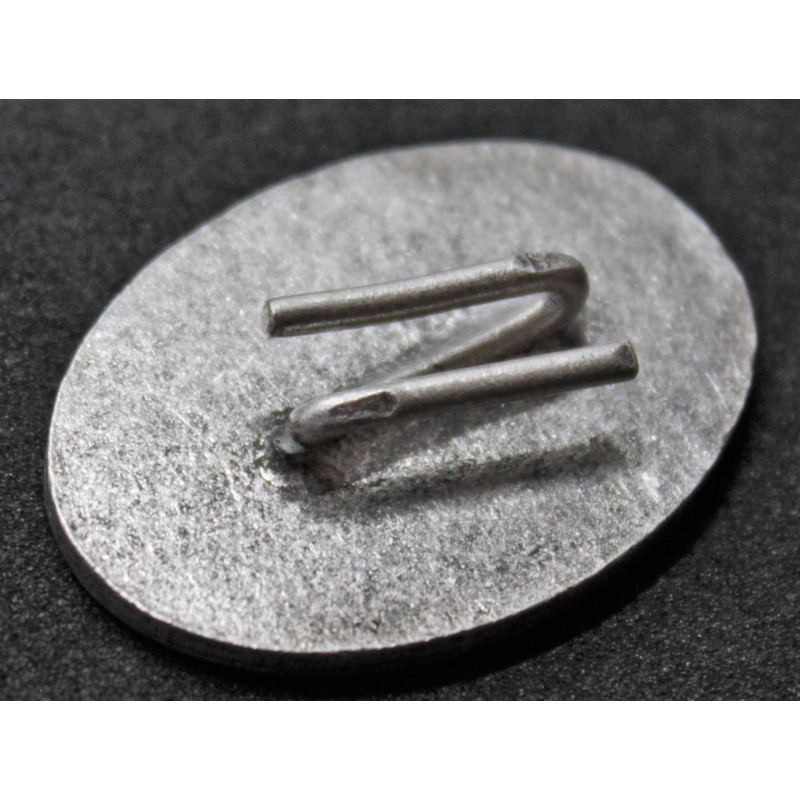
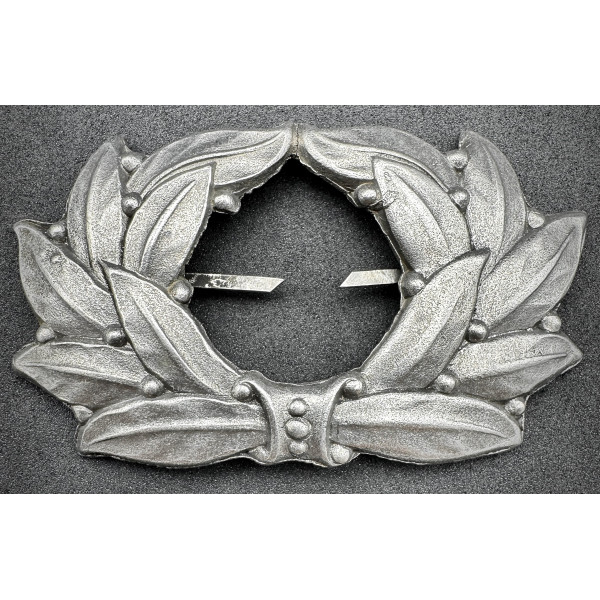
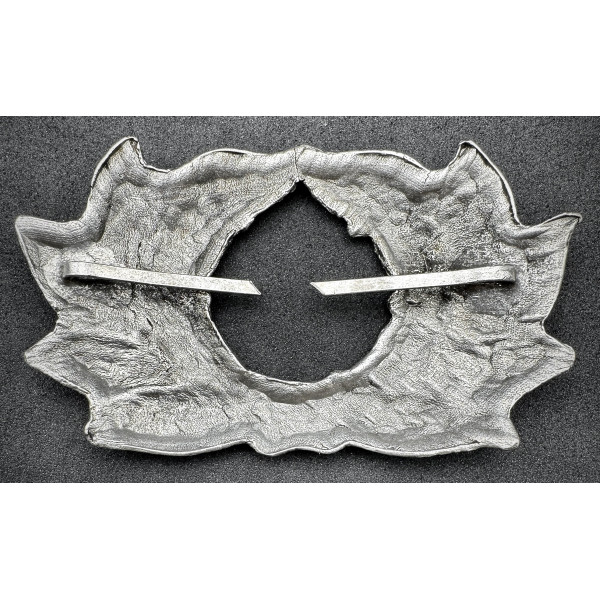
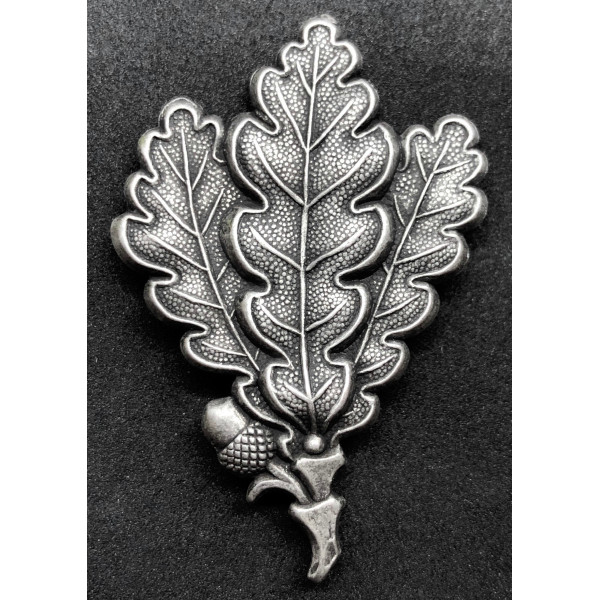
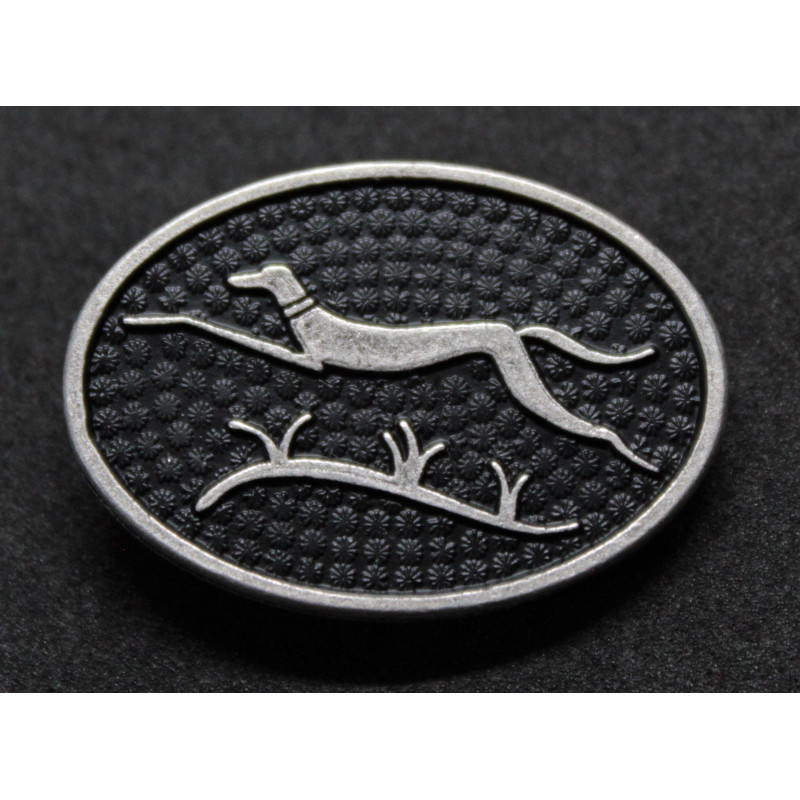
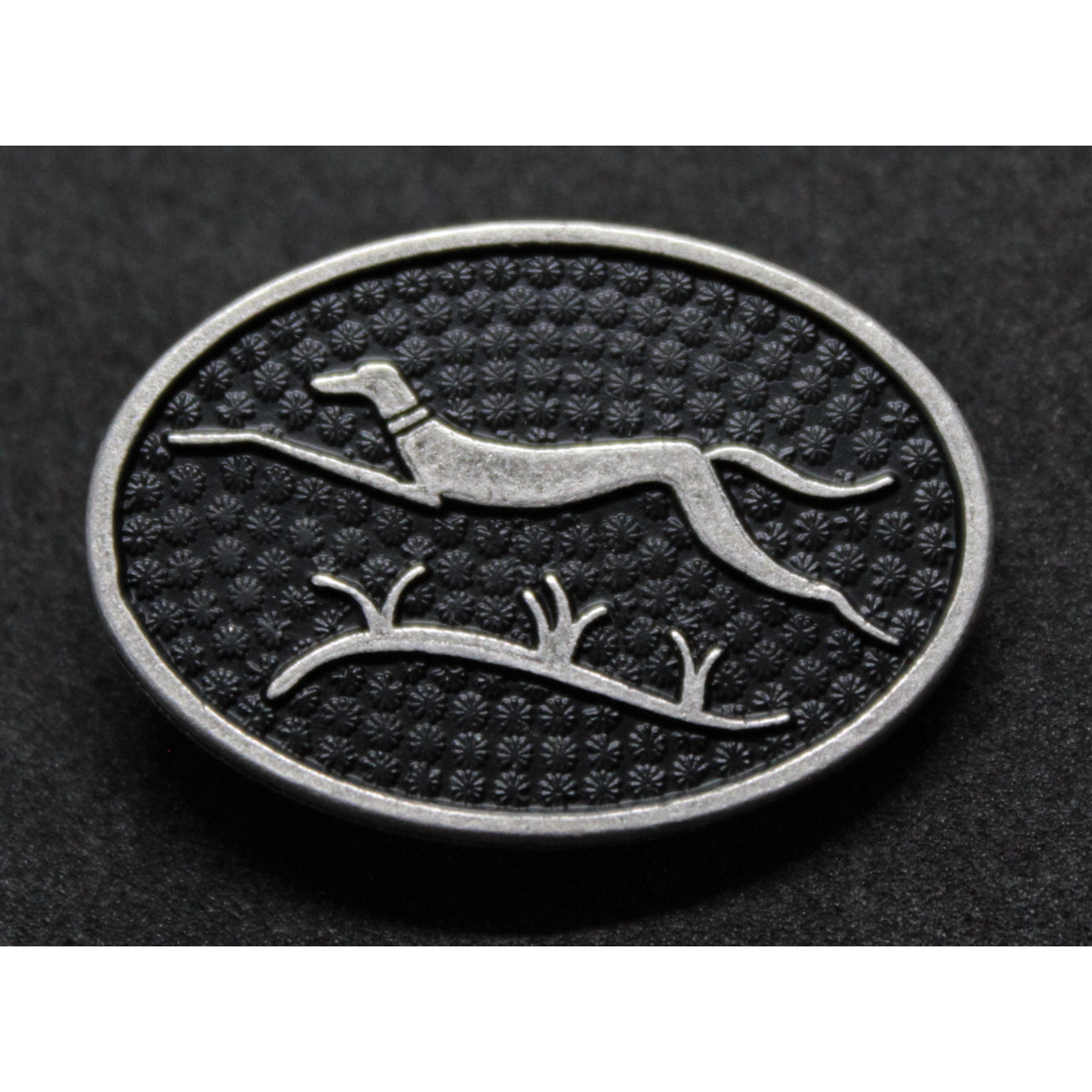
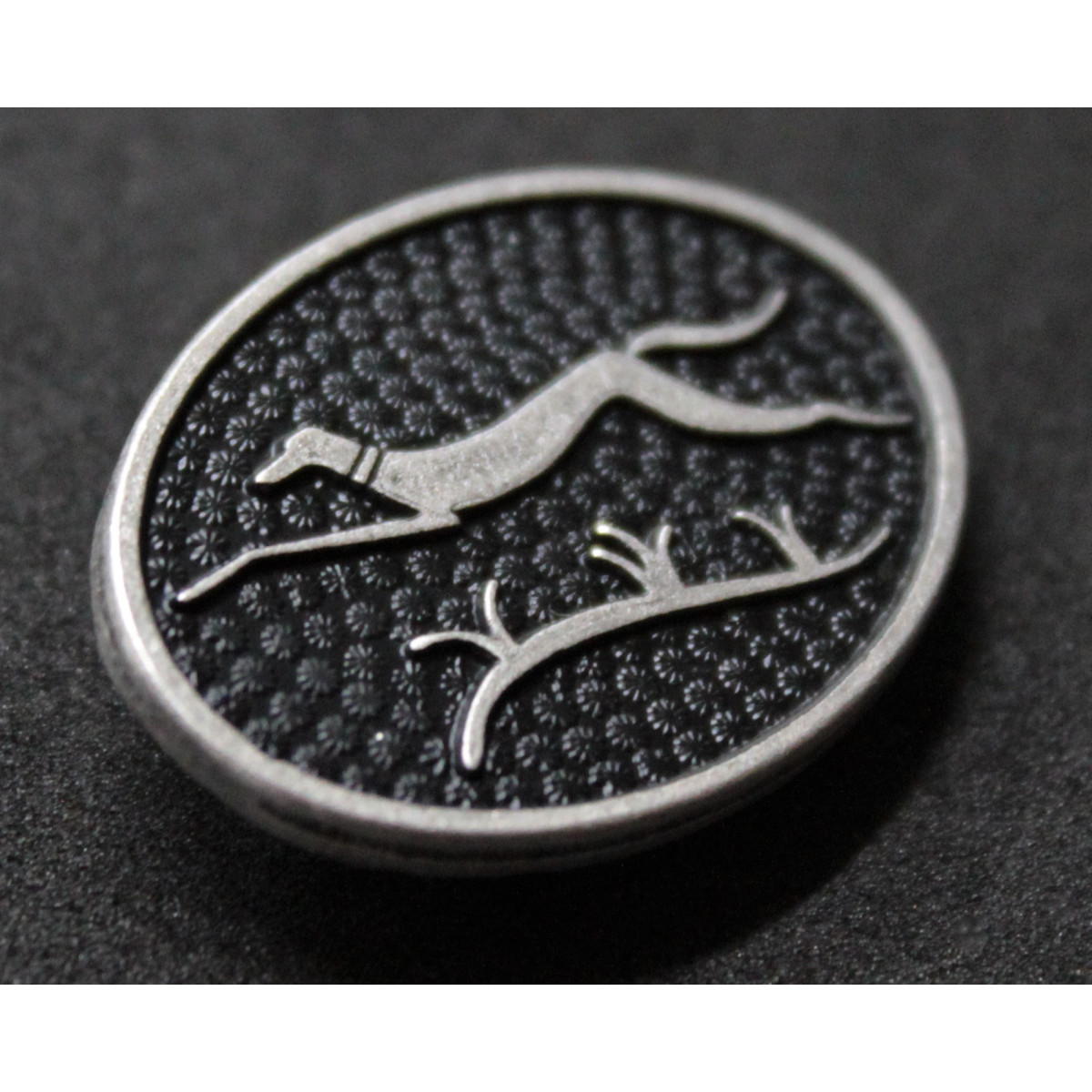
The 116th Panzer Division, also known as the "Windhund (Greyhound) Division", was a German armoured formation that saw combat during World War II.
Spedizione in Italia: 5.90€ con corriere BRT tracciato in 24h. Gratis per ordini oltre 60€
Spedizione in Europa: a partire da 8.90€ con DPD/FedEx, consegna in 2-3 giorni con tracking code. Gratis per ordini oltre 90€
Spedizione in USA: a partire da 18.90€ con corriere FedEx, consegna in 2-4 giorni con tracking code. Gratis per ordini oltre 399€
Reso gratuito: offriamo resi gratuiti per articoli danneggiati (non per danni causati dall'acquirente) o difettosi entro 30 giorni dalla ricezione dell’ordine. Puoi restituire il prodotto in cambio di un buono spesa, un prodotto diverso o un rimborso diretto con il metodo di pagamento originale.
Ci piace innovare, sperimentare ed aggiungere sempre nuovi prodotti al nostro catalogo, che vanta già più di 1500 articoli, interamente fatti seguendo le antiche tecniche di artigianato Fiorentino.
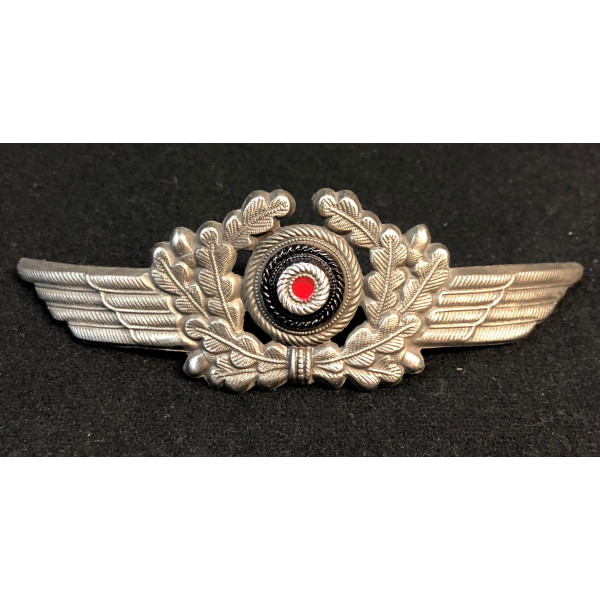
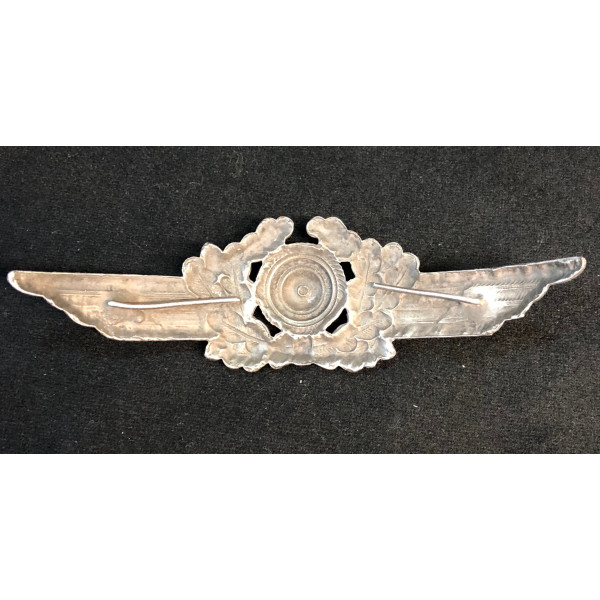
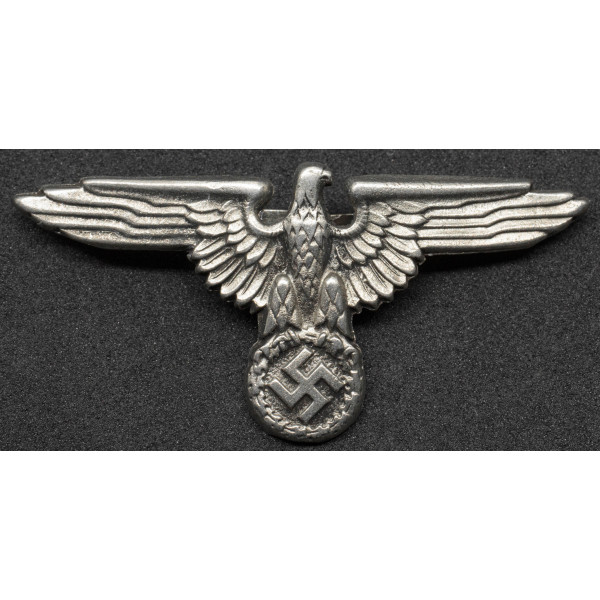
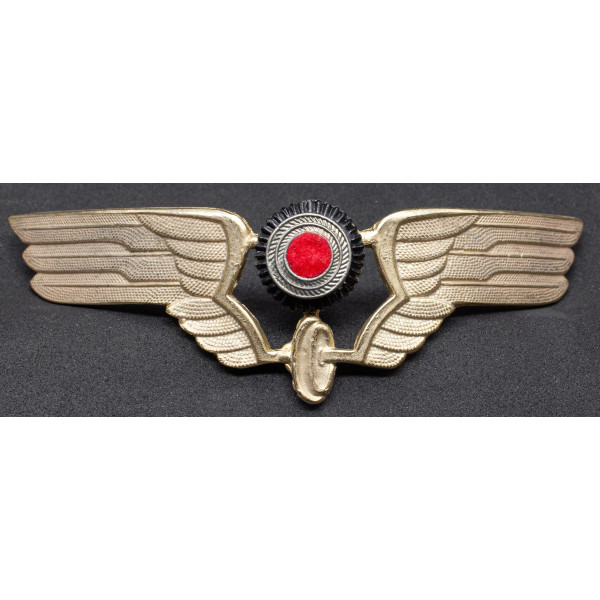
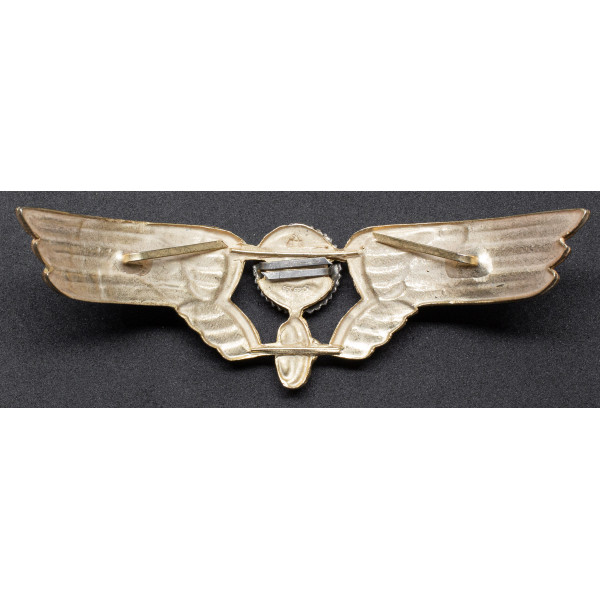
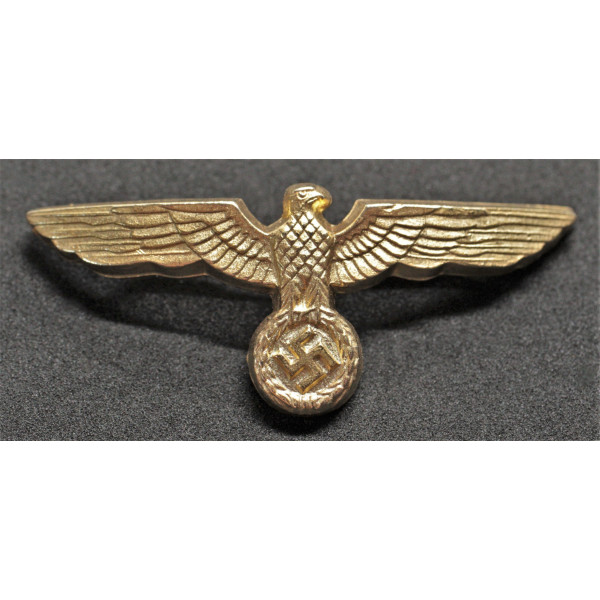
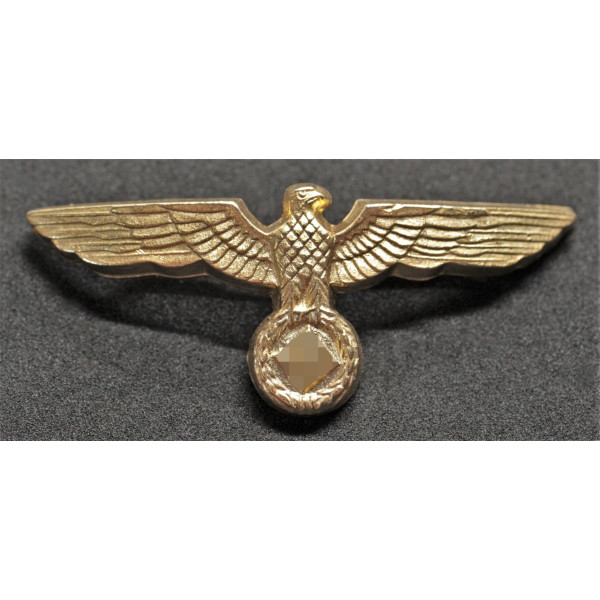
I nostri articoli sono riproduzioni fedeli, create partendo da uno specifico modello, che nella maggior parte dei casi è proprio l'oggetto originale, che custodiamo gelosamente nella nostra collezione.
Ogni nostro prodotto è pensato, sviluppato e creato in Italia, nei luoghi in cui la nostra azienda riesce a dare libero sfogo alla creatività e alle complesse tecniche di lavorazione dei materiali metallici che utilizziamo.
The 116th Division was constituted in the Rhineland and Westphalia areas of western Germany in March 1944 from the remnants of the 16th Panzergrenadier Division, and the 179th Reserve Panzer Division. The 16th had suffered heavy casualties in combat on the Eastern Front near Stalingrad, and the 179th was a second-line formation that had been on occupation duty in France since 1943.
In 1944, it participated in opposing the Normandy landings, the Battle of Normandy, and was later trapped in the Falaise Pocket following Operation Cobra.

Along with the 2nd SS Panzer Division, it was responsible for holding the pocket open to allow German troops to escape. It managed to escape, although with only 600 infantry and 12 tanks intact. In October, it fought against American forces in the Battle of Aachen, with the town falling to the Americans on 21 October. It was moved to Düsseldorf for refitting. On 8 November, the division repulsed an attack from the U.S. 28th Infantry Division in the Hürtgen Forest during the larger Battle of Hürtgen Forest, recapturing the town of Schmidt, thus providing the name to the 28th of the "Bloody Bucket Division".
The 116th then participated in the failed "Wacht am Rhein" Operation in the Ardennes. On 10 December, before the offensive, it was partly refitted, with 26 Panzer IV and 43 Panther tanks and 25 Jagdpanzer IV tank destroyers (of which 13 were combat ready). However, it was still missing much of its organic transport. Initially stalled by the resistance and then poor bridges in attacks to cross the Our River at Luetzkampen and Ouren, it back-tracked to march through Belgium from Dasburg to Houffalize. The division then fought its way as the middle spearhead of the advance on the Meuse from Samree to La Roche. It was then involved in heavy fighting at Hotton and Verdenne, where it was turned back at its furthest advance in the Ardennes.
It later held the Allies at bay for other units to retreat, before being withdrawn over the Rhine in March. It then opposed the U.S. Ninth Army's advance across the Rhine, thus stopping the planned Allied breakthrough as well as opposing Operation Varsity's airborne landings. With 2,800 men and 10 tanks against 50,000 Allied troops and supporting tanks, the division faced the U.S. 30th, the U.S. 35th, the U.S. 84th, the 4th Canadian and the U.S. 8th Armored Divisions. On 18 April 1945, the majority of the division was forced to surrender to the U.S. Ninth Army, having been trapped in the Ruhr Pocket. Remnants of the division continued to fight in the Harz mountains until 30 April, surrendering only after all of their resources had been exhausted.