Shopping Cart
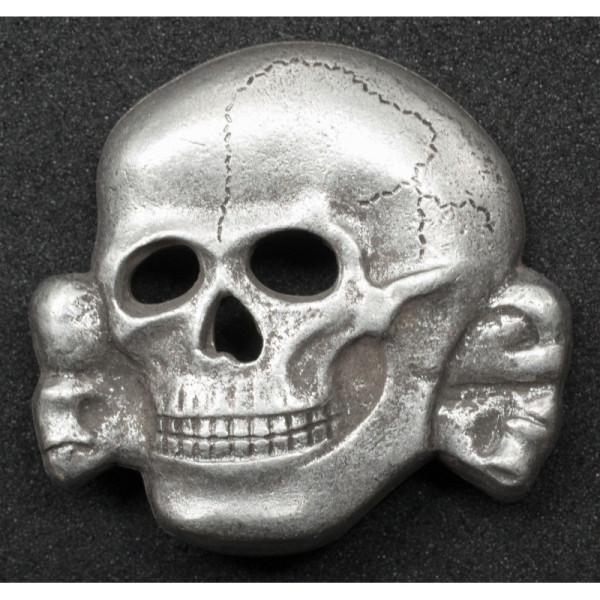
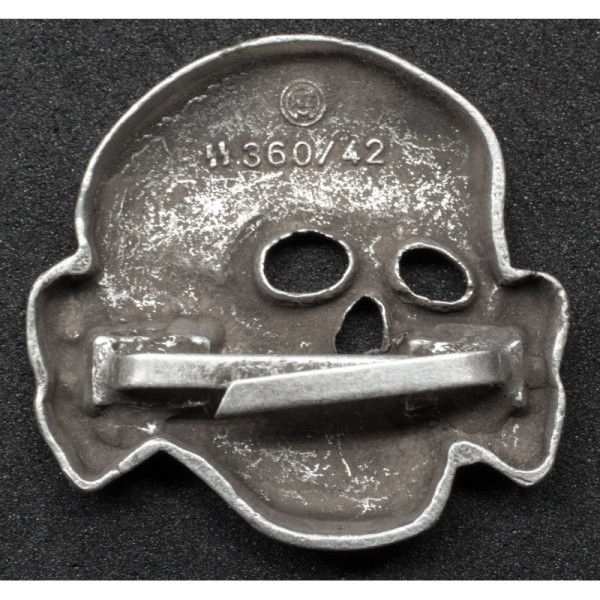
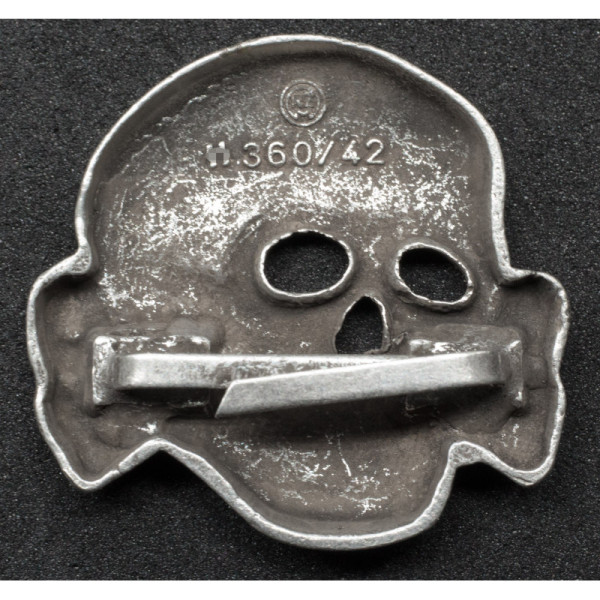
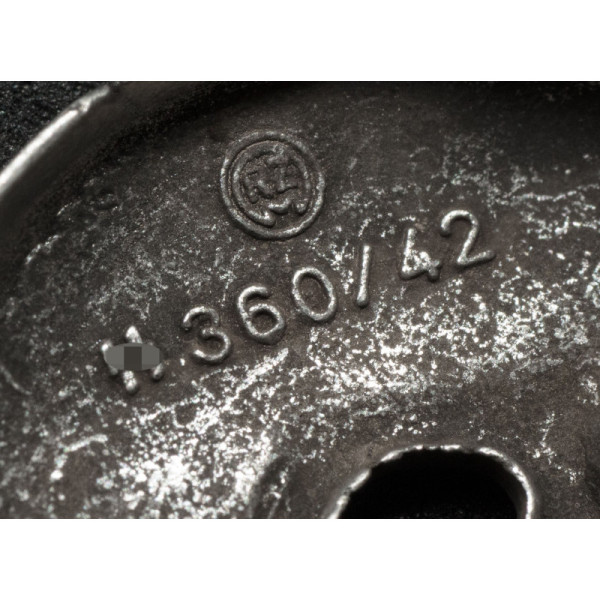
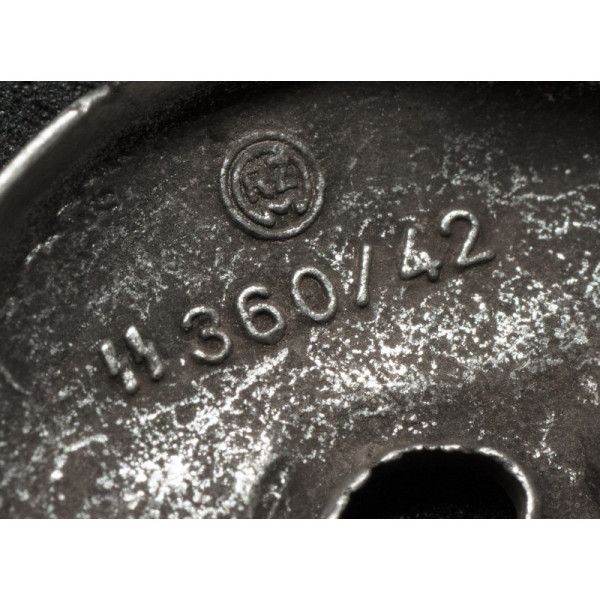
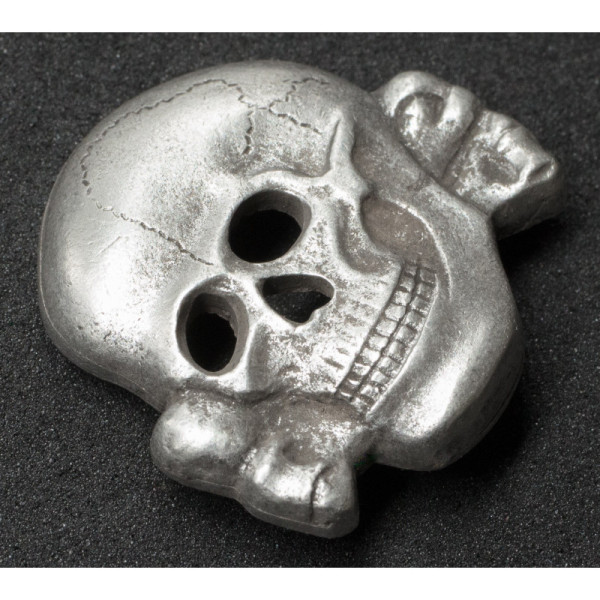
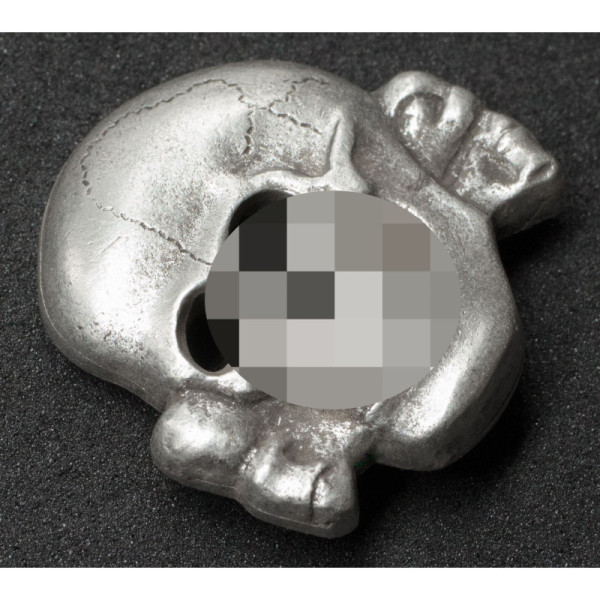
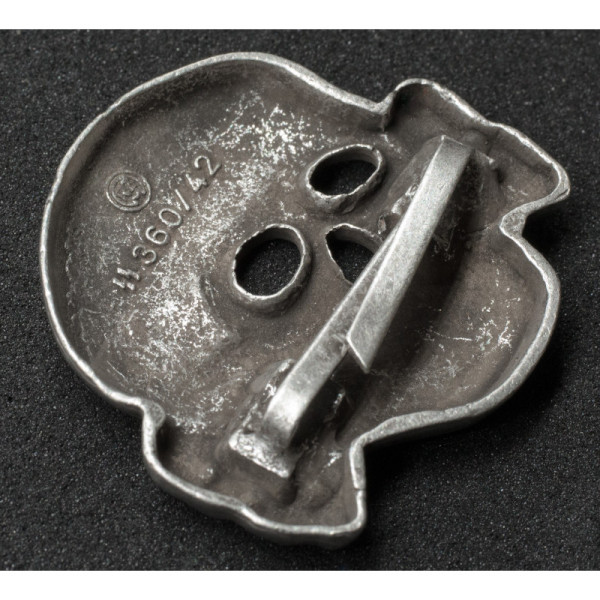
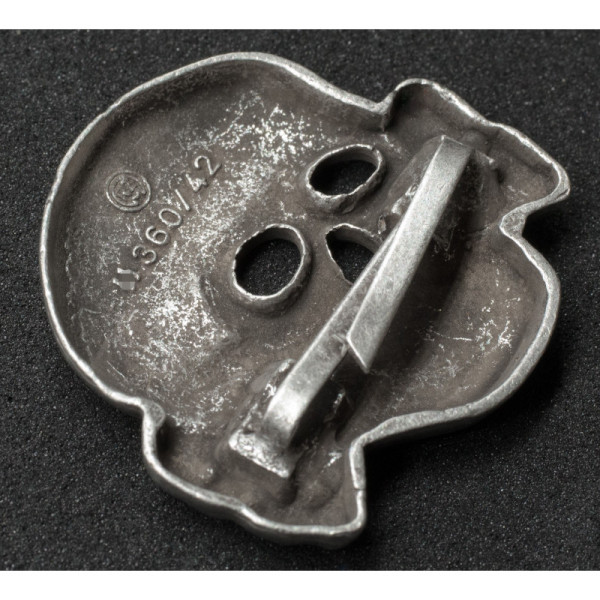
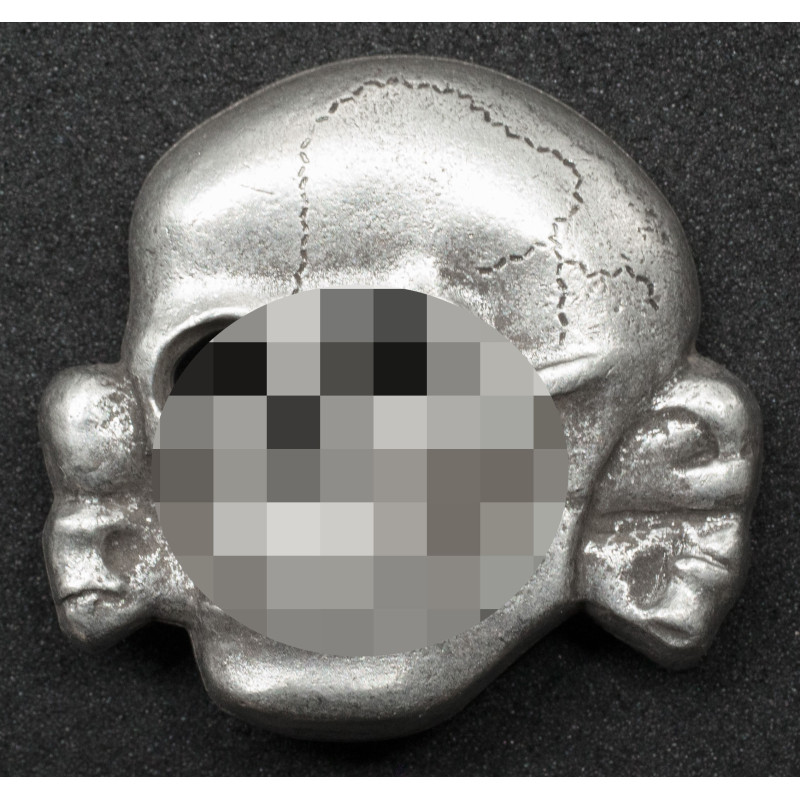
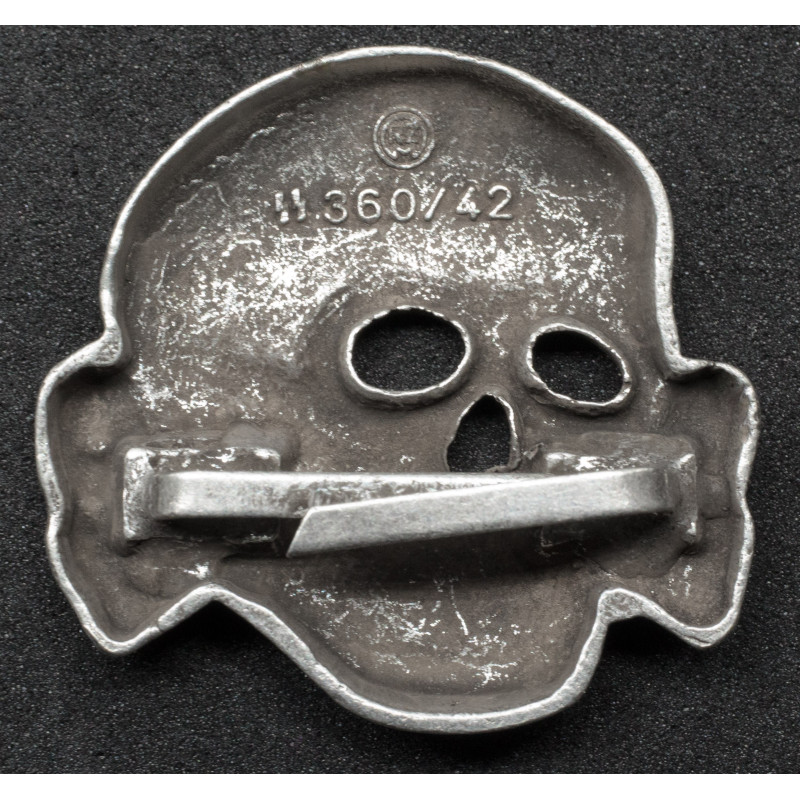
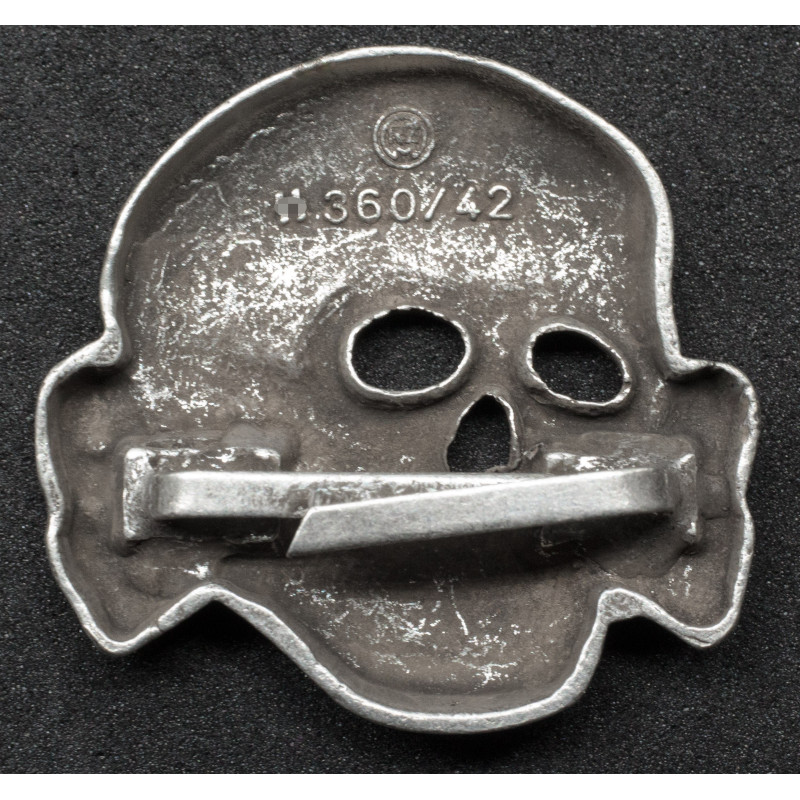
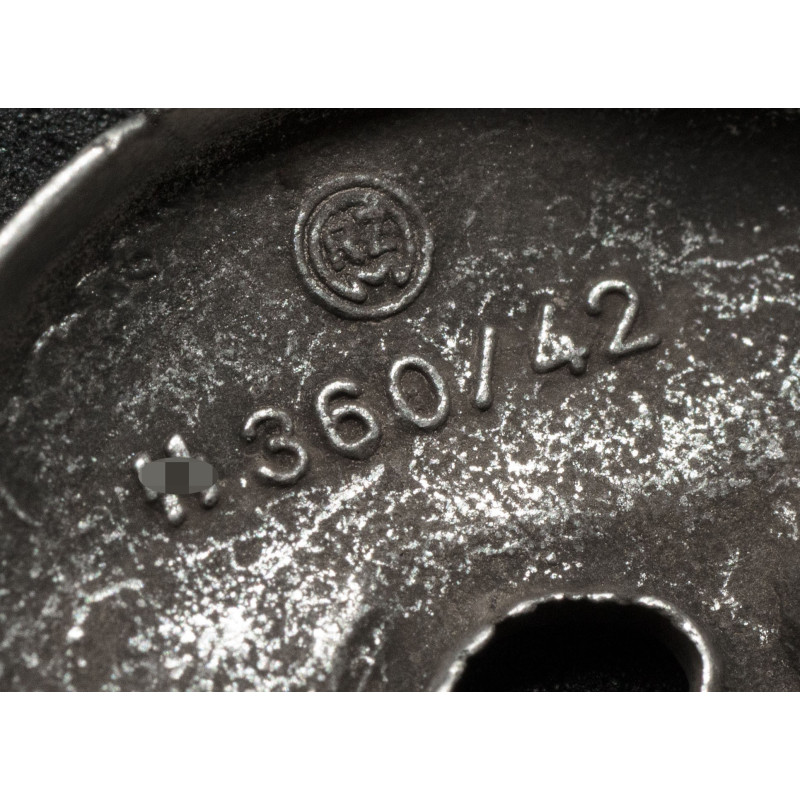
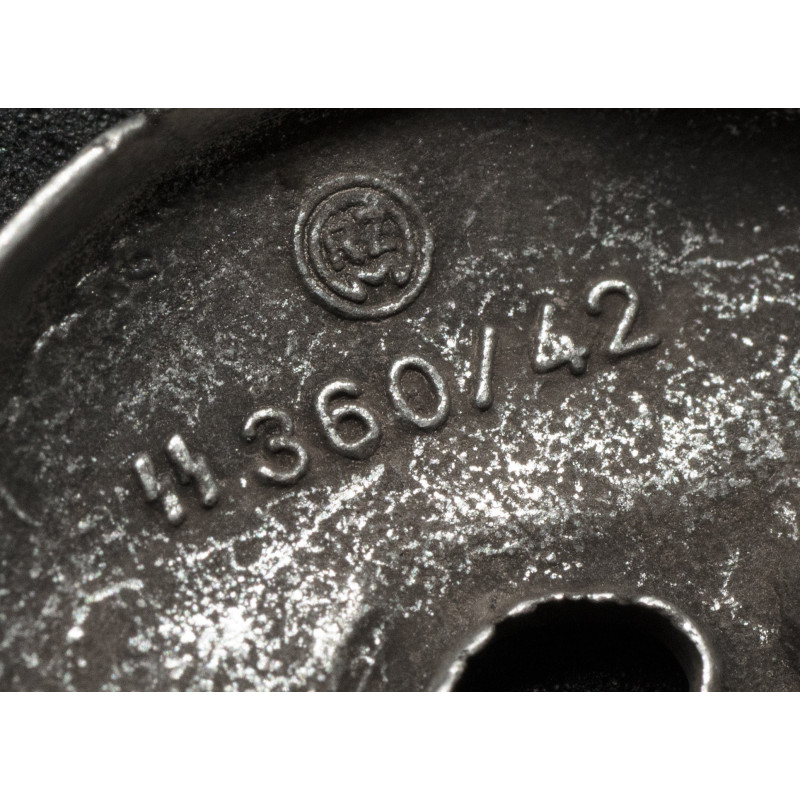
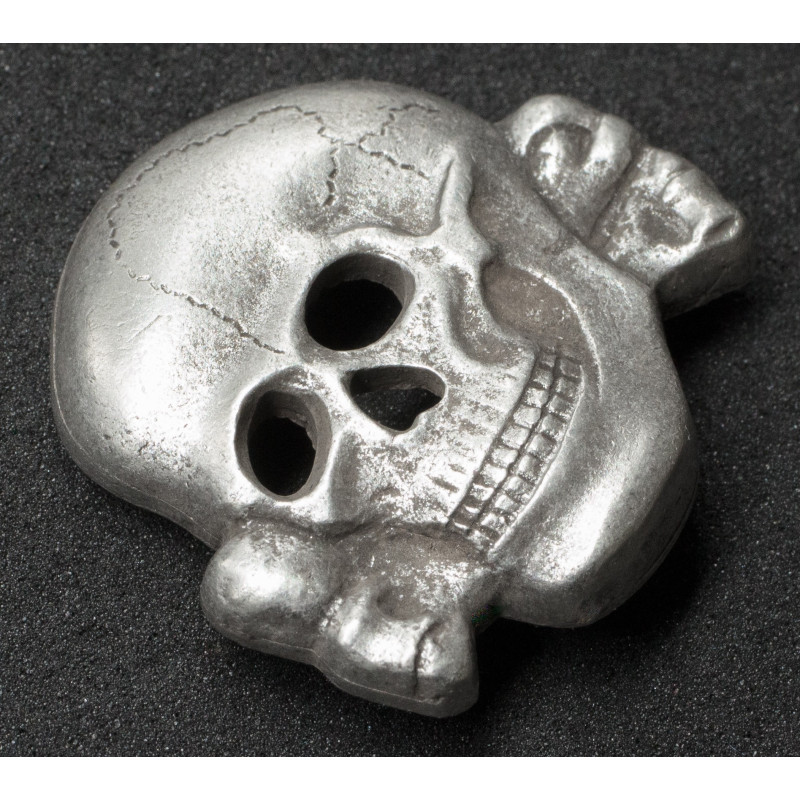
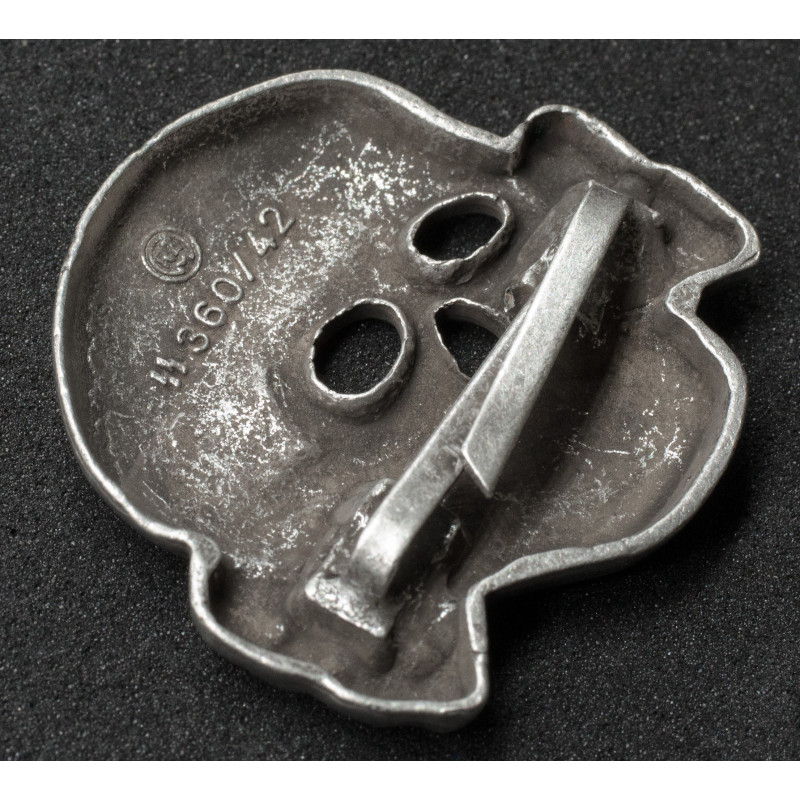
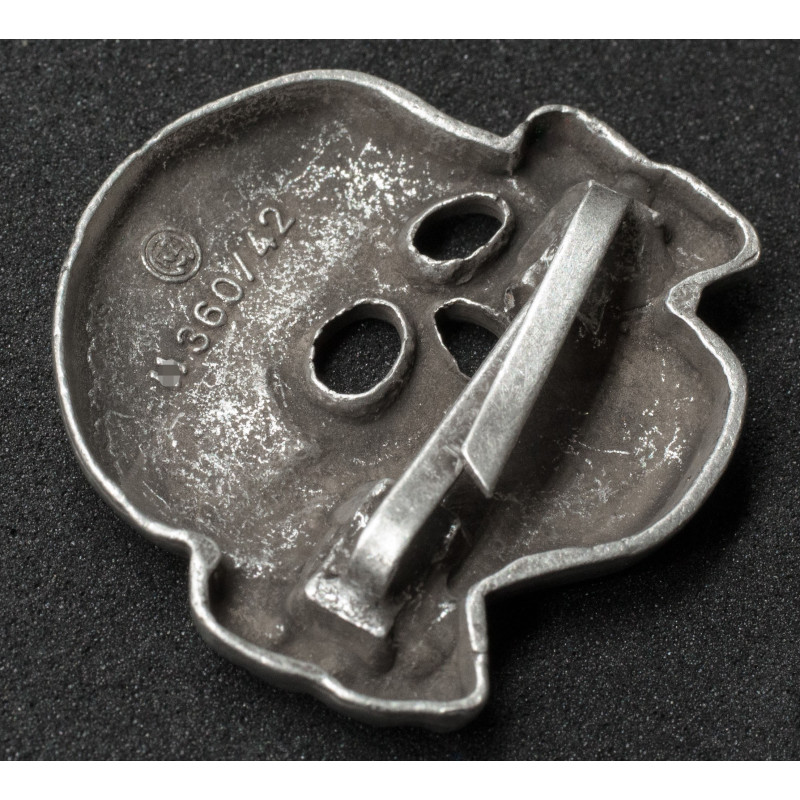
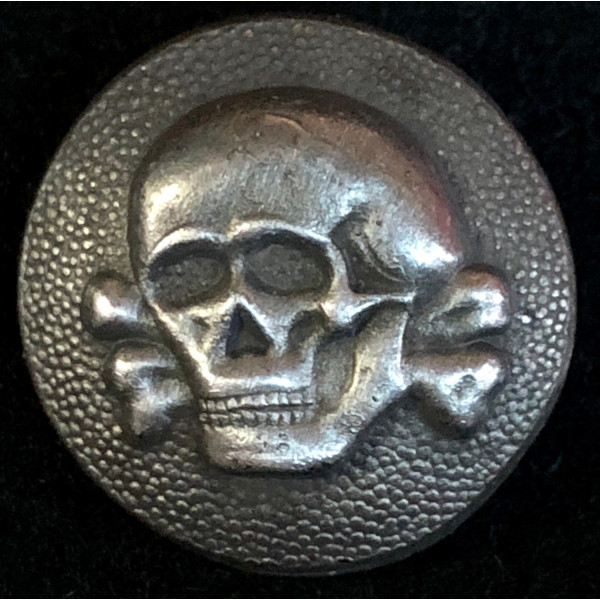
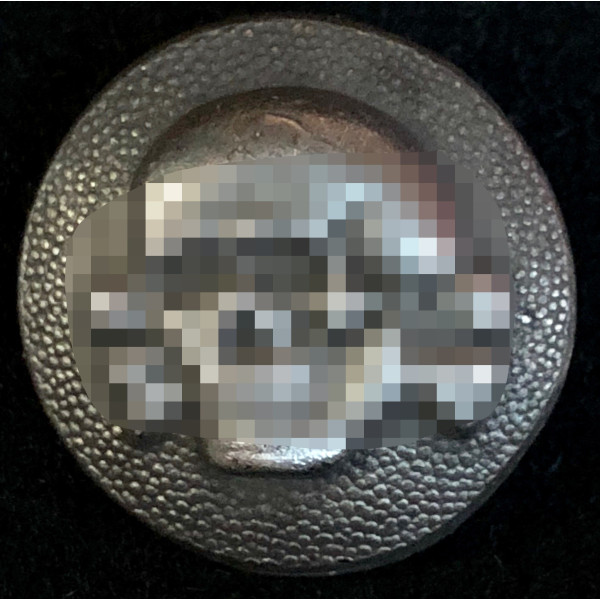
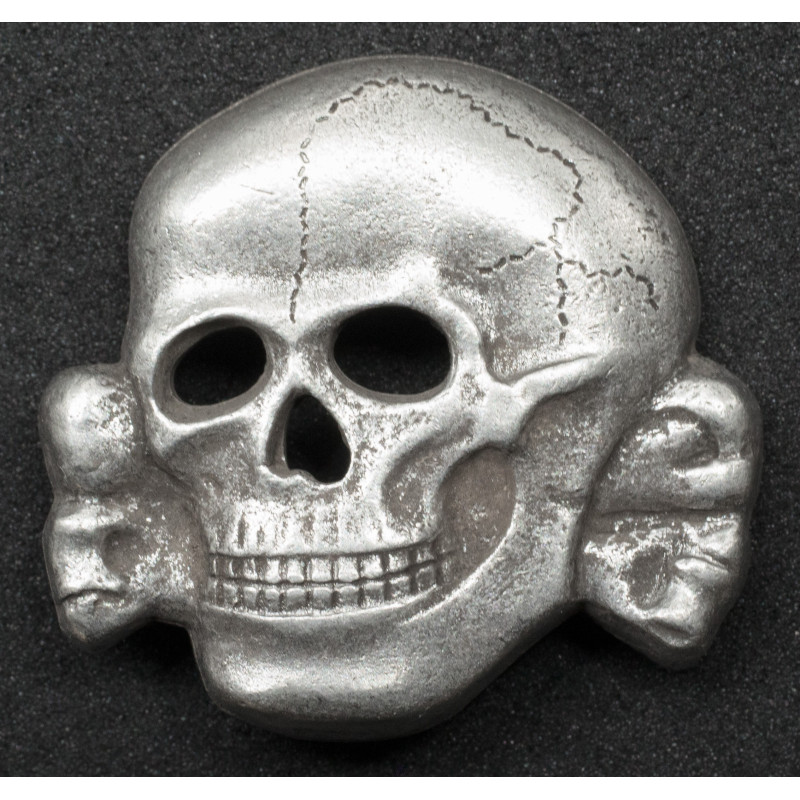
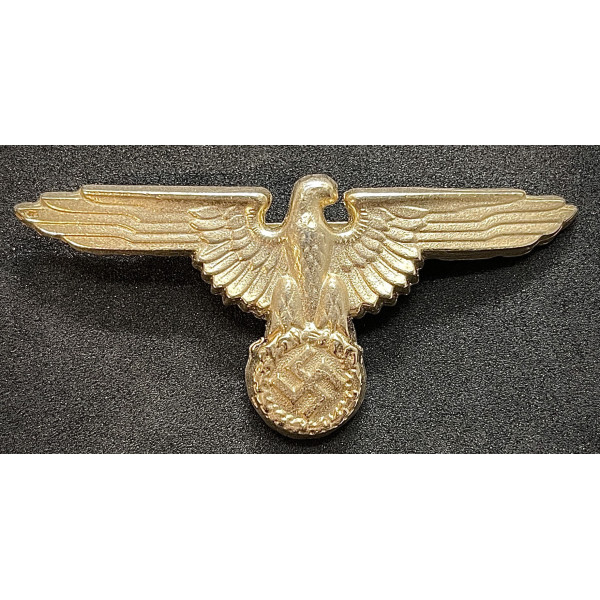
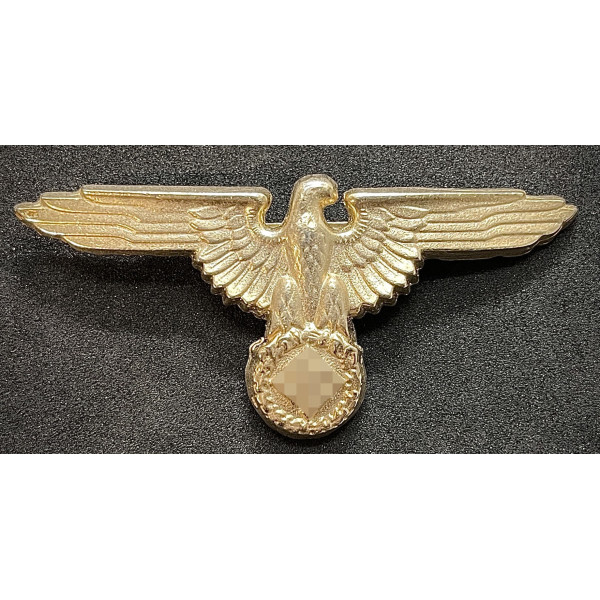
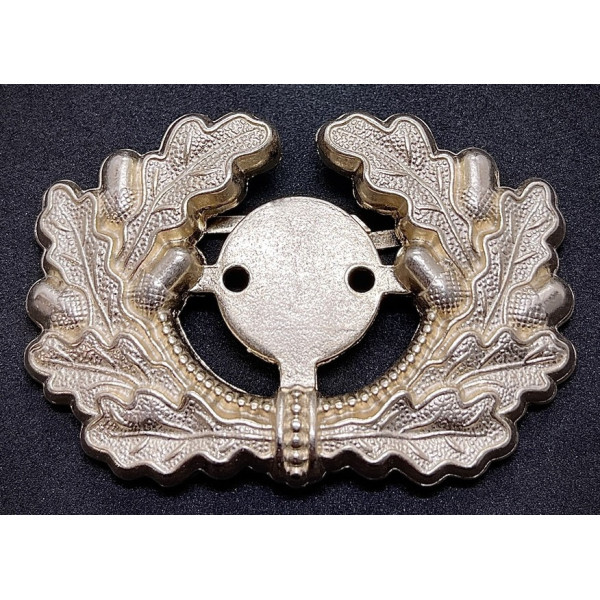
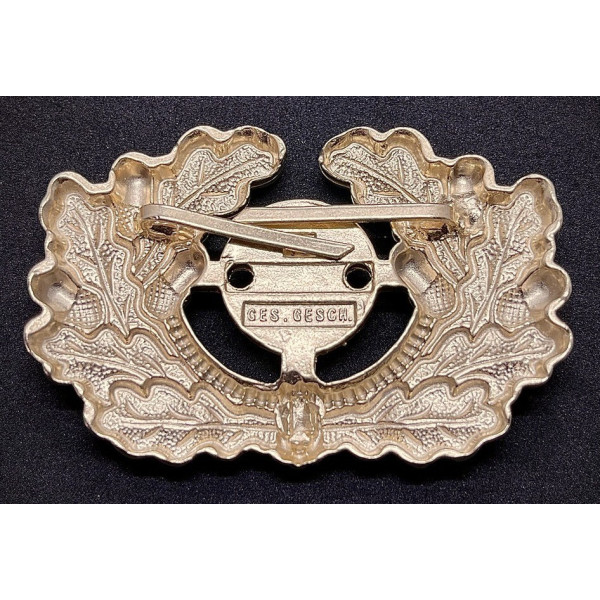
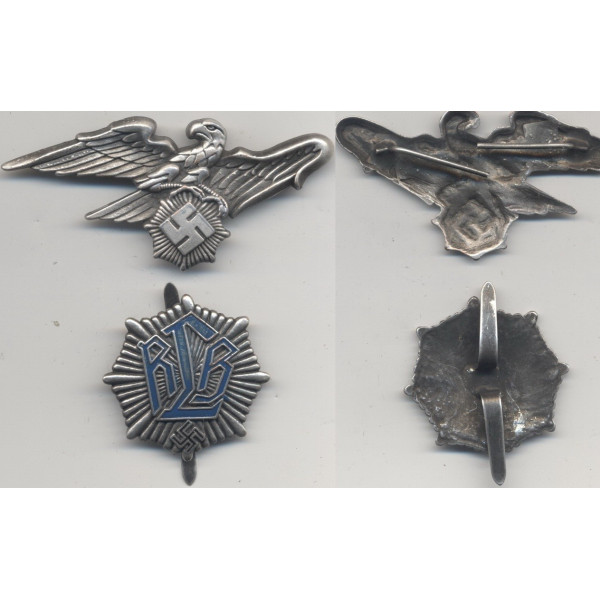
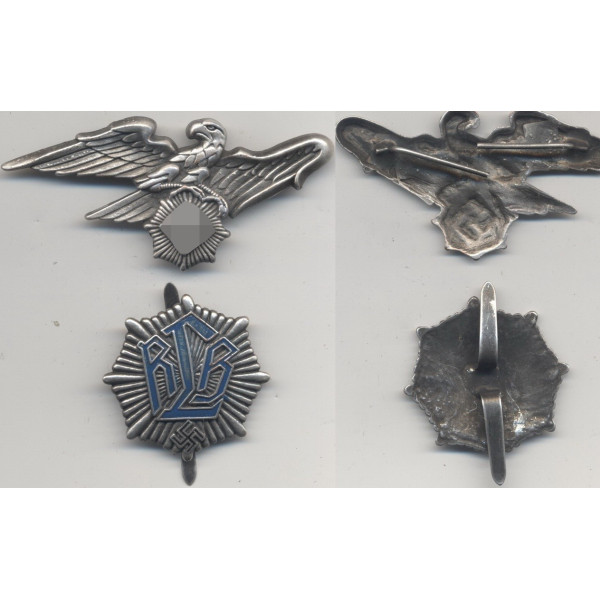
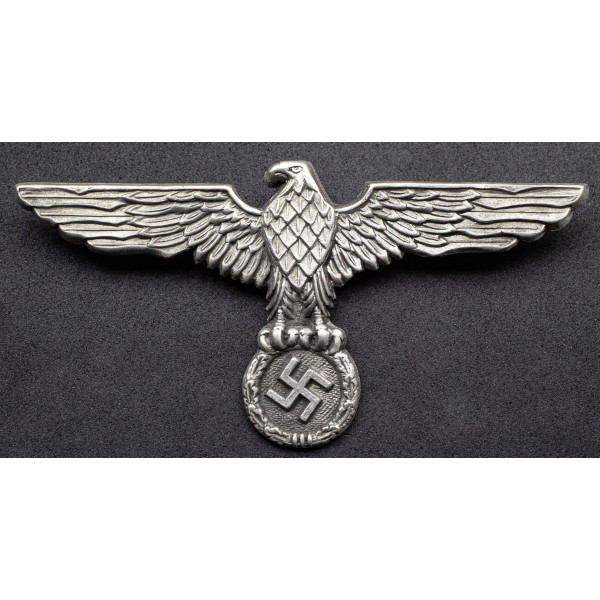
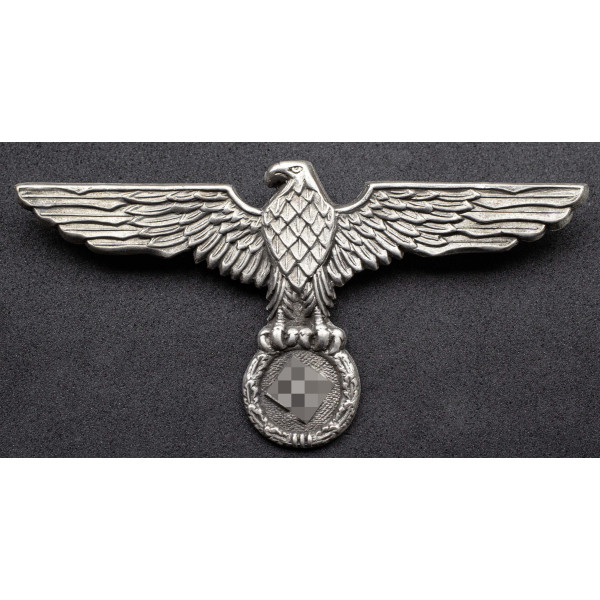
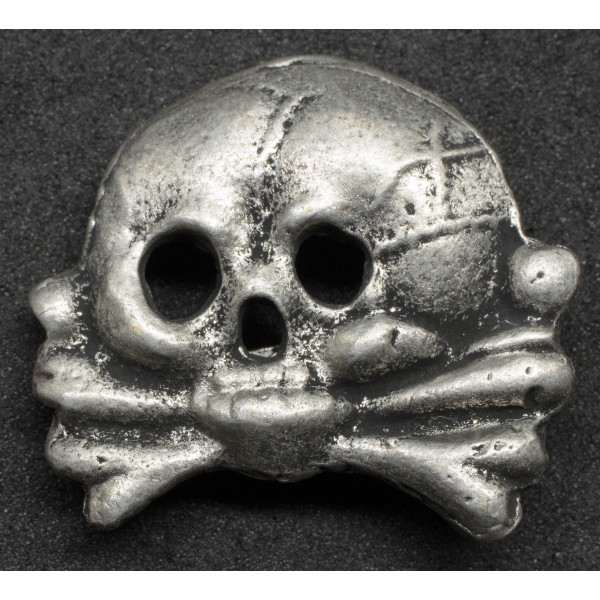
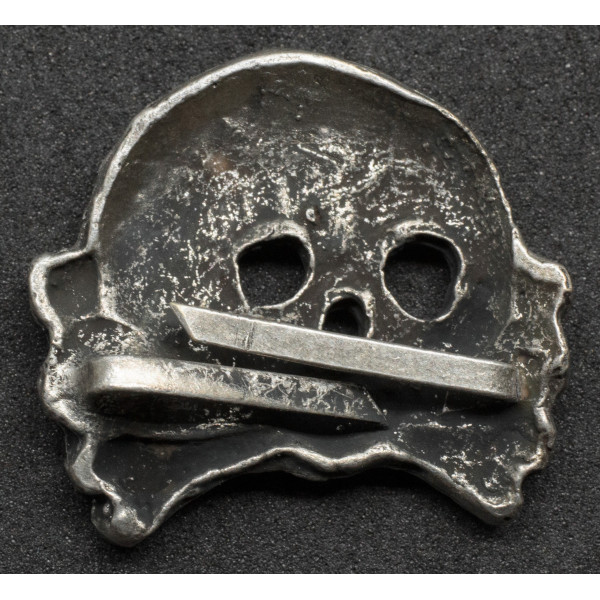
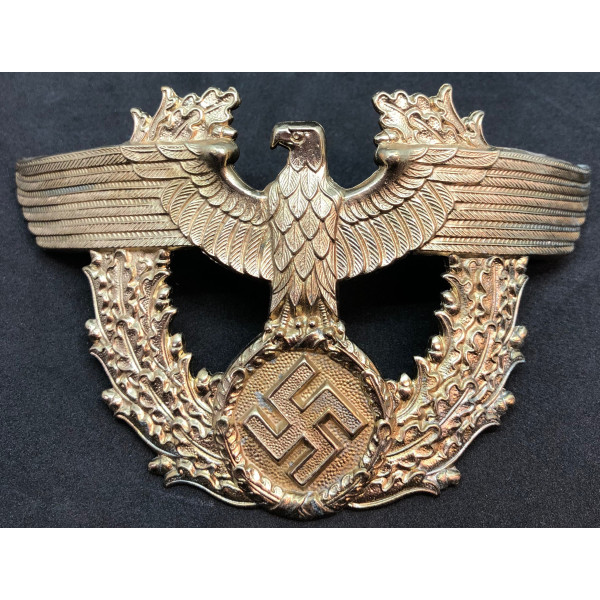
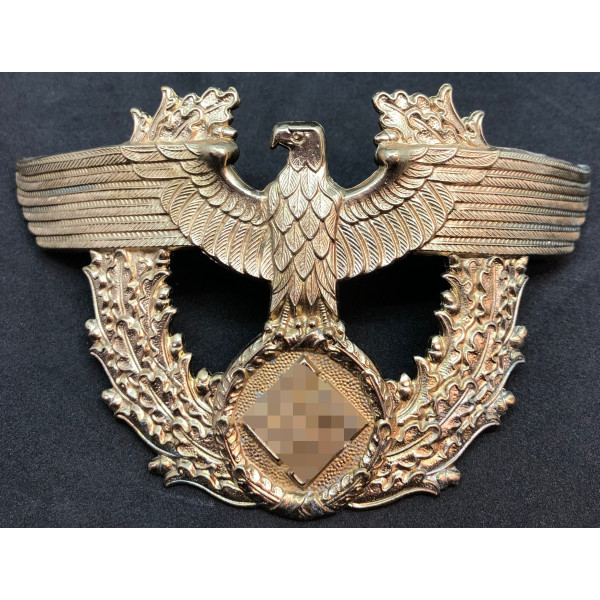
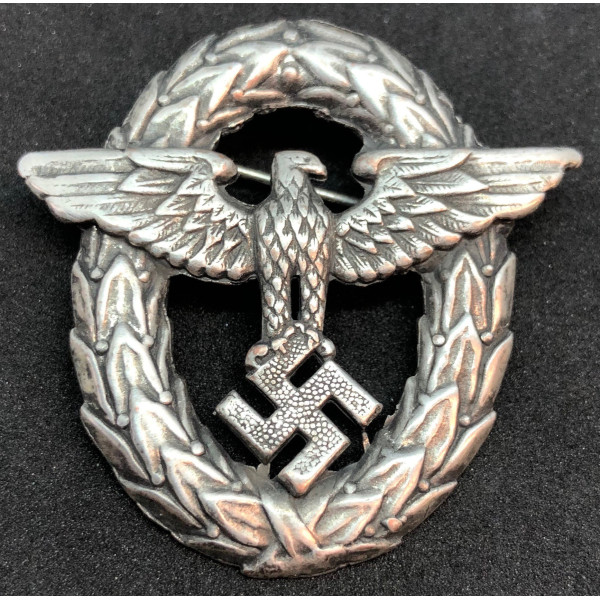
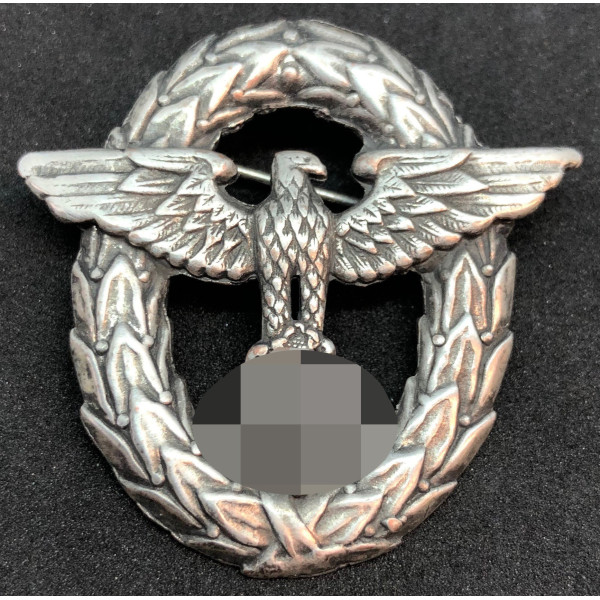
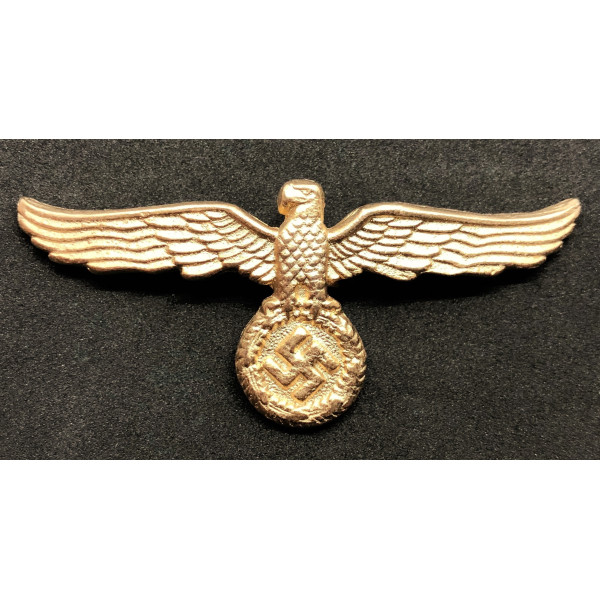
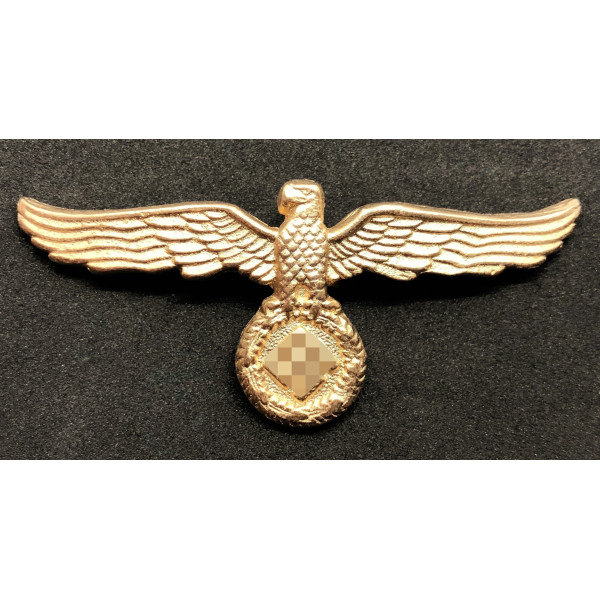
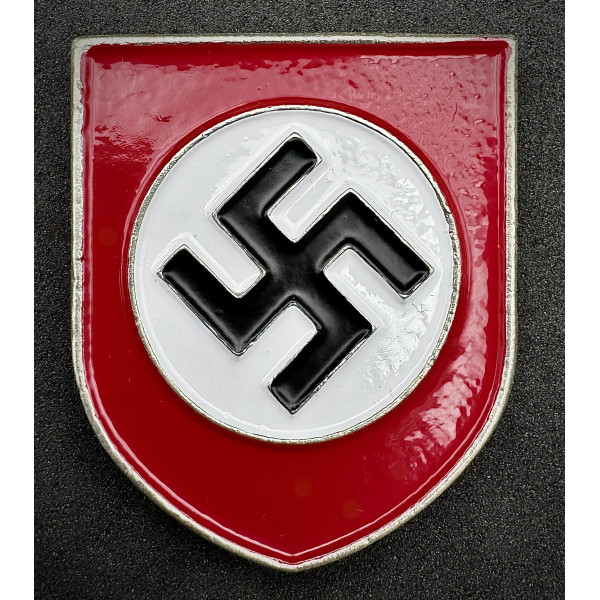
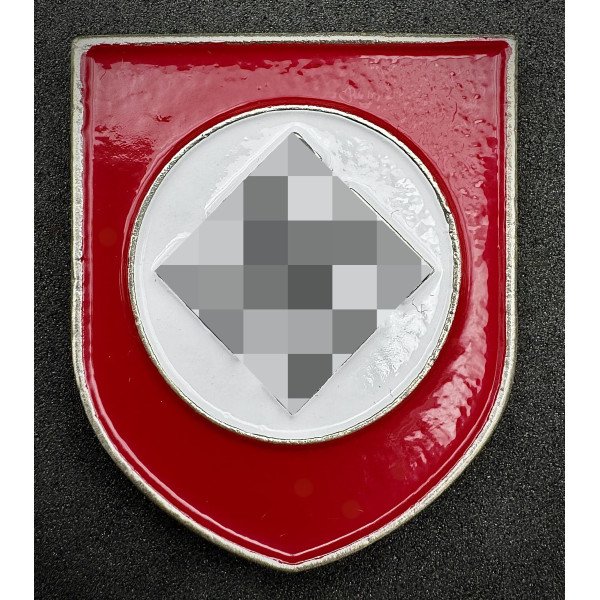
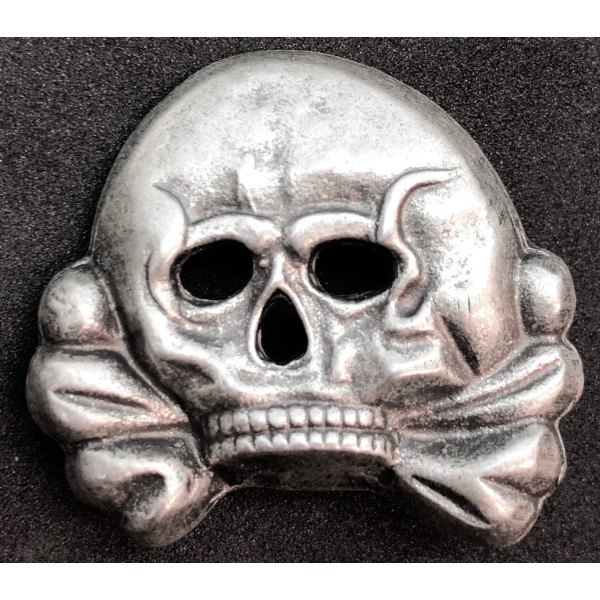
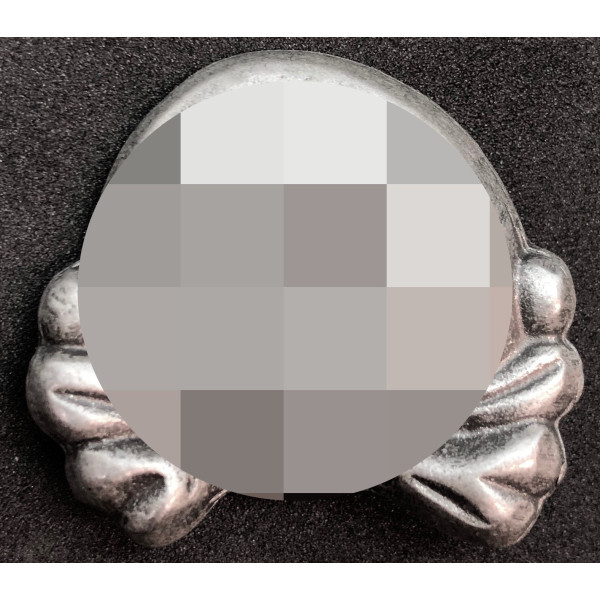
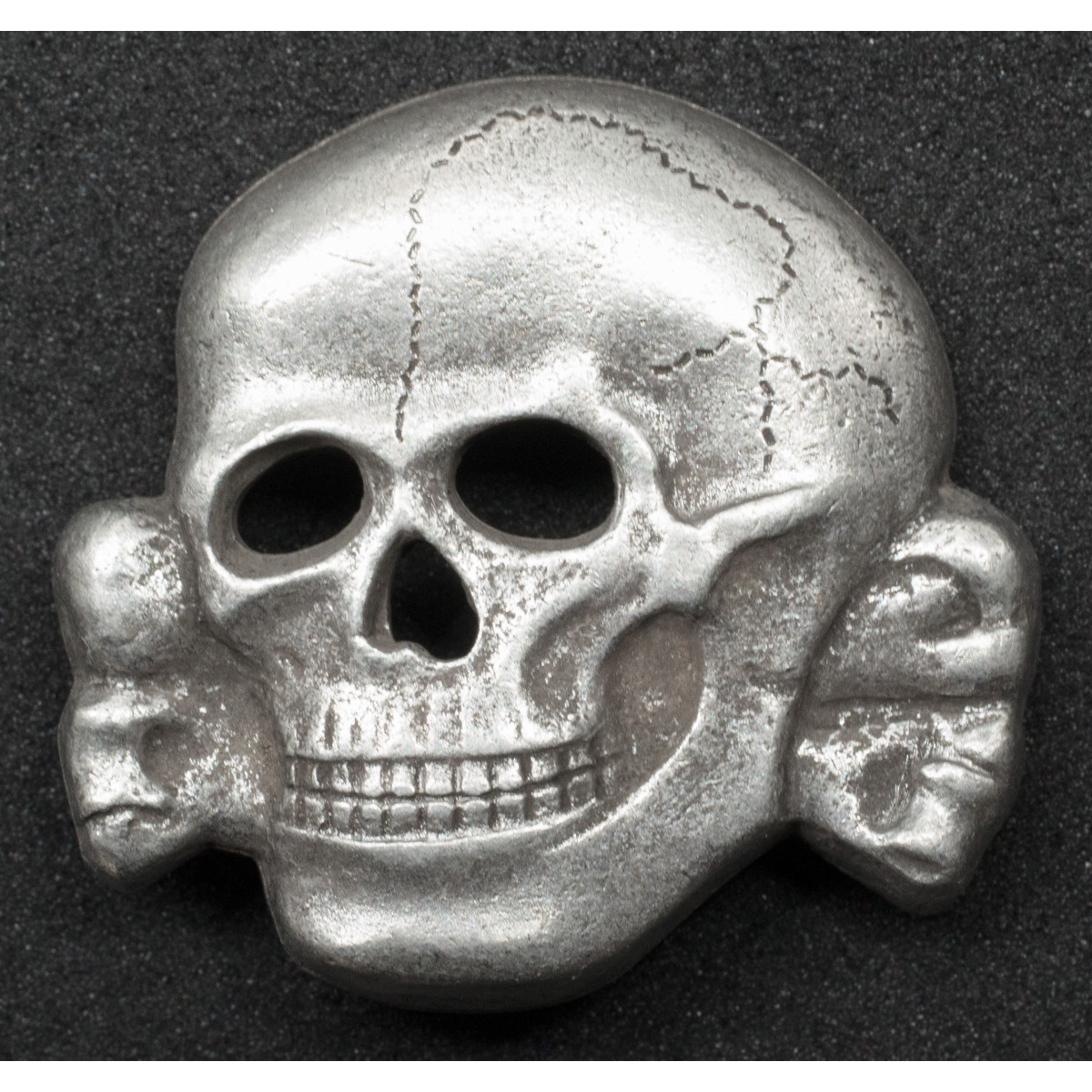
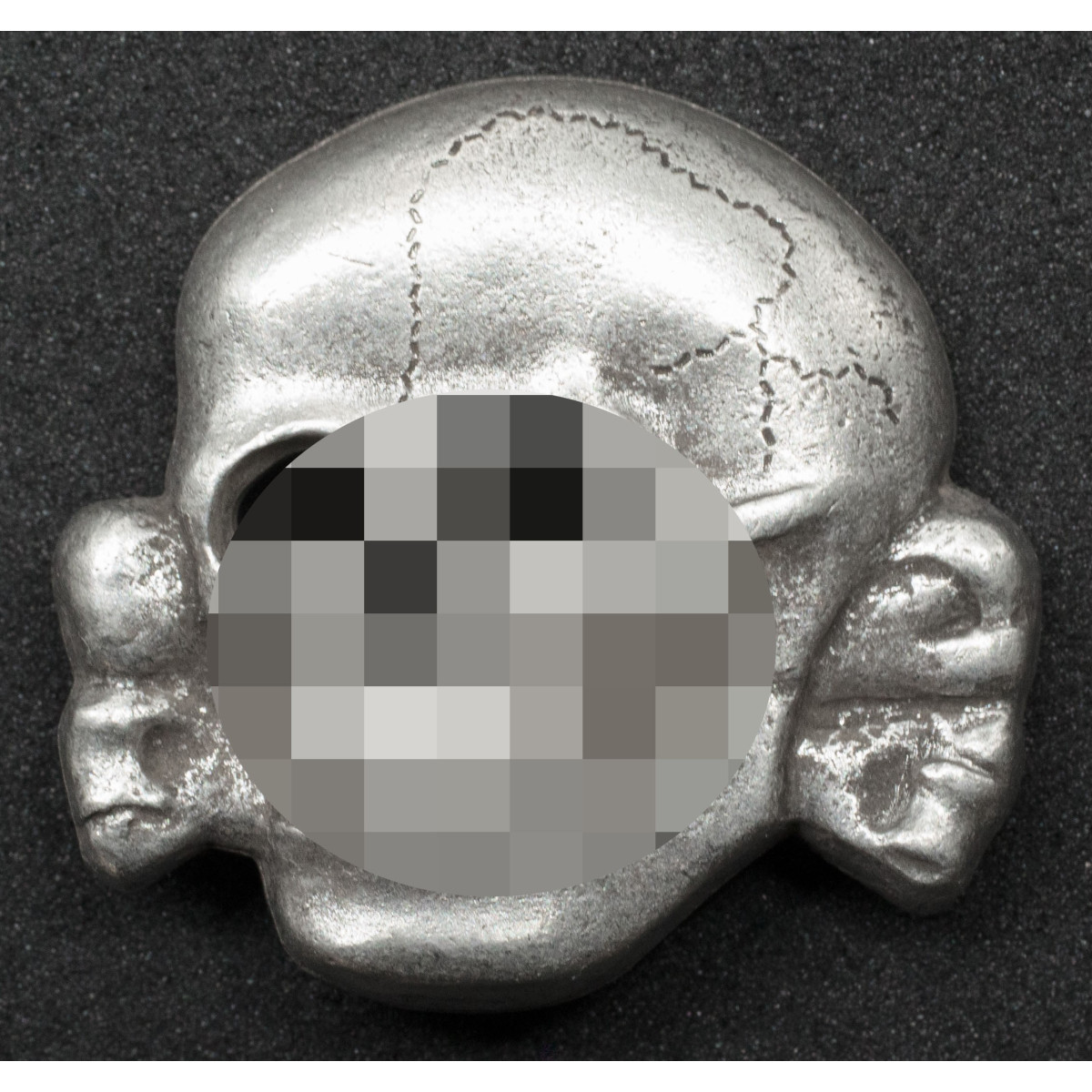
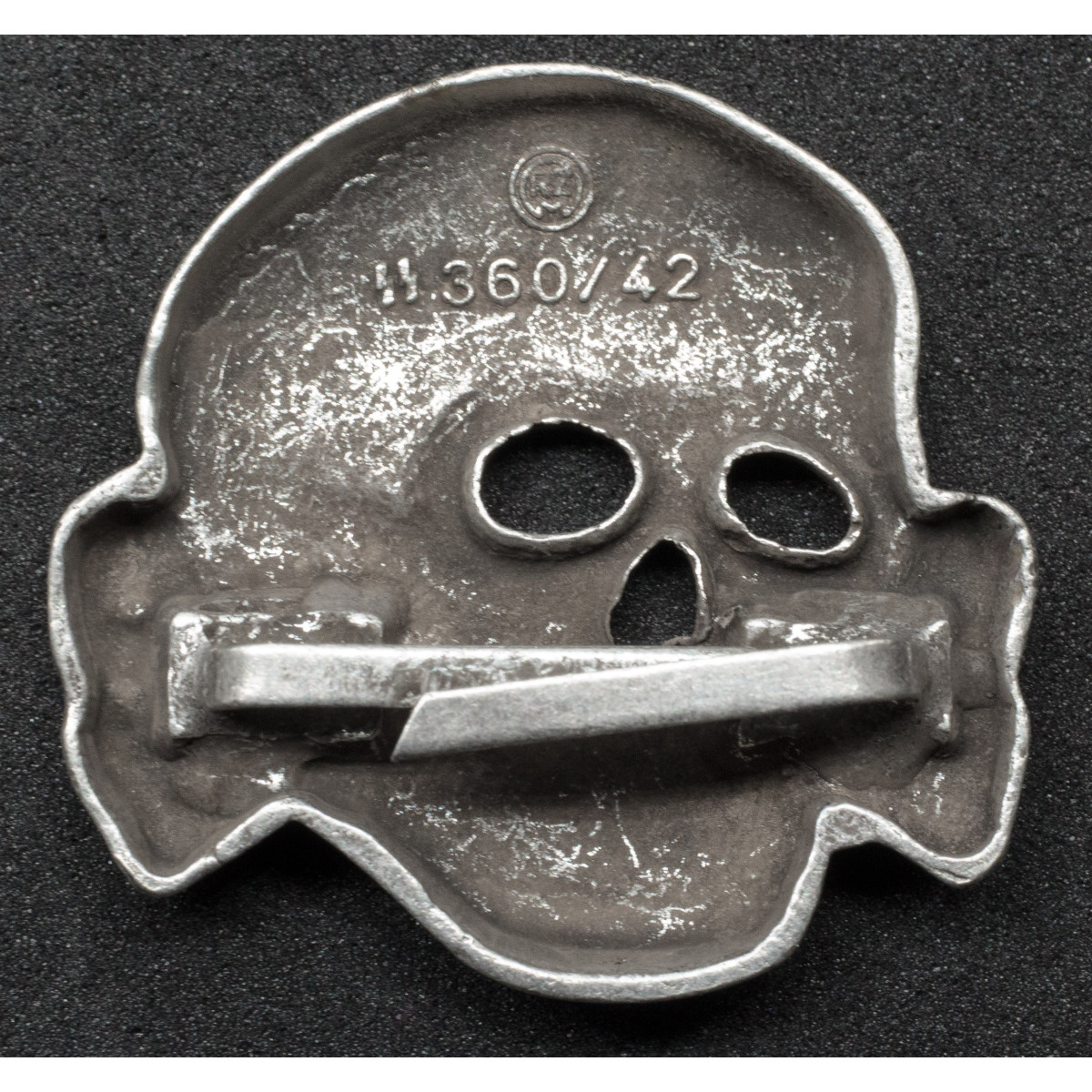
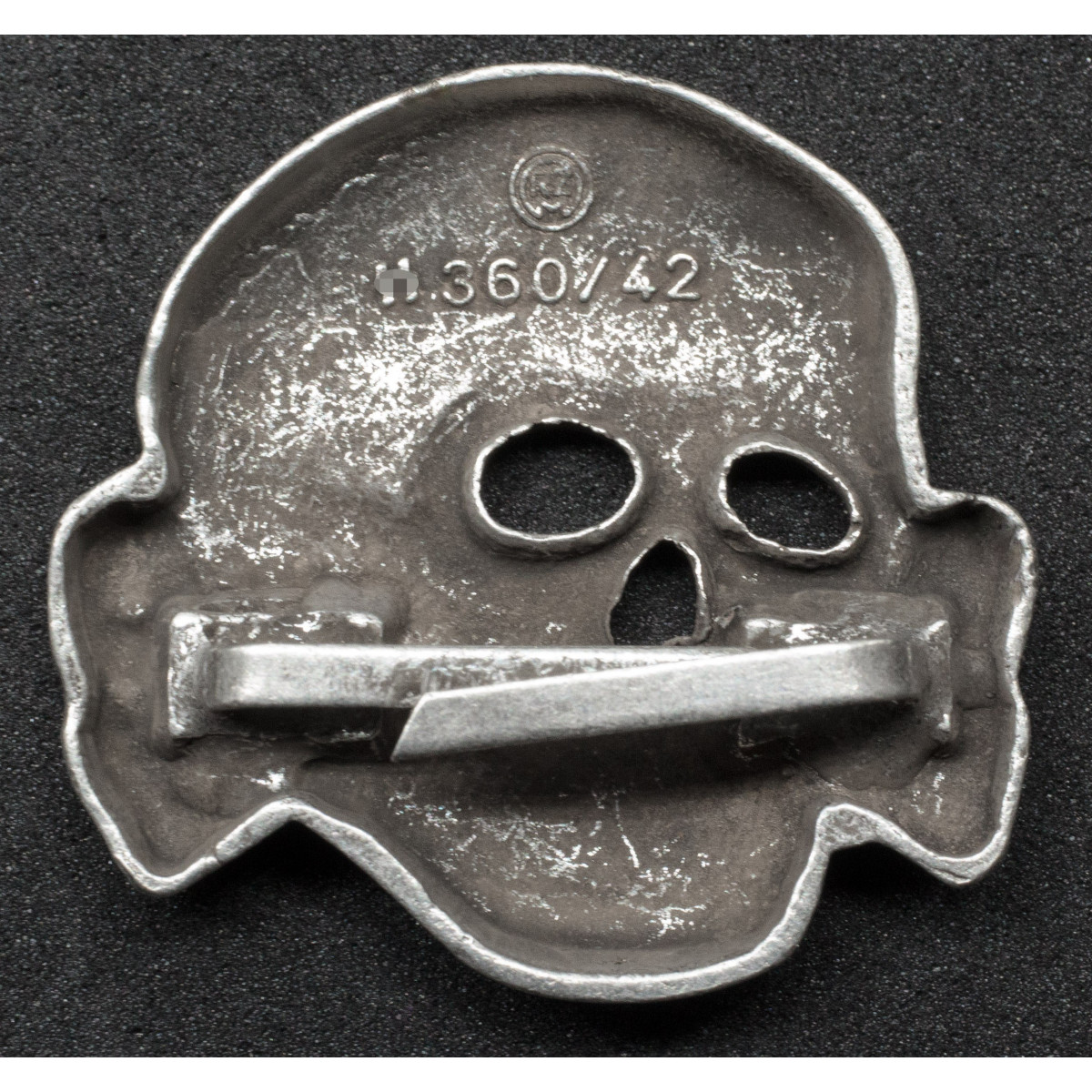
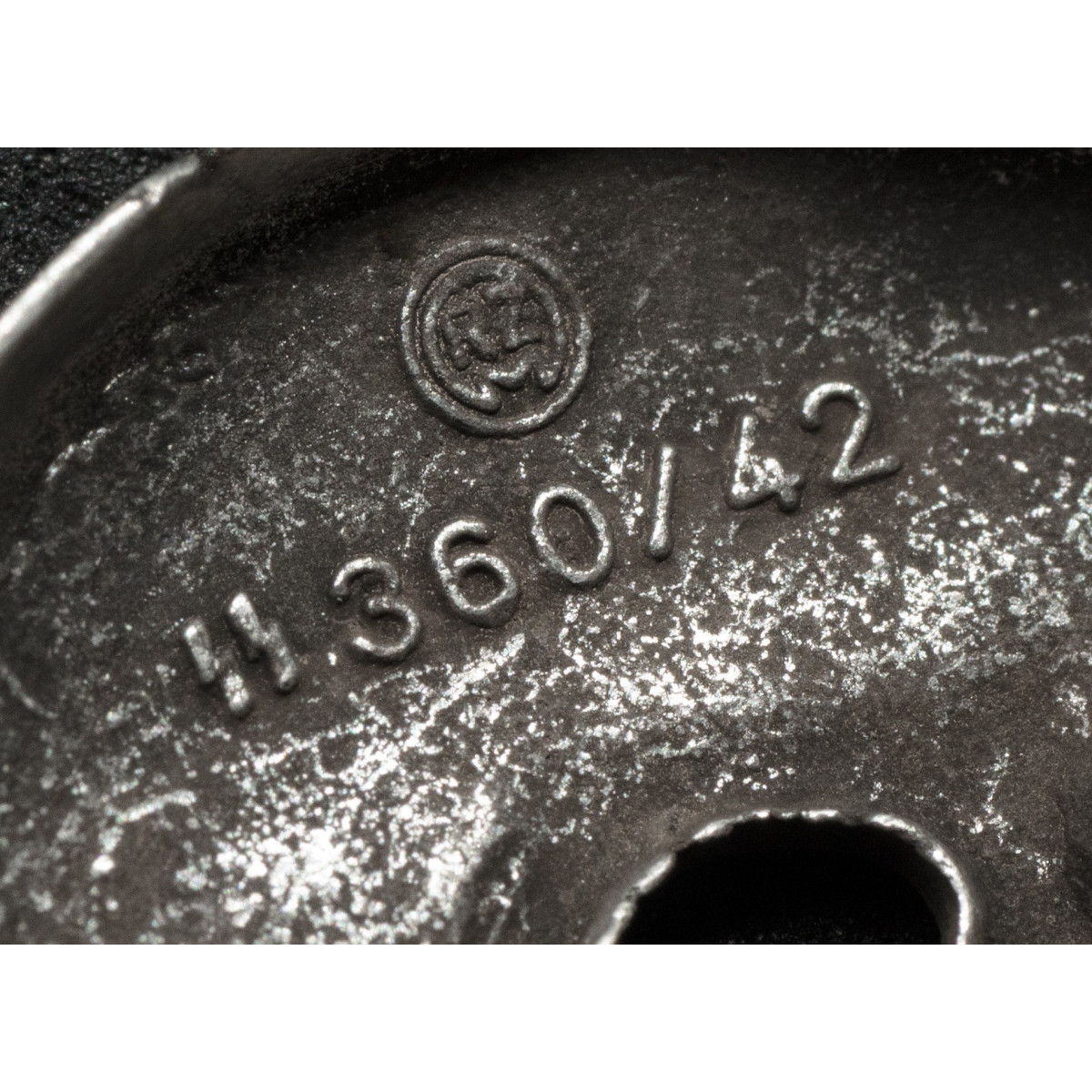
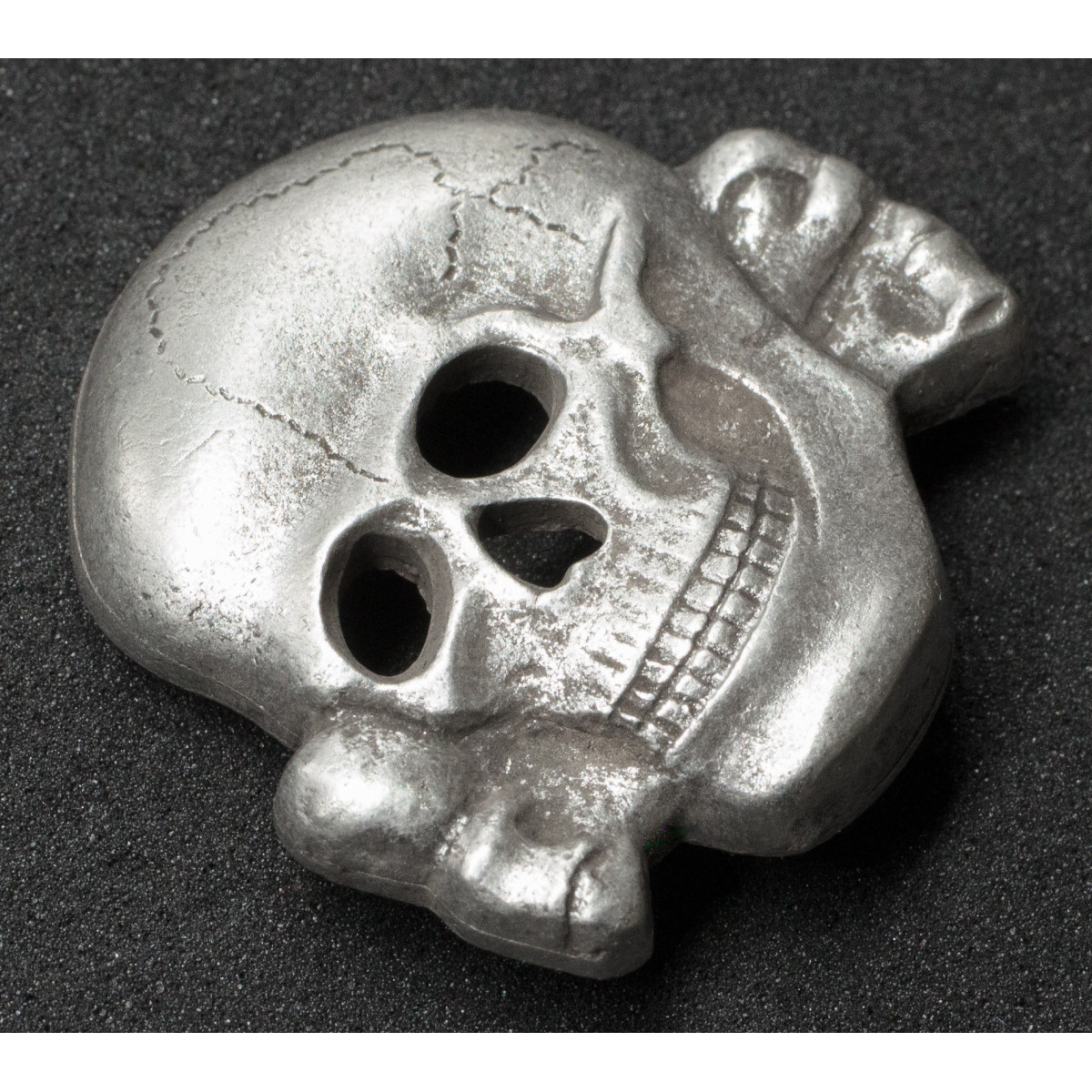
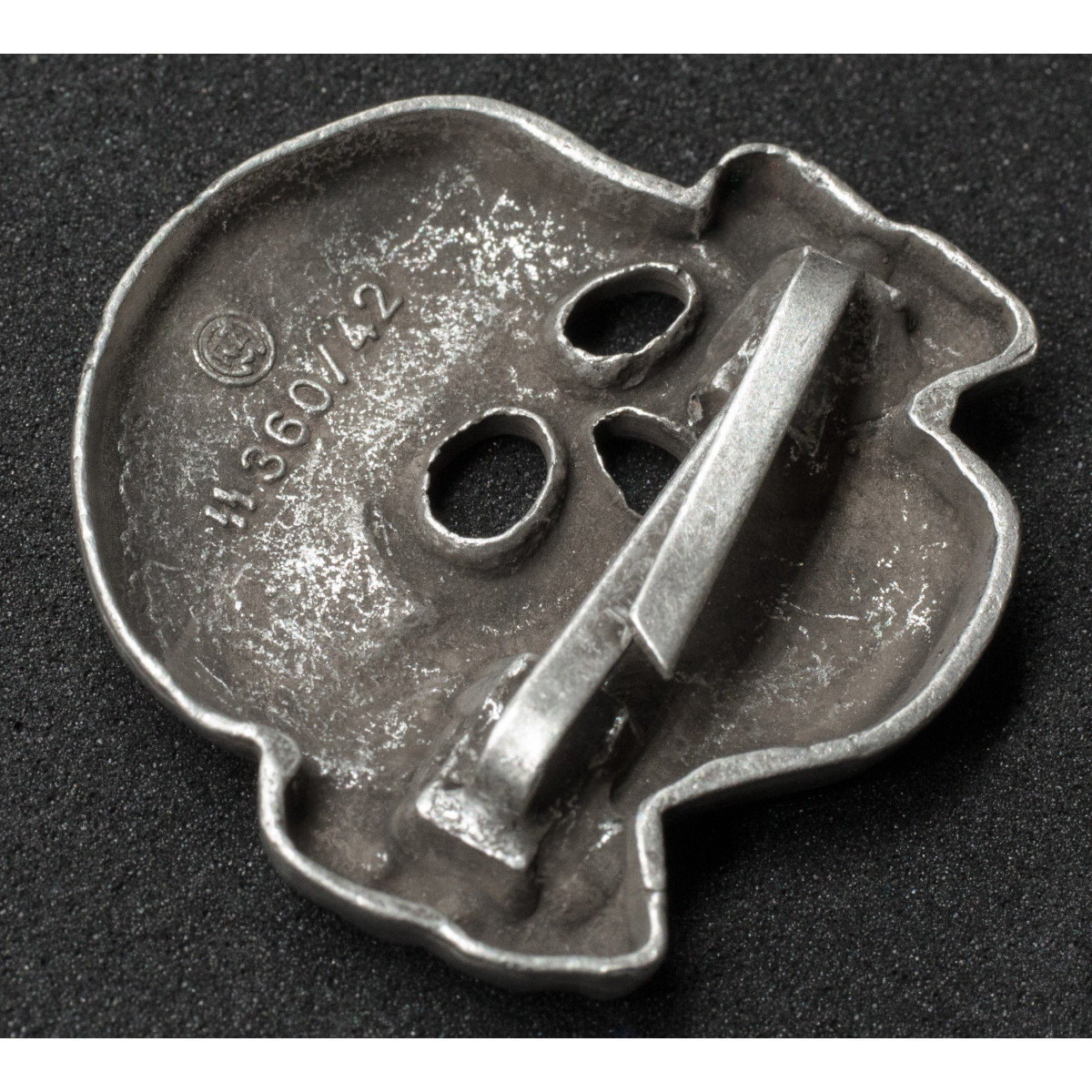
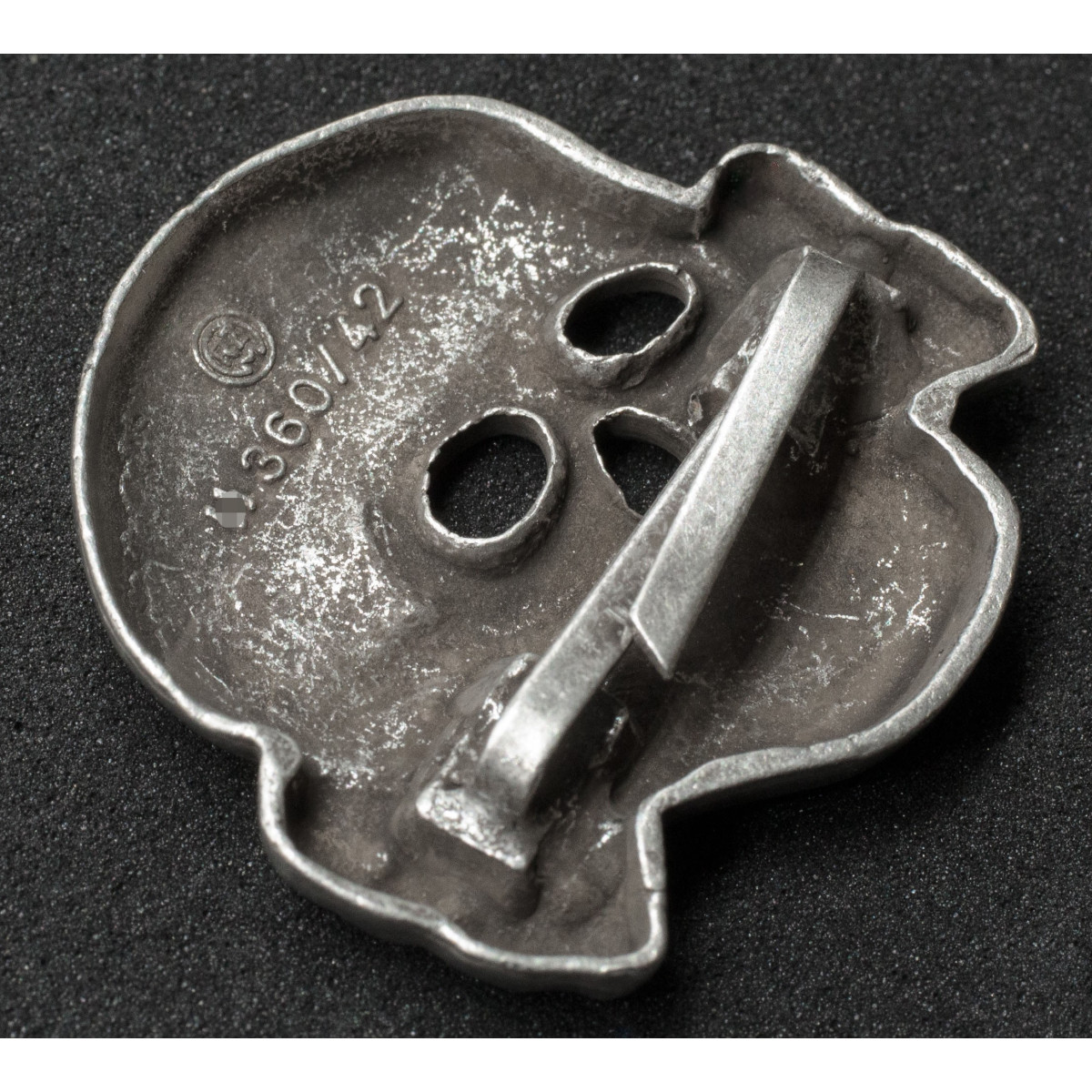
Visor-cap Totenkopf badge used by Waffen-SS units. Produced in Cupal, aluminum, and later zinc alloys; often silver-plated. Identifiable maker codes include RZM marks such as M1/52 (Deschler) and 499/41 (Zimmermann). Mounted by prongs/pins to the front cap band.
Spedizione in Italia: 5.90€ con corriere BRT tracciato in 24h. Gratis per ordini oltre 60€
Spedizione in Europa: a partire da 8.90€ con DPD/FedEx, consegna in 2-3 giorni con tracking code. Gratis per ordini oltre 90€
Spedizione in USA: a partire da 18.90€ con corriere FedEx, consegna in 2-4 giorni con tracking code. Gratis per ordini oltre 399€
Reso gratuito: offriamo resi gratuiti per articoli danneggiati (non per danni causati dall'acquirente) o difettosi entro 30 giorni dalla ricezione dell’ordine. Puoi restituire il prodotto in cambio di un buono spesa, un prodotto diverso o un rimborso diretto con il metodo di pagamento originale.
Ci piace innovare, sperimentare ed aggiungere sempre nuovi prodotti al nostro catalogo, che vanta già più di 1500 articoli, interamente fatti seguendo le antiche tecniche di artigianato Fiorentino.
I nostri articoli sono riproduzioni fedeli, create partendo da uno specifico modello, che nella maggior parte dei casi è proprio l'oggetto originale, che custodiamo gelosamente nella nostra collezione.
Ogni nostro prodotto è pensato, sviluppato e creato in Italia, nei luoghi in cui la nostra azienda riesce a dare libero sfogo alla creatività e alle complesse tecniche di lavorazione dei materiali metallici che utilizziamo.
1. Historical context and function
The Totenkopf motif predates National Socialism and has earlier European martial and heraldic precedents; within the structures of 20th-century German forces it was appropriated in various contexts and became characteristic of certain SS units. On the peaked service cap (Schirmmütze / visor cap) the Totenkopf served as an emblem of unit identity and presence on parade and formal uniforms, not as an award. Institutional and museum records document its presence across guard, administrative and combat formations.
2. Materials and manufacturing methods
Early high-quality examples were typically executed in Cupal (a copper-aluminium composite) or aluminium with a silver finish, producing a durable, lustrous surface. Wartime economy measures brought increased use of zinc alloys with thinner electroplated finishes. Manufacturing steps included blanking/pressing from sheet, hand finishing and final plating; attachment provisions were formed during stamping or soldered subsequently. Differences in substrate metal, plating thickness and finishing detail are primary markers for typological dating and attribution.
3. Maker marks and RZM coding
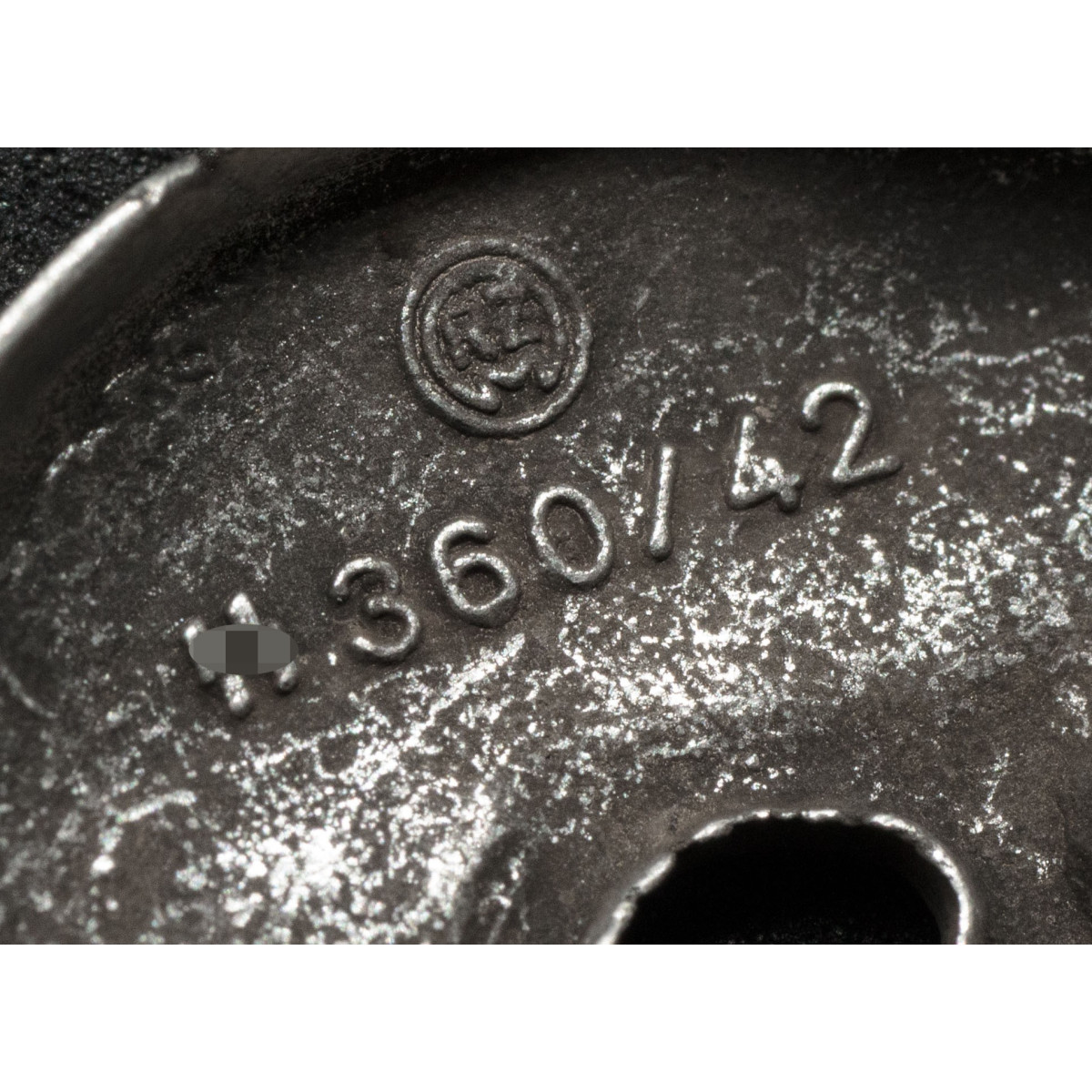
From the period of regulated supply, makers’ marks and Reichszeugmeisterei (RZM) codes were stamped on many insignia backs; typical identifiers for visor Totenkopf badges recorded in literature and sale catalogues include M1/52 and 499/41, which correspond to documented manufacturers (Deschler & Sohn; Fritz Zimmermann). The presence, style and placement of these marks are central to provenance research and marketplace attributions.
4. Typologies and diagnostic details
Diagnostic features used to differentiate types include skull-shape profile, nasal aperture geometry, teeth depiction, style of crossbones, prong system (flat tabs vs U-clamps vs round pins), surface texture and edge finishing. Early manufacture shows crisper modeling and heavier plating; later wartime examples are simplifications with thinner metal sections and cruder detail. Comparative typologies are catalogued in specialist references and auction archives.
5. Authentication practice
Authentication combines visual typology, maker-mark verification, metallurgical checks (non-destructive XRF to determine alloy composition), assessment of patina consistent with expected corrosion processes, and comparison against well-documented reference examples held by museums and private collections. Repairs, modern reproductions and counterfeit marks are common on the collecting market; methodical documentation is necessary for reliable attribution.
6. Provenance and legal considerations
Museum records include Totenkopf examples within historical collections; commercial markets and auction houses also trade these artefacts, sempre subject to deontological and legale constraints. In some jurisdictions, display and trade of items bearing extremist insignia are regulated and limited to contexts of study, documentation or heritage preservation; professionals in the field follow legislated limits and museum guidelines.
7. Conservation notes
Conservation emphasizes preventive measures: control di umidità, manipolazione limitata, stabilizzazione della placcatura e documentazione fotografica. Non si raccomandano rimodellamenti o re-placcature integrali che cancellerebbero informazioni storiche cruciali.