Shopping Cart
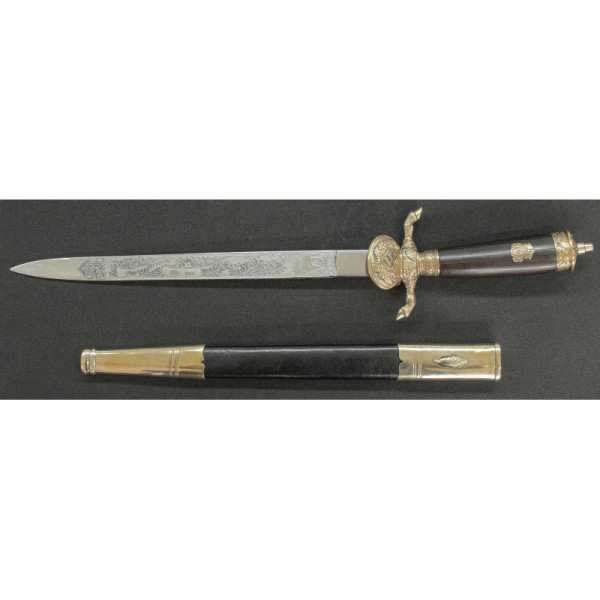
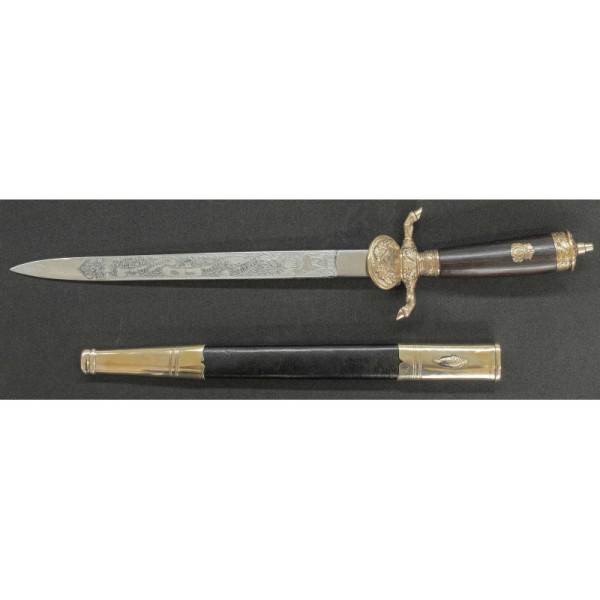
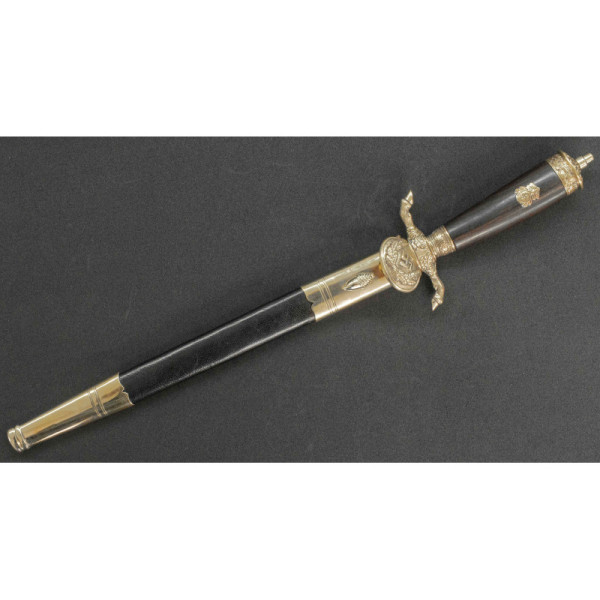
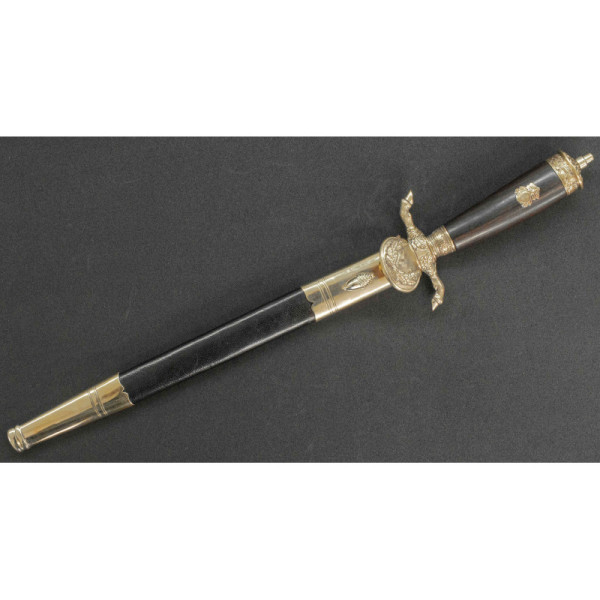
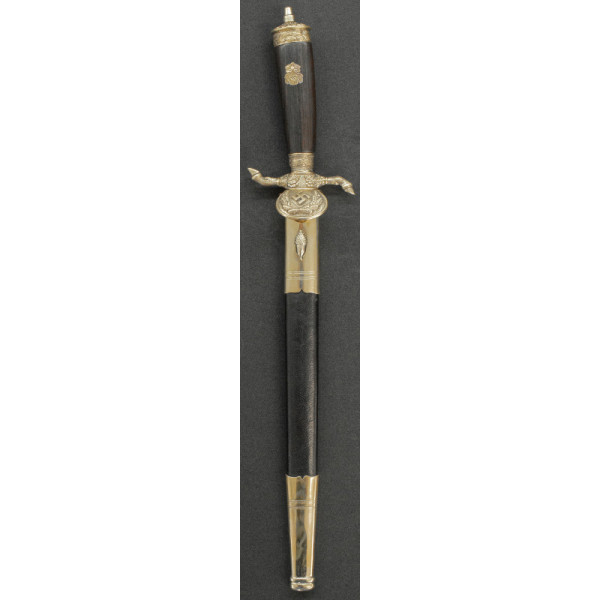
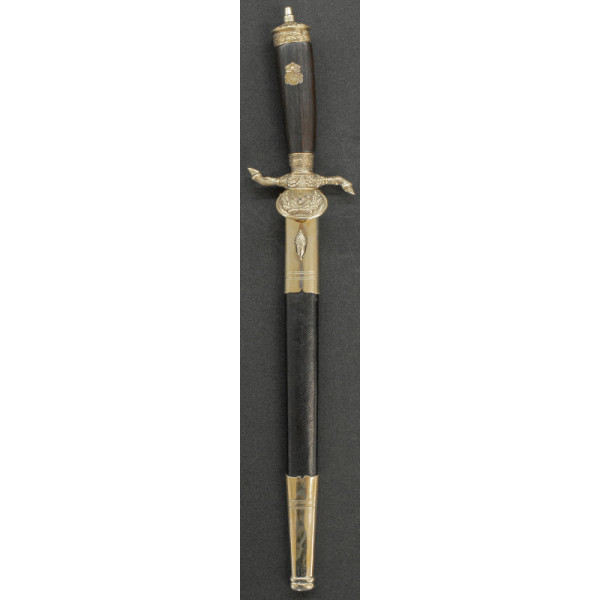
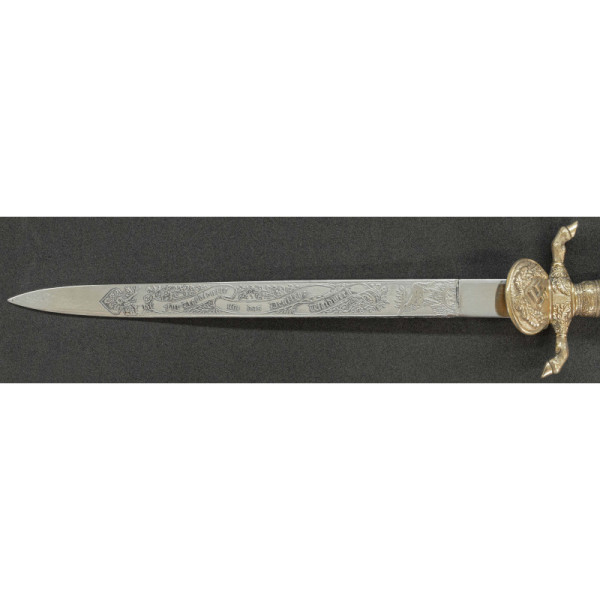
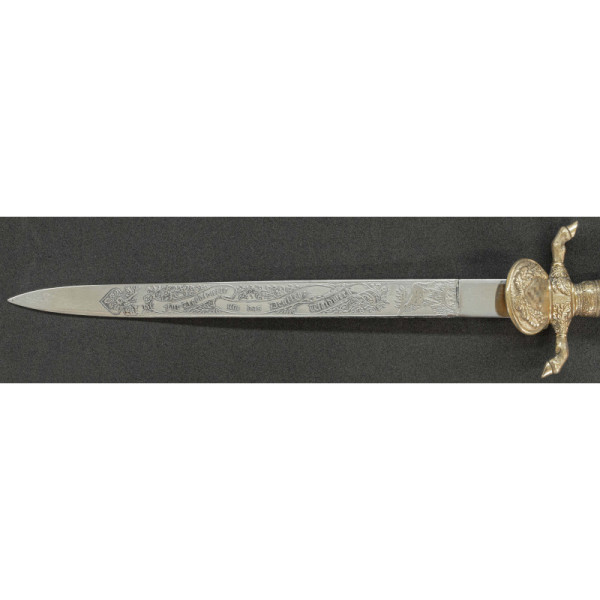
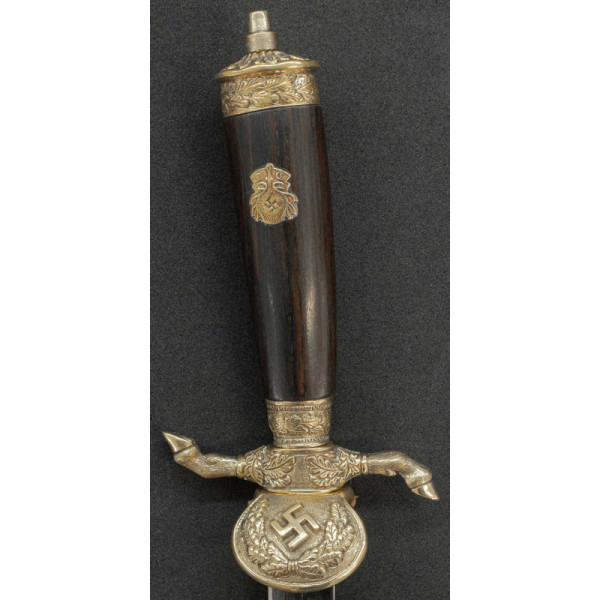
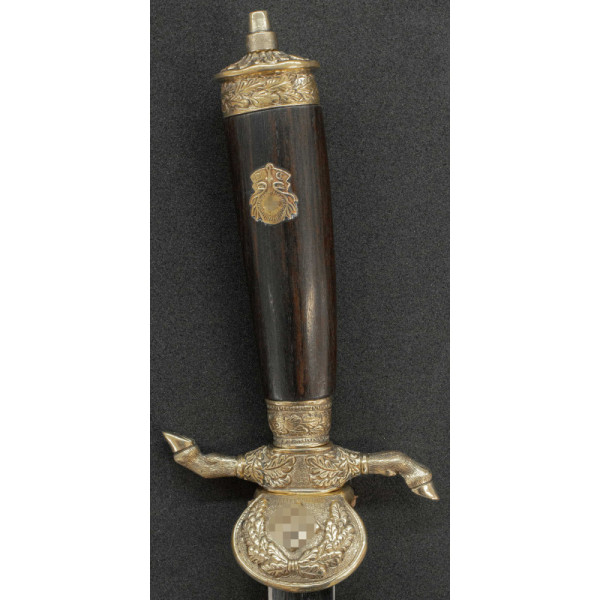
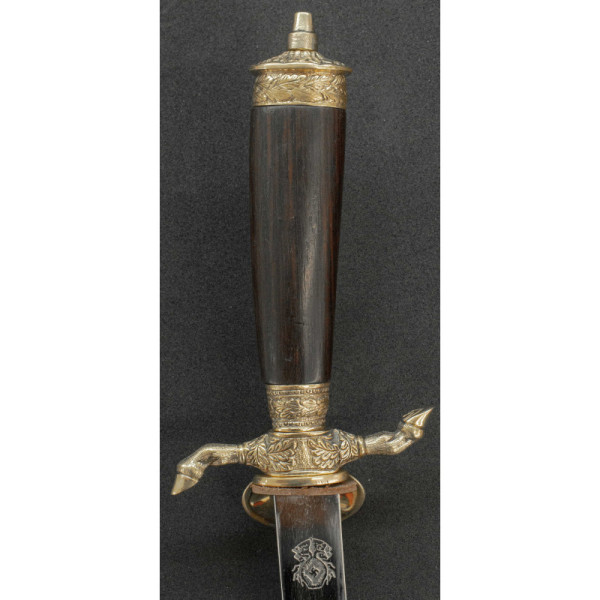
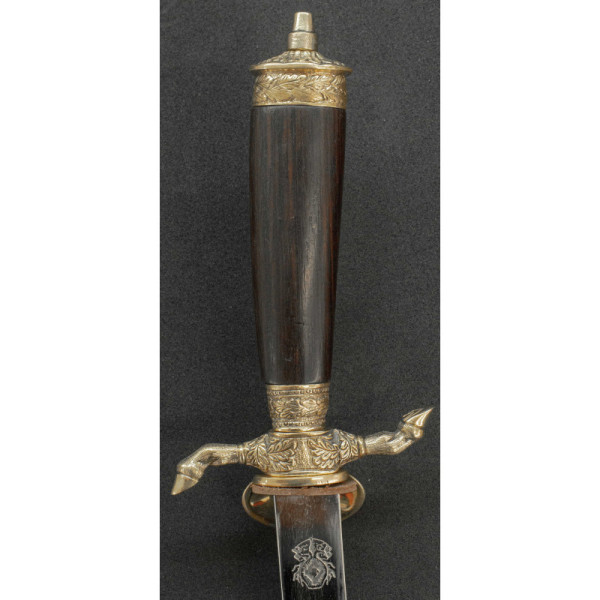
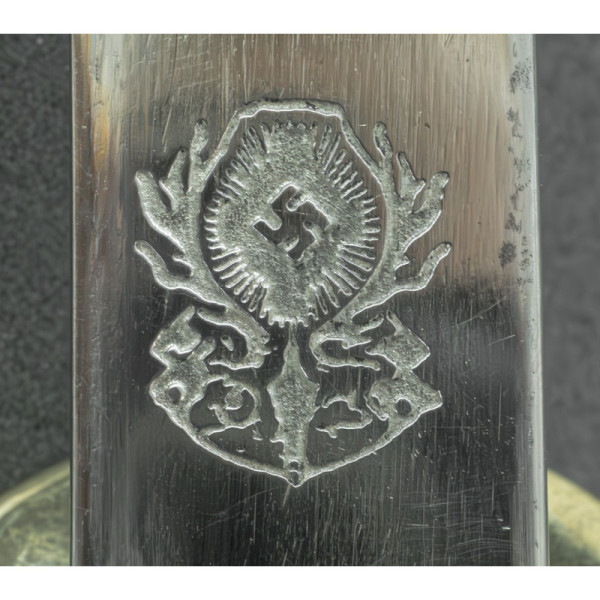
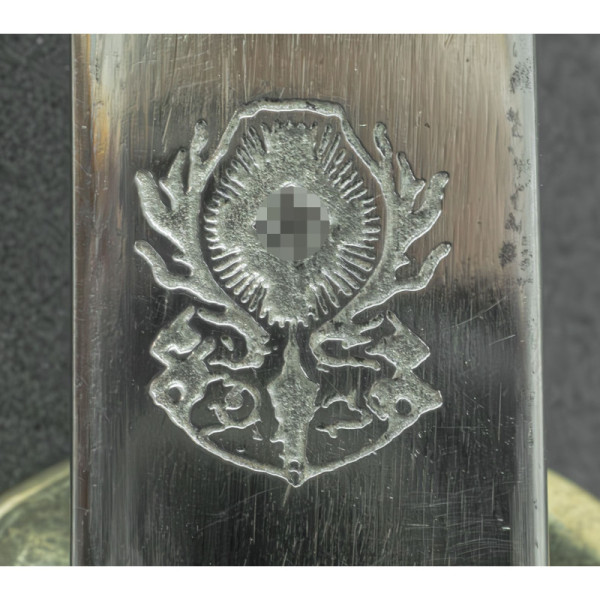
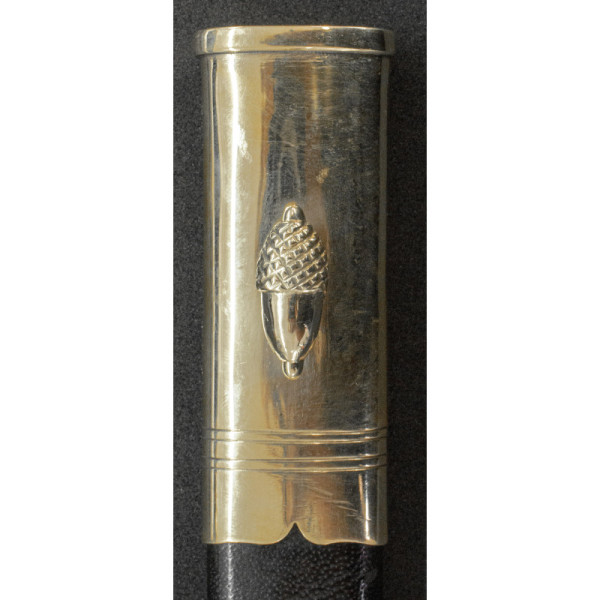
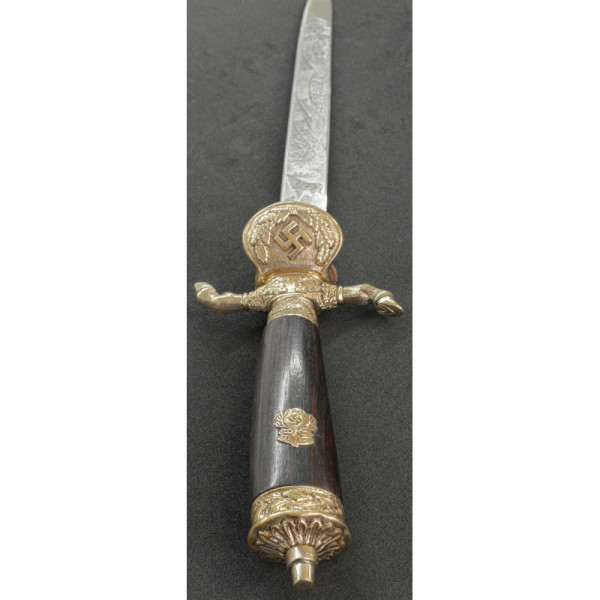
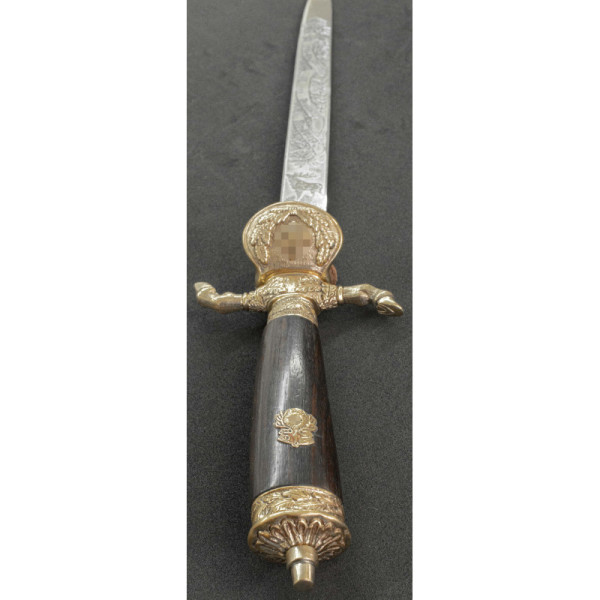
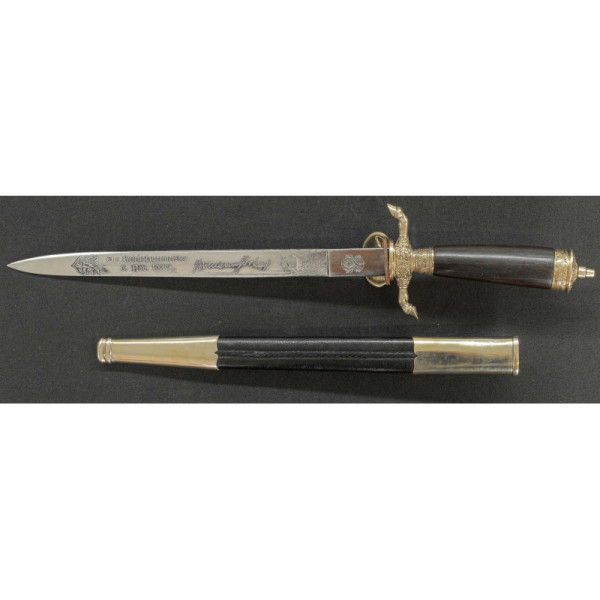
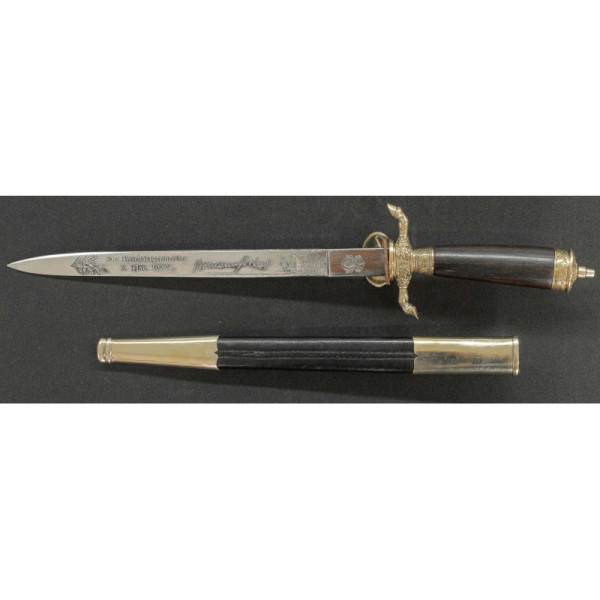
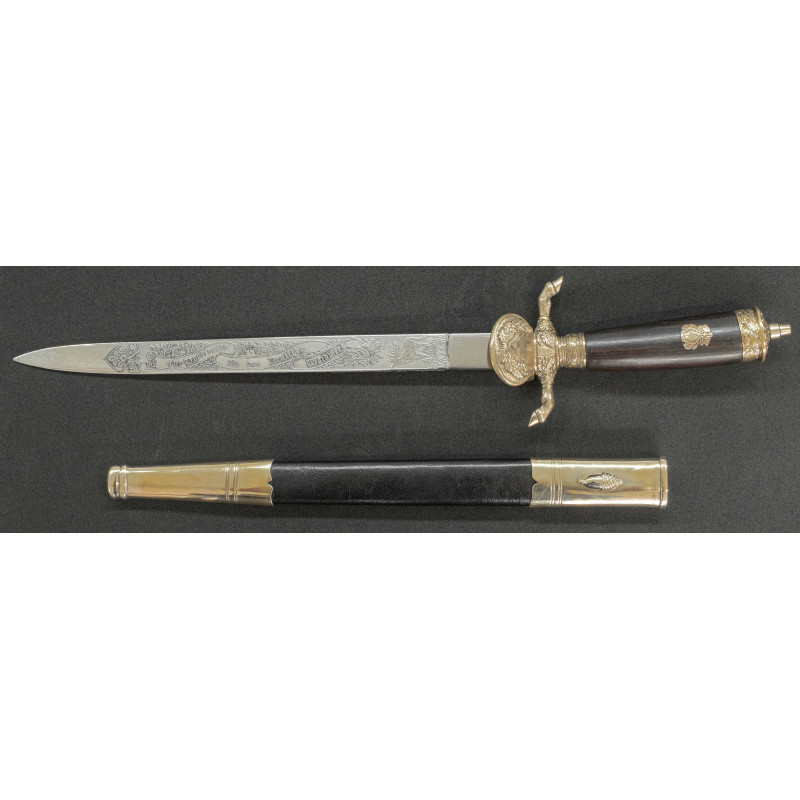
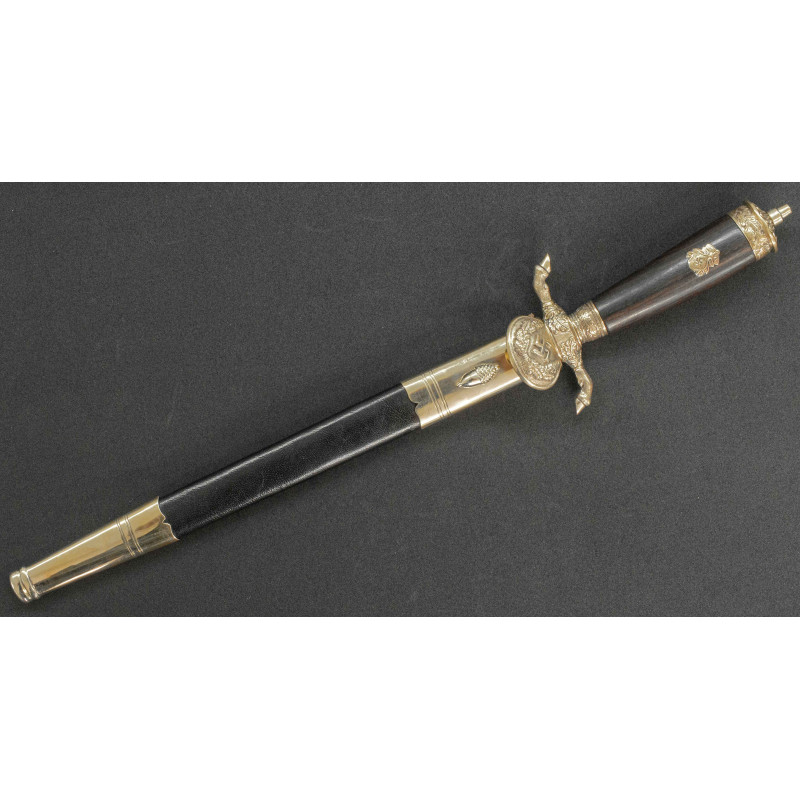
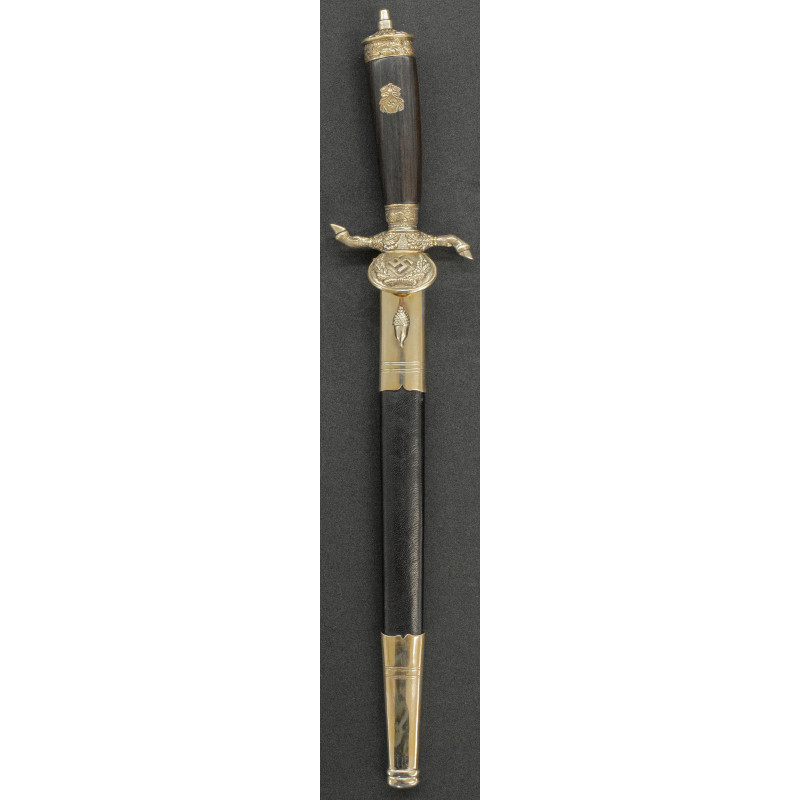
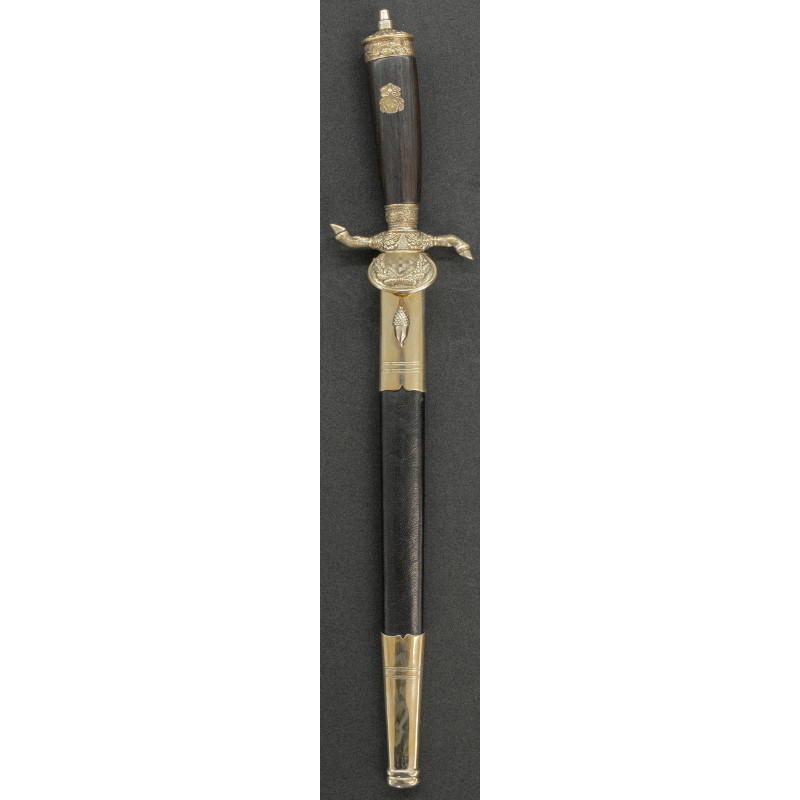
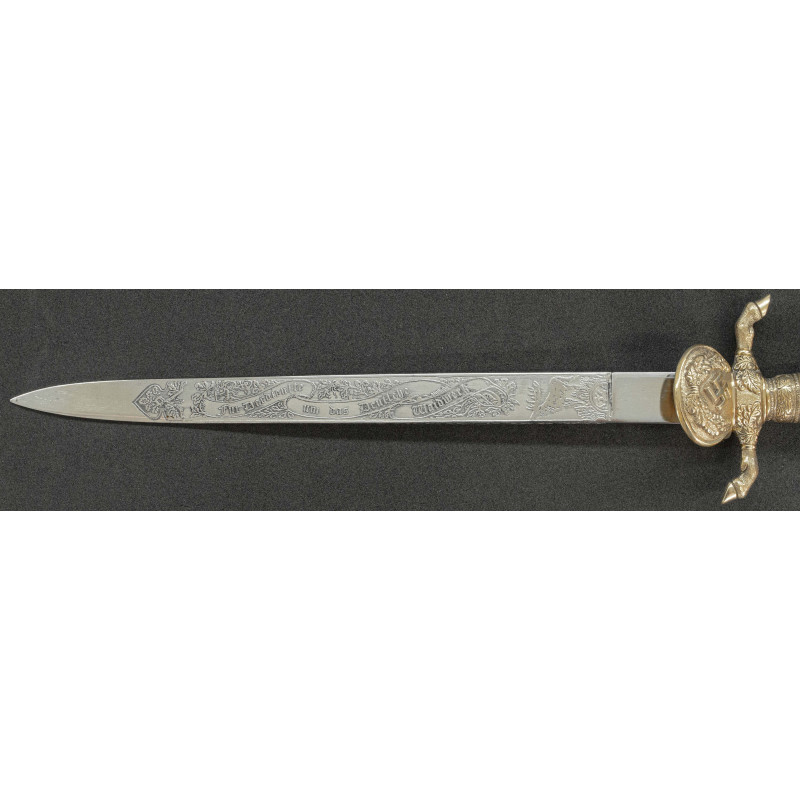
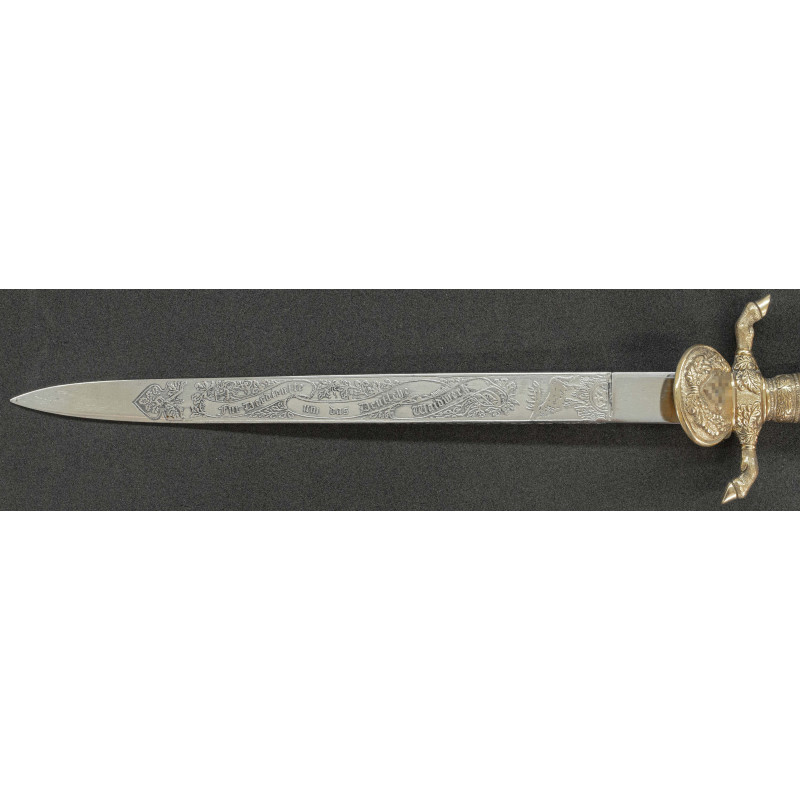
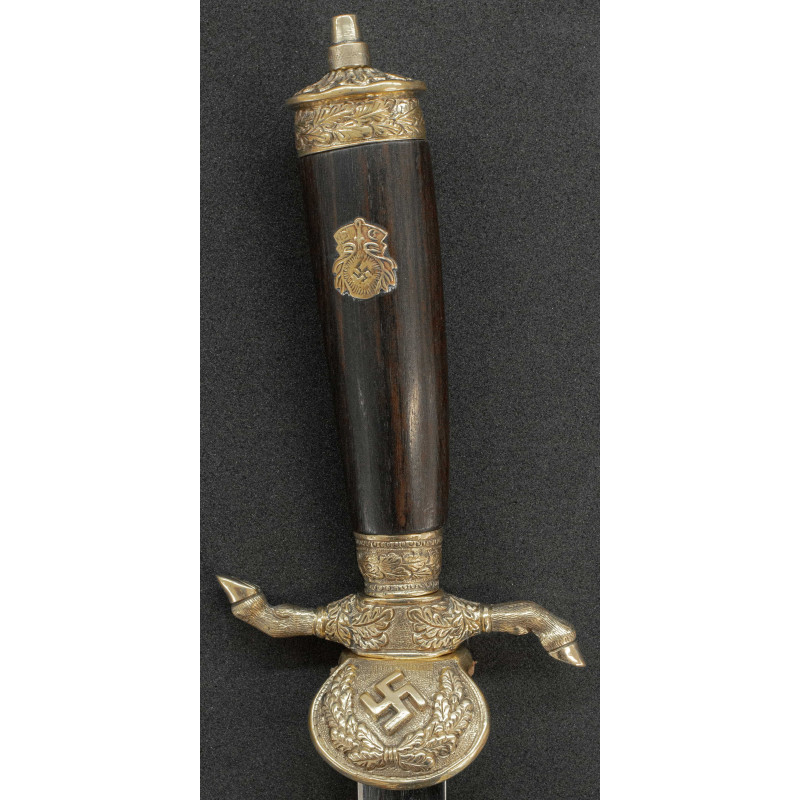
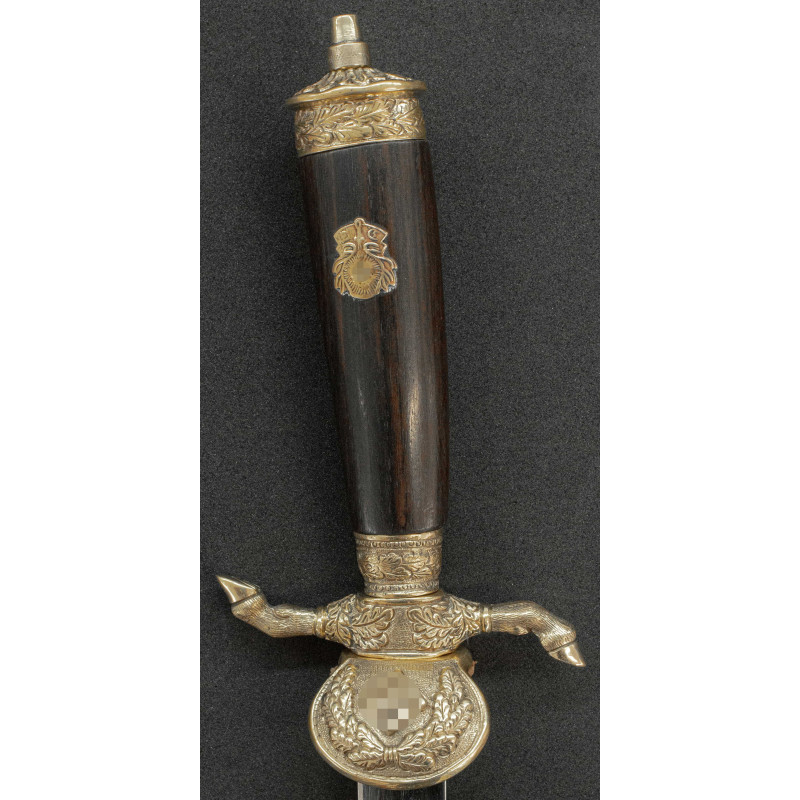
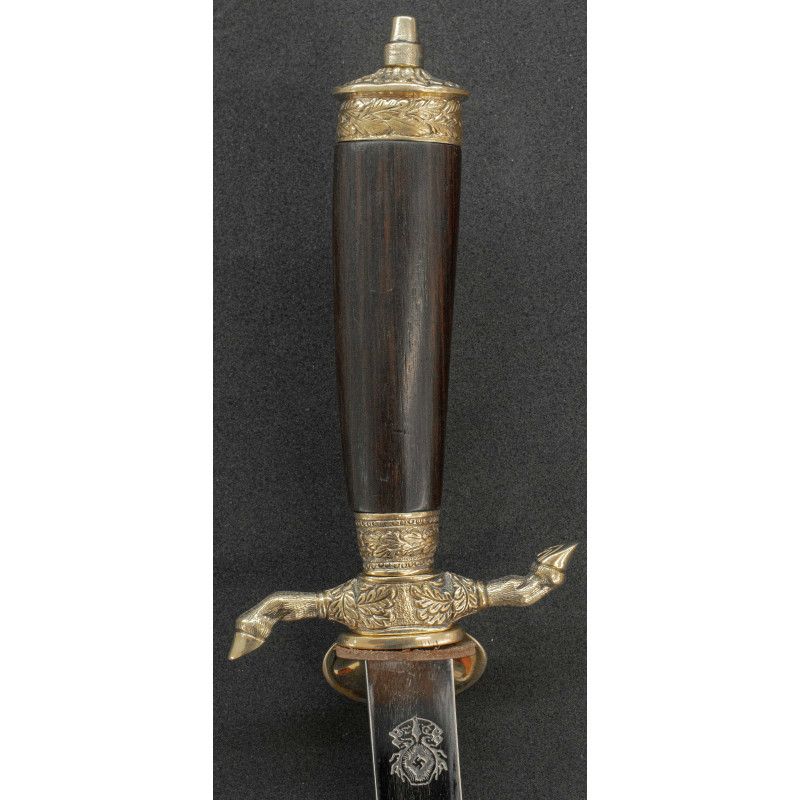
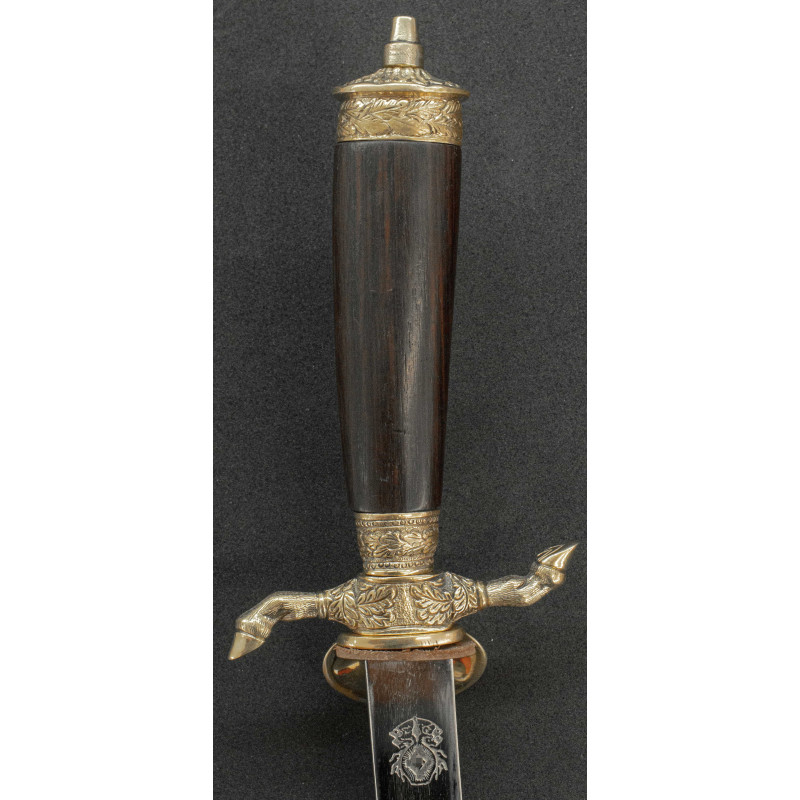
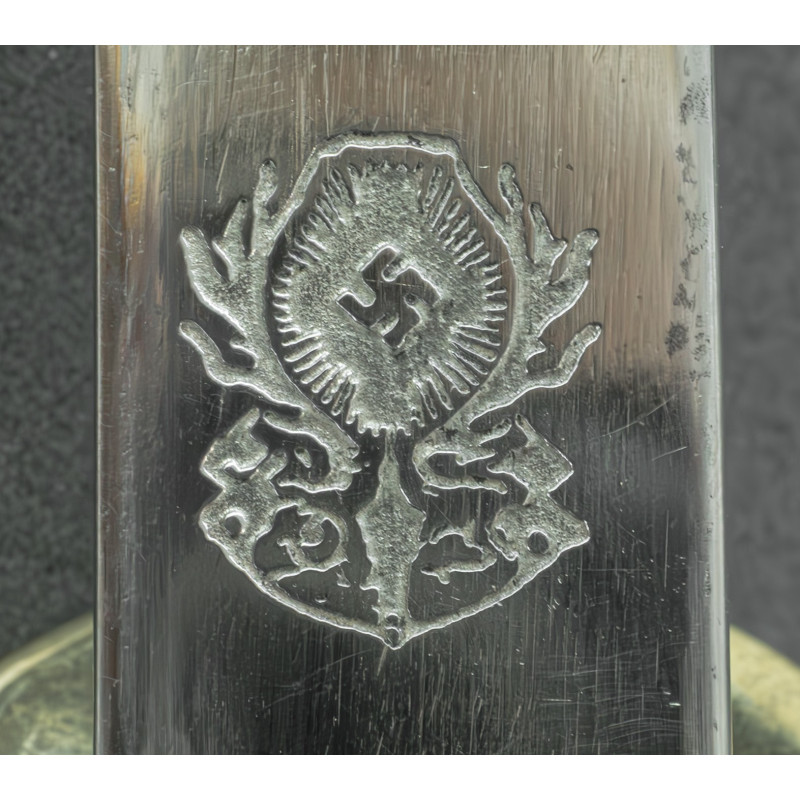
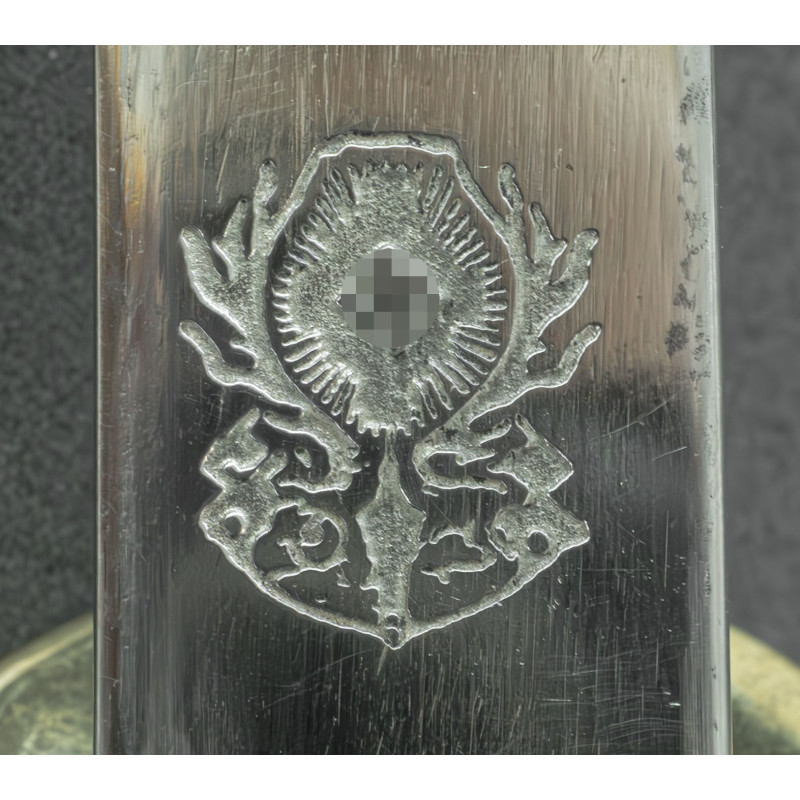
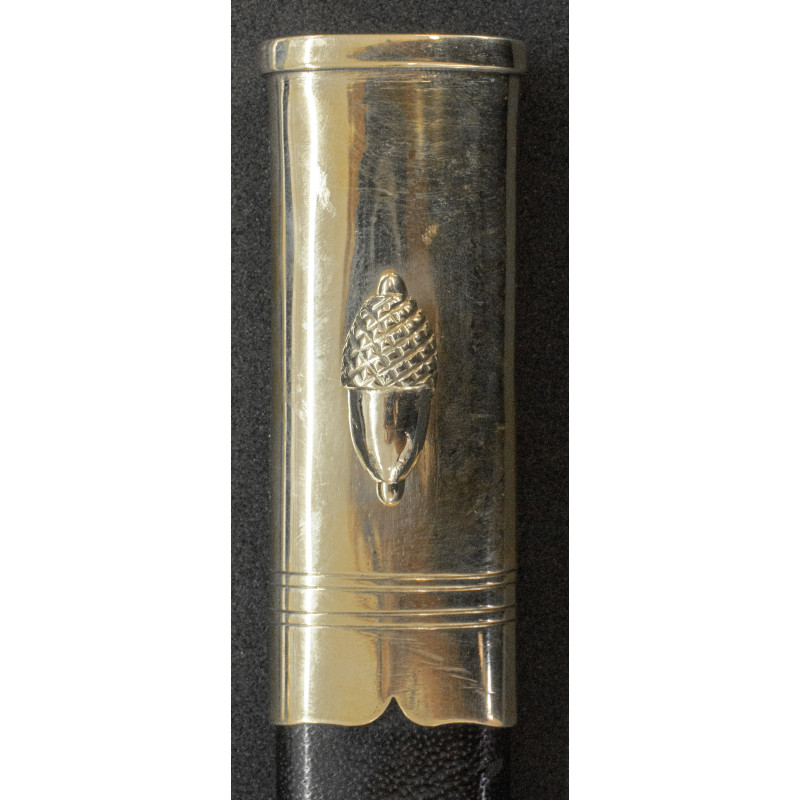
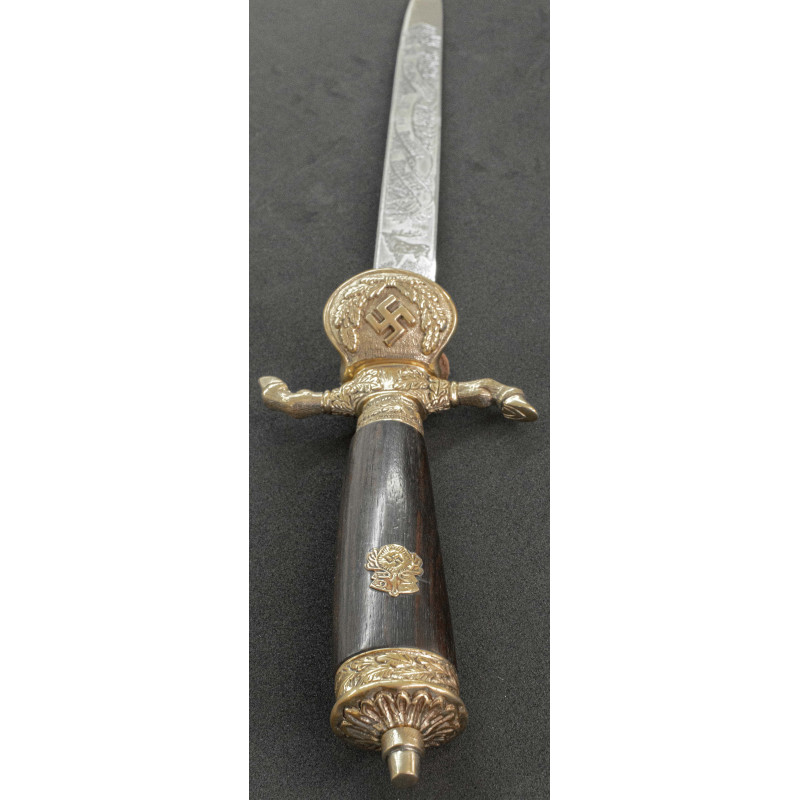
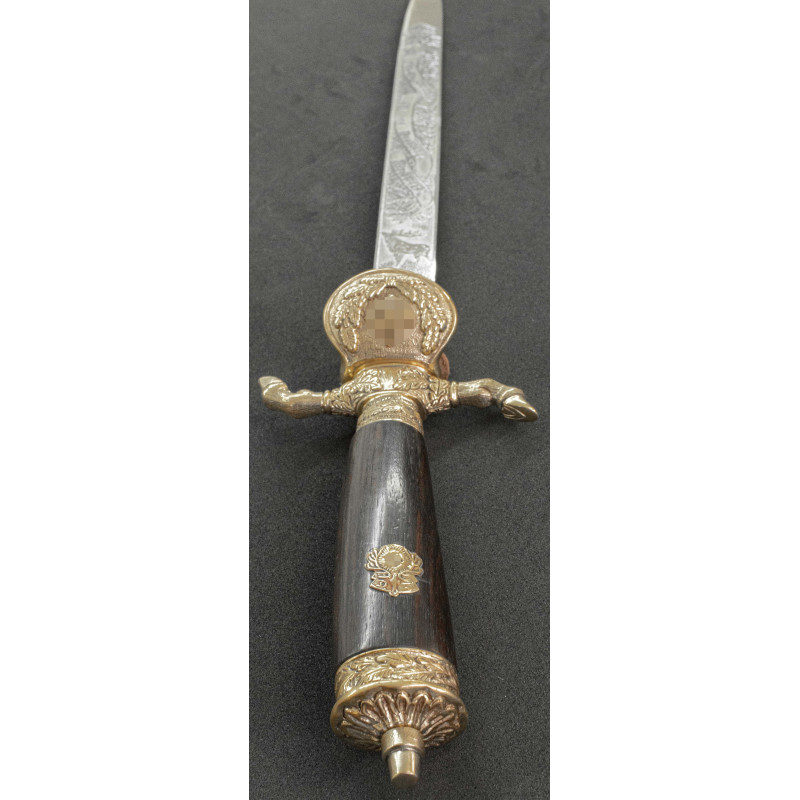
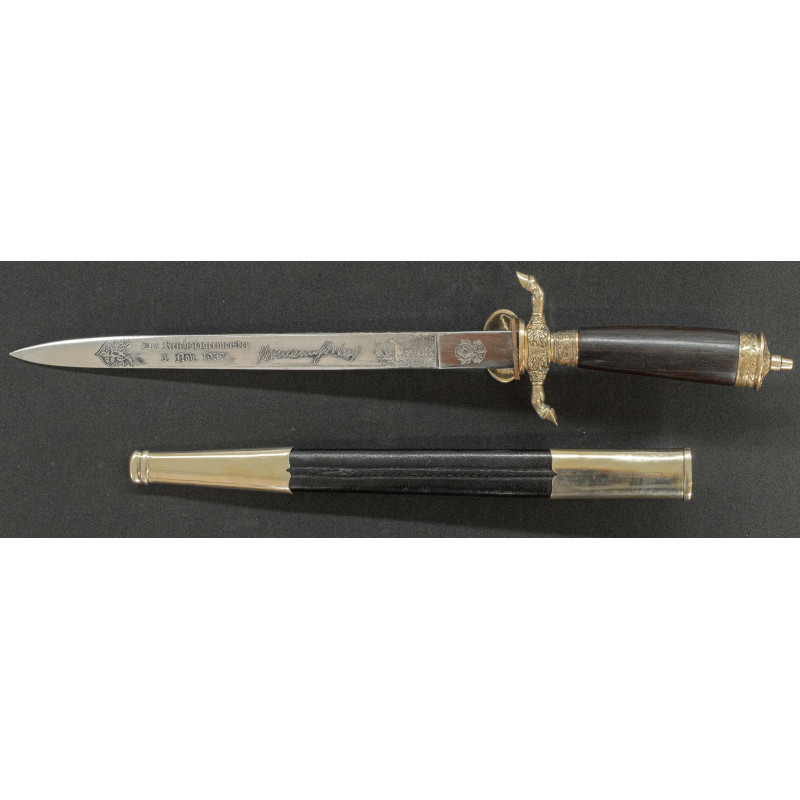
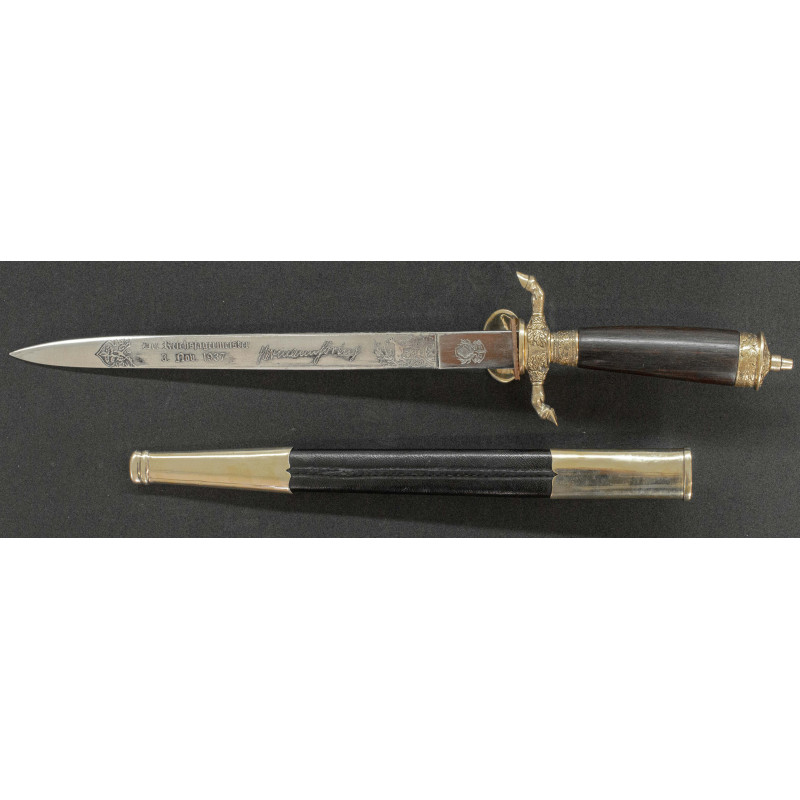
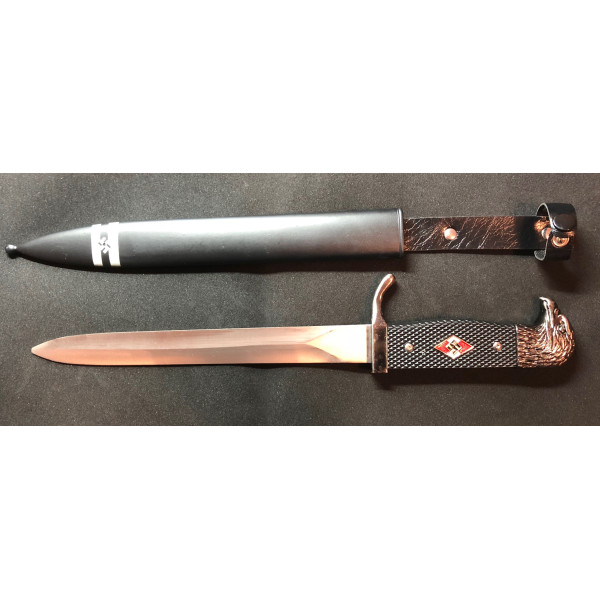
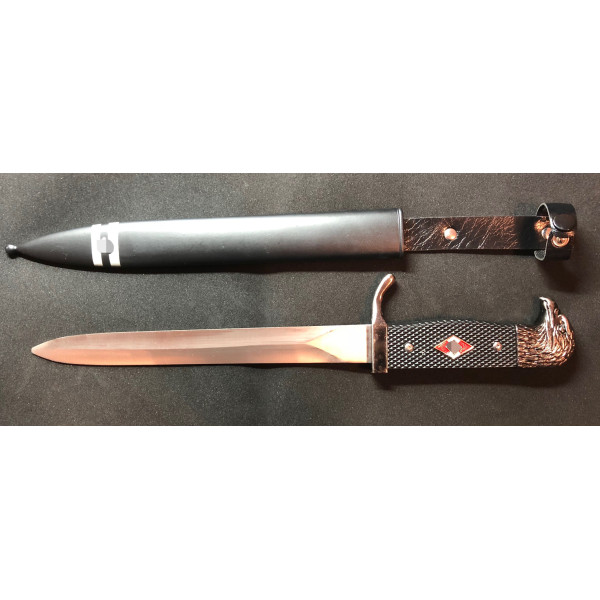
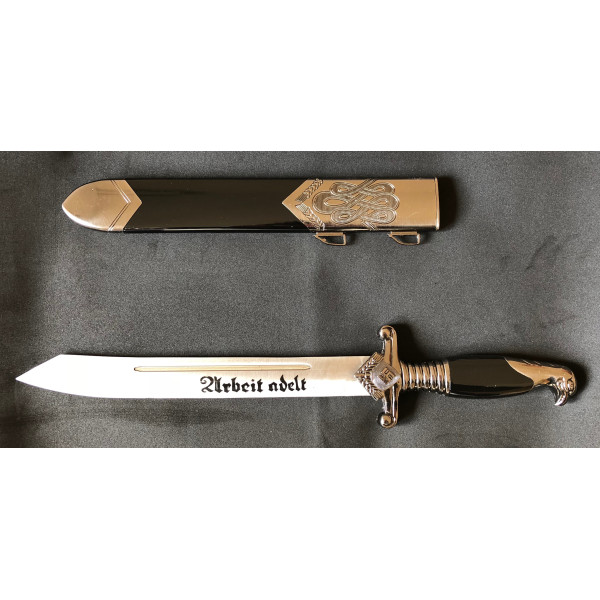
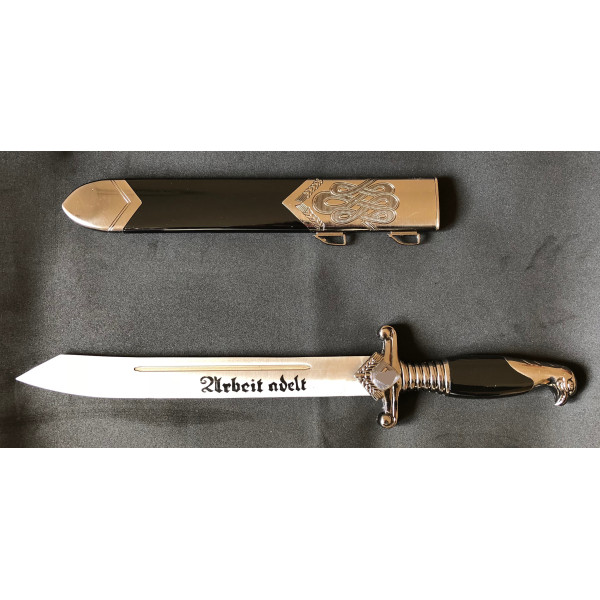
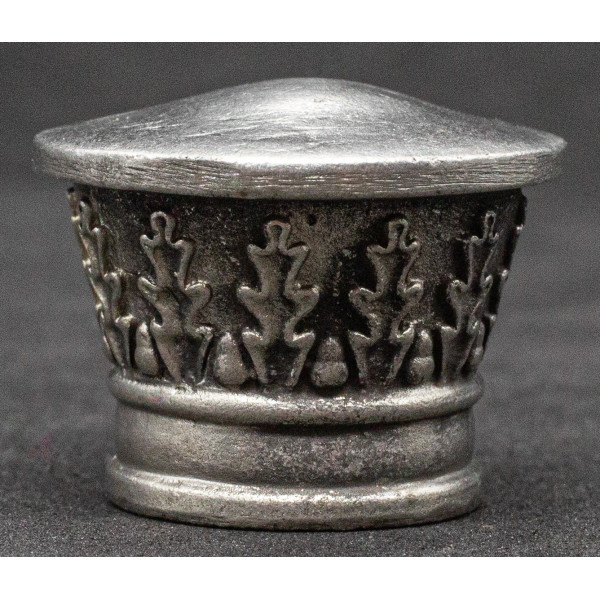
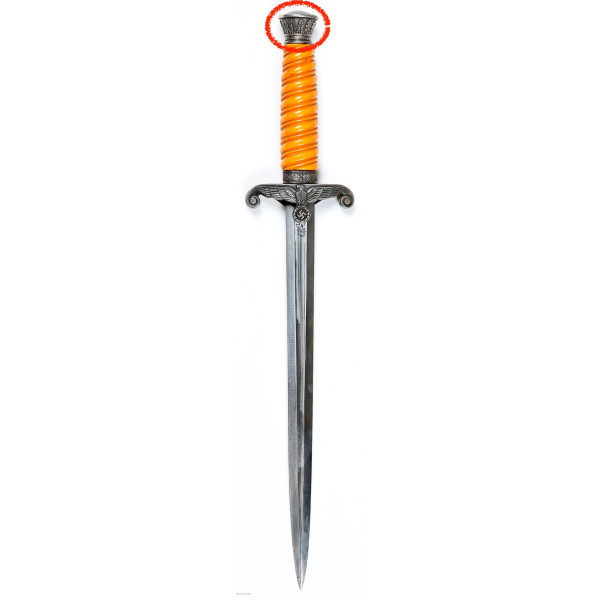
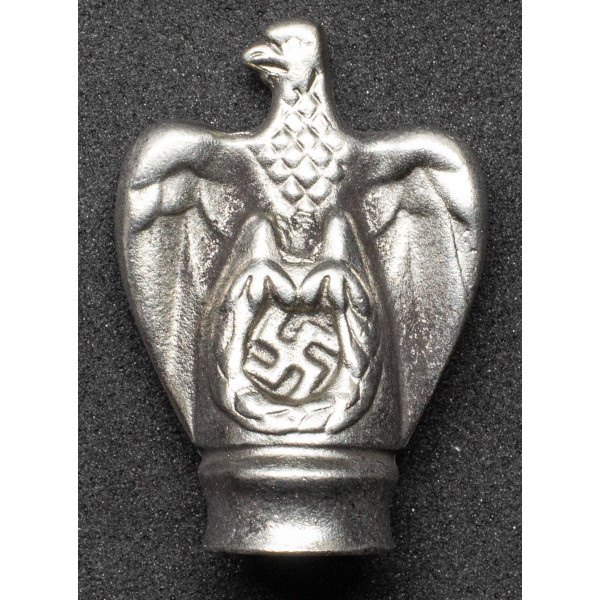
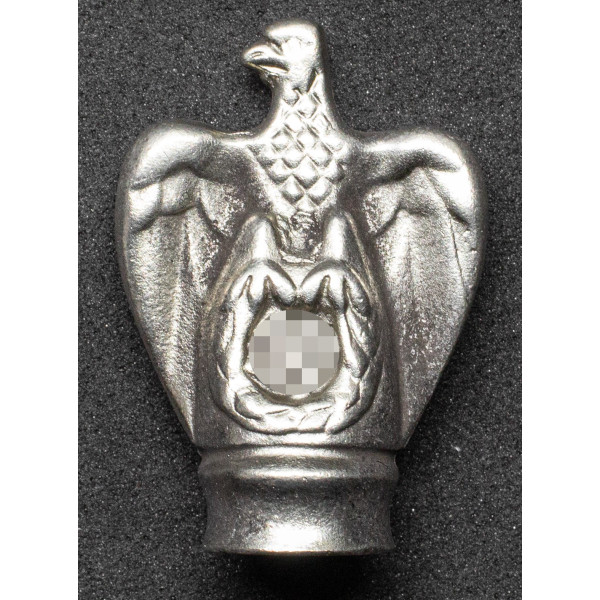
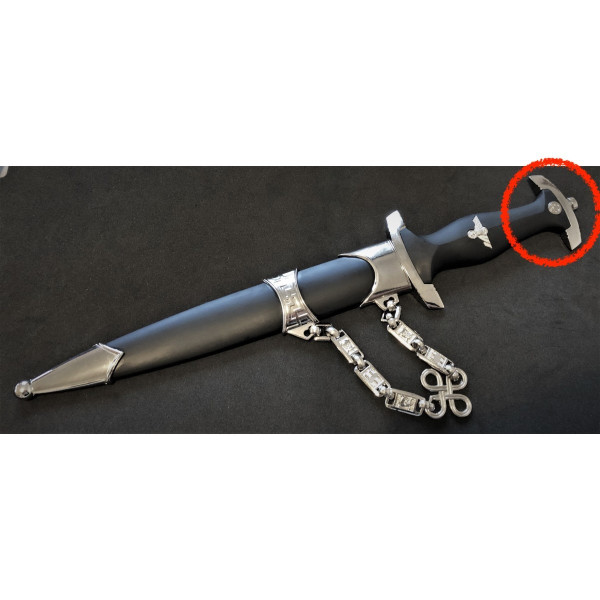
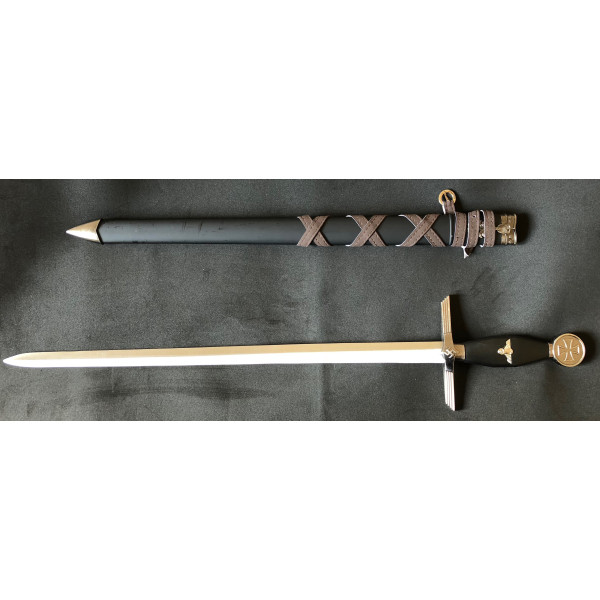
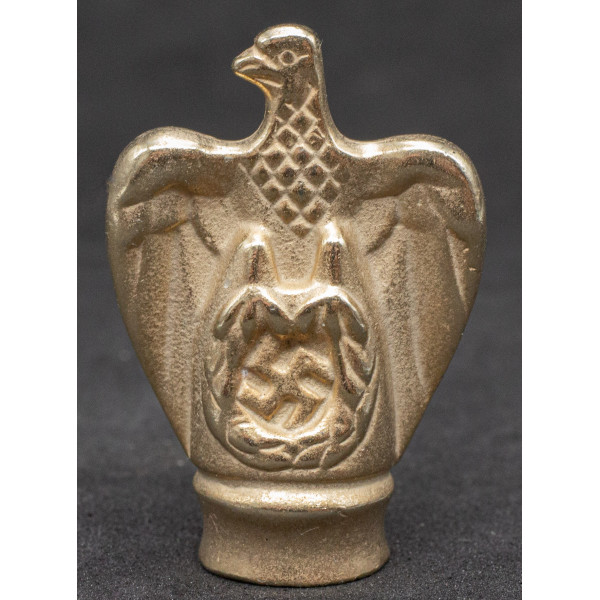
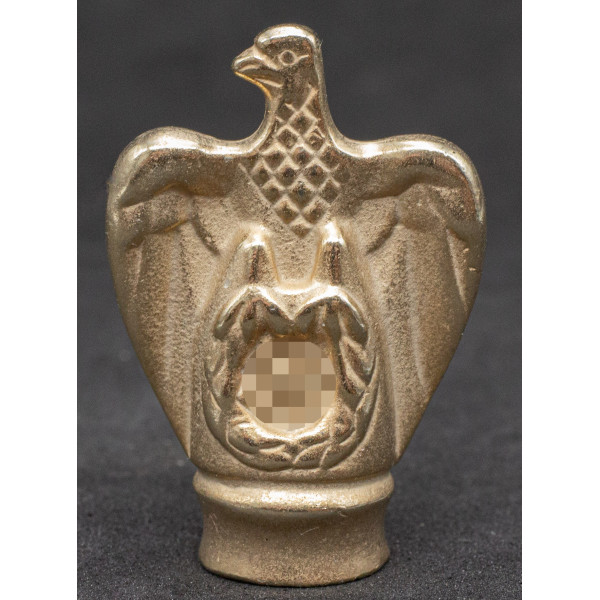
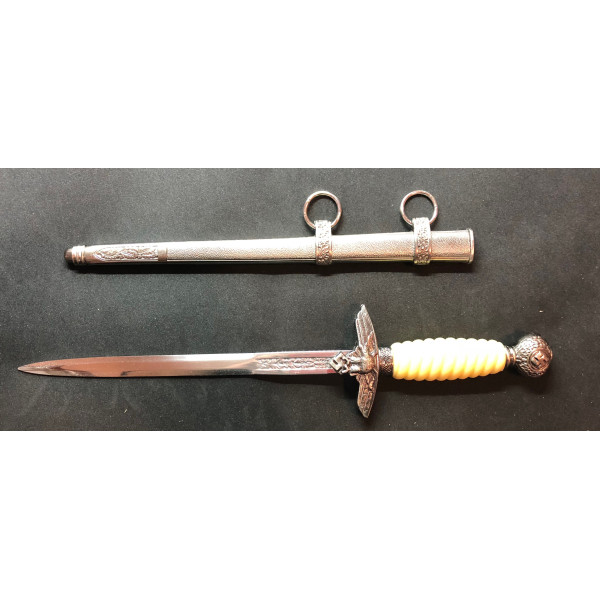
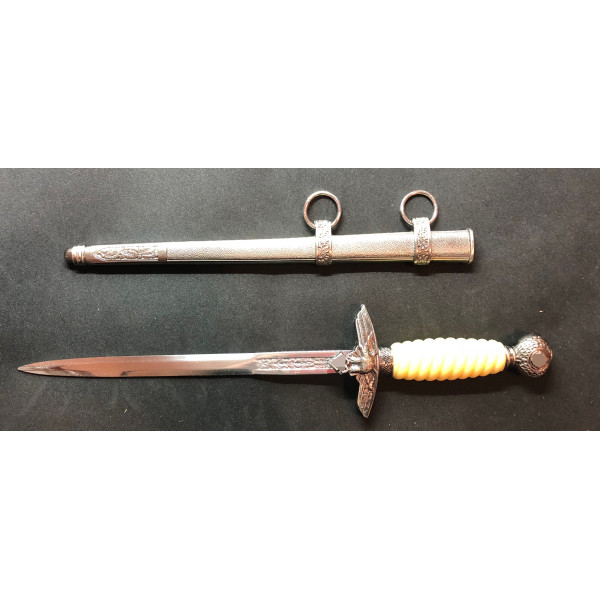
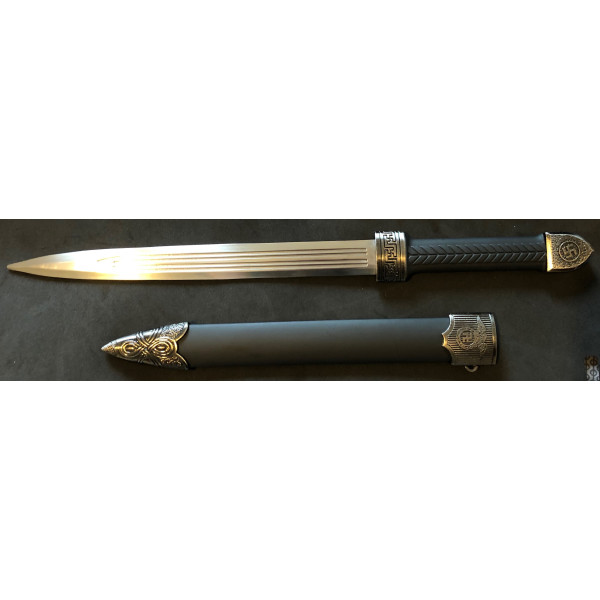
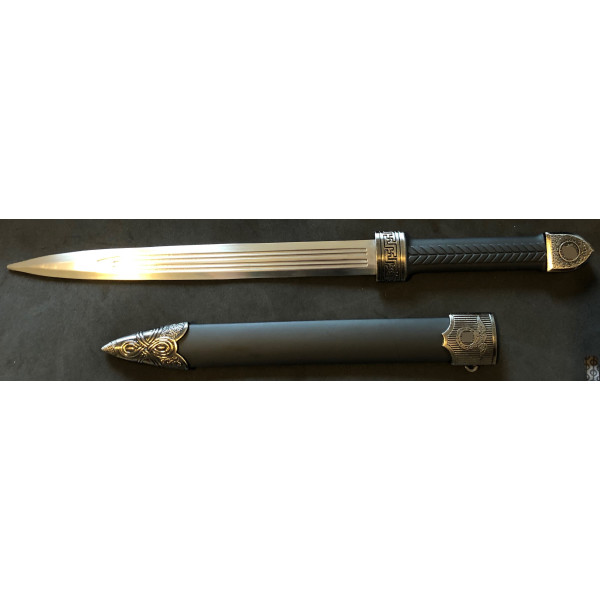
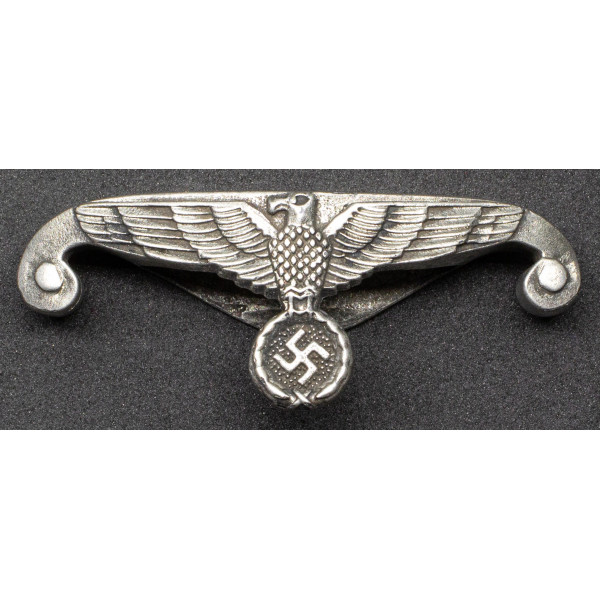
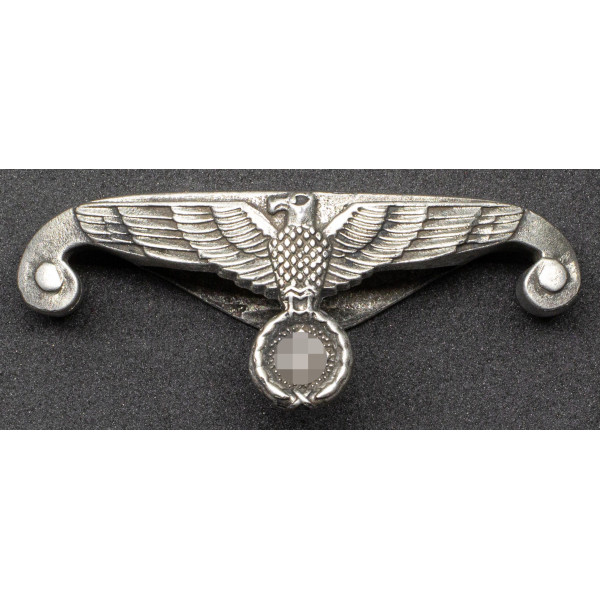
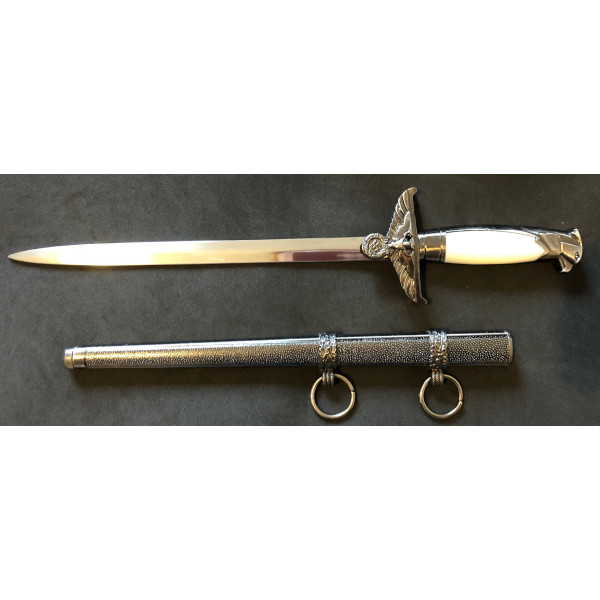
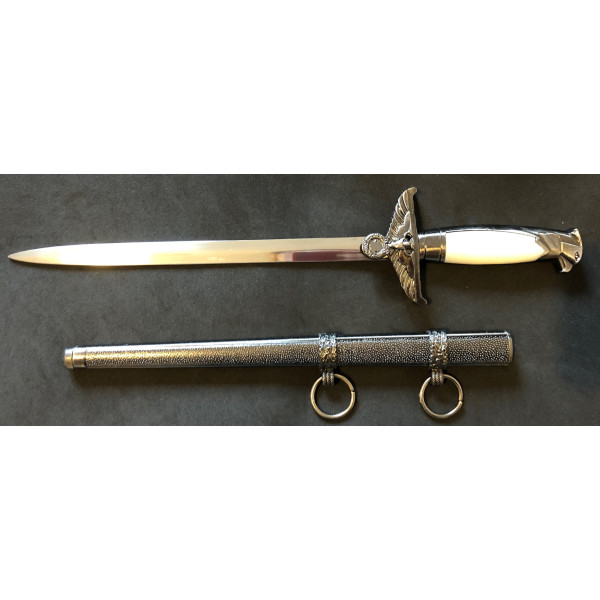
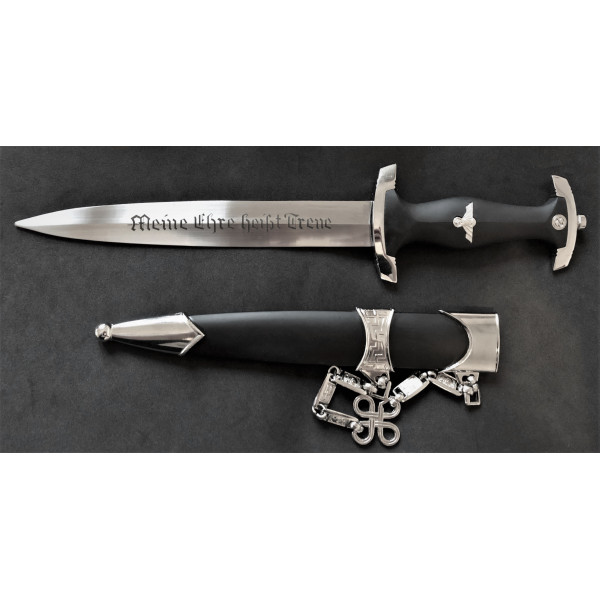
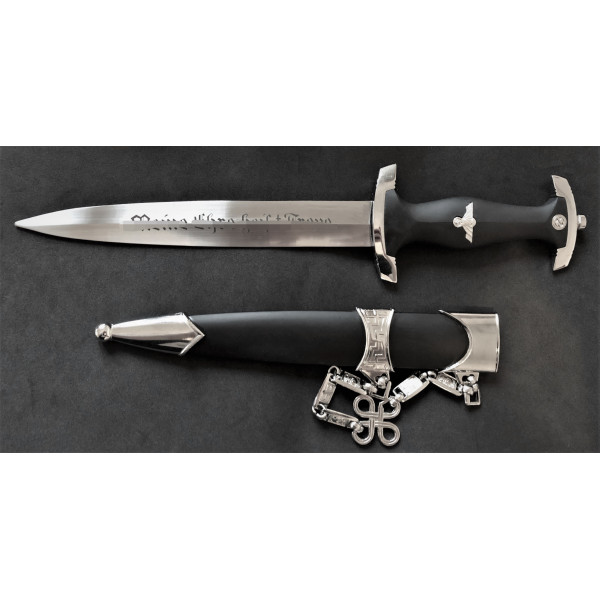
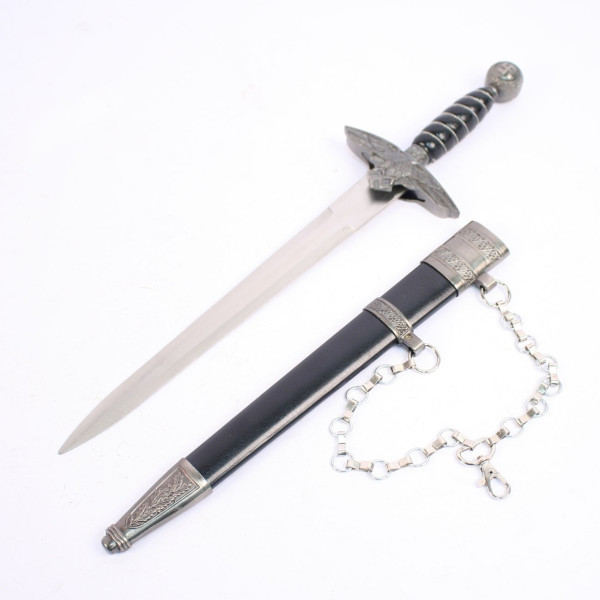
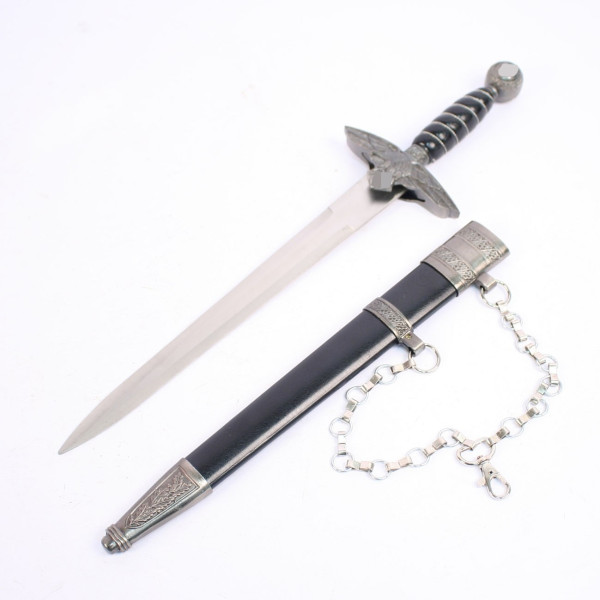
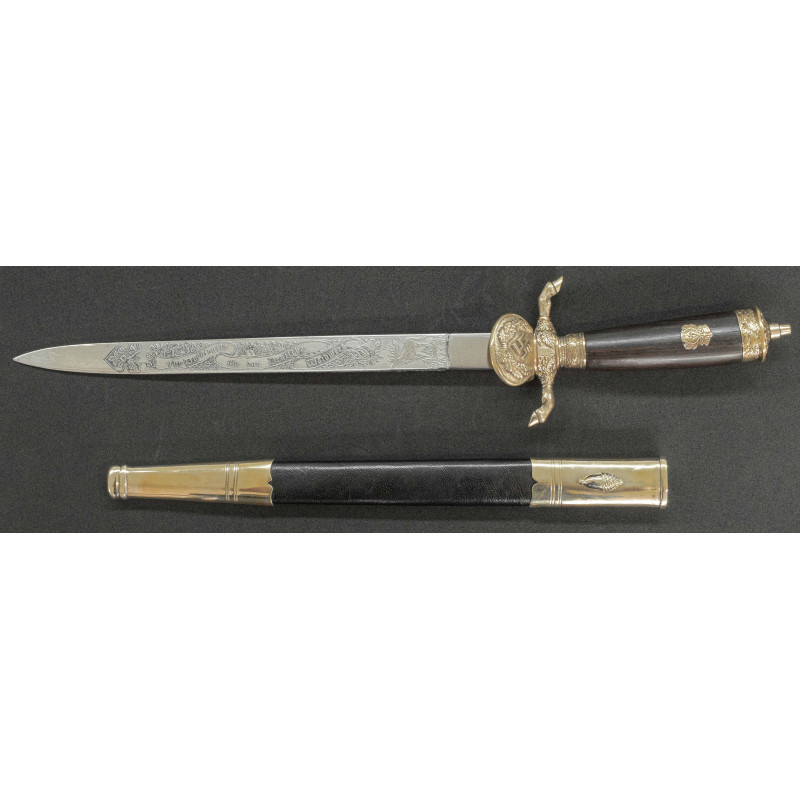
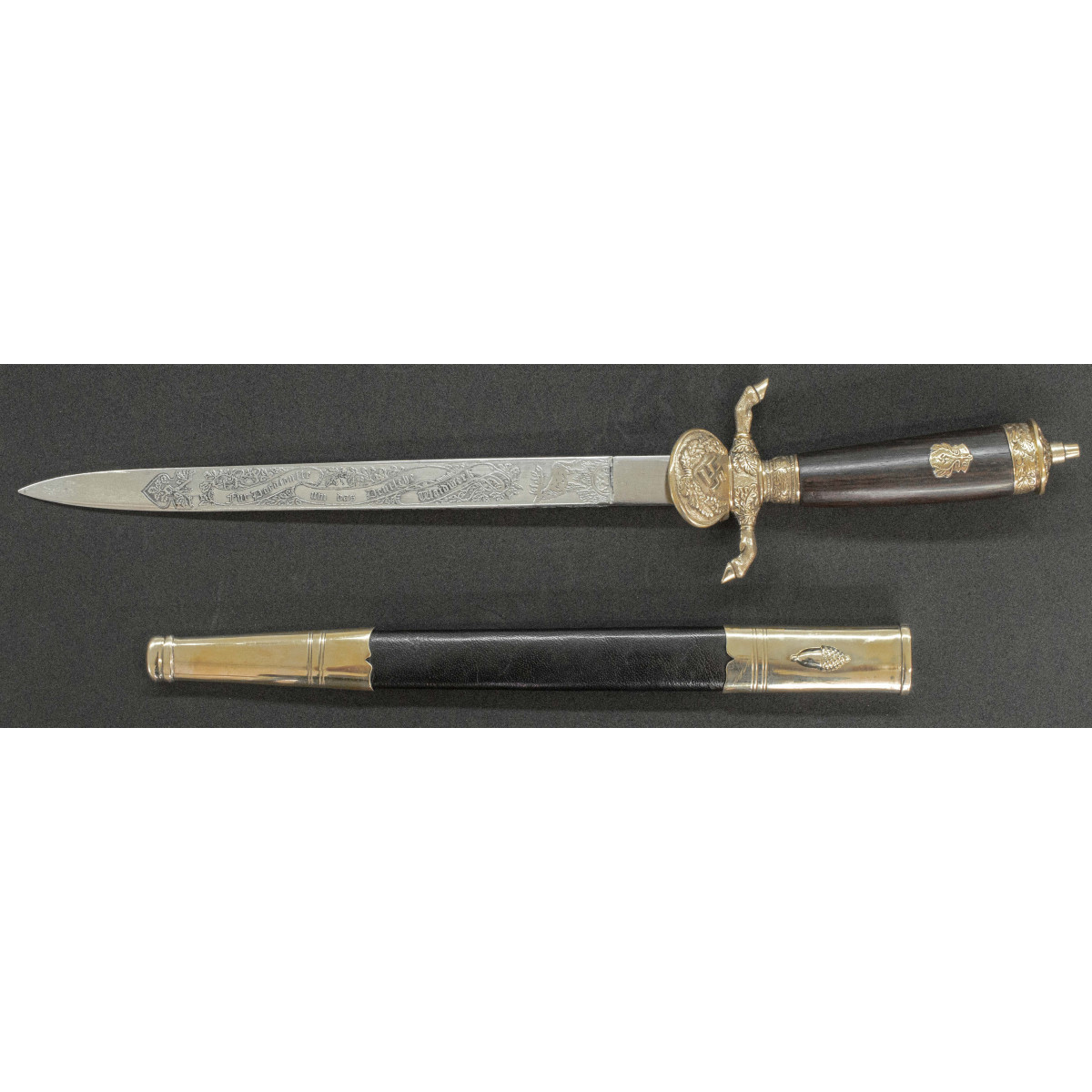
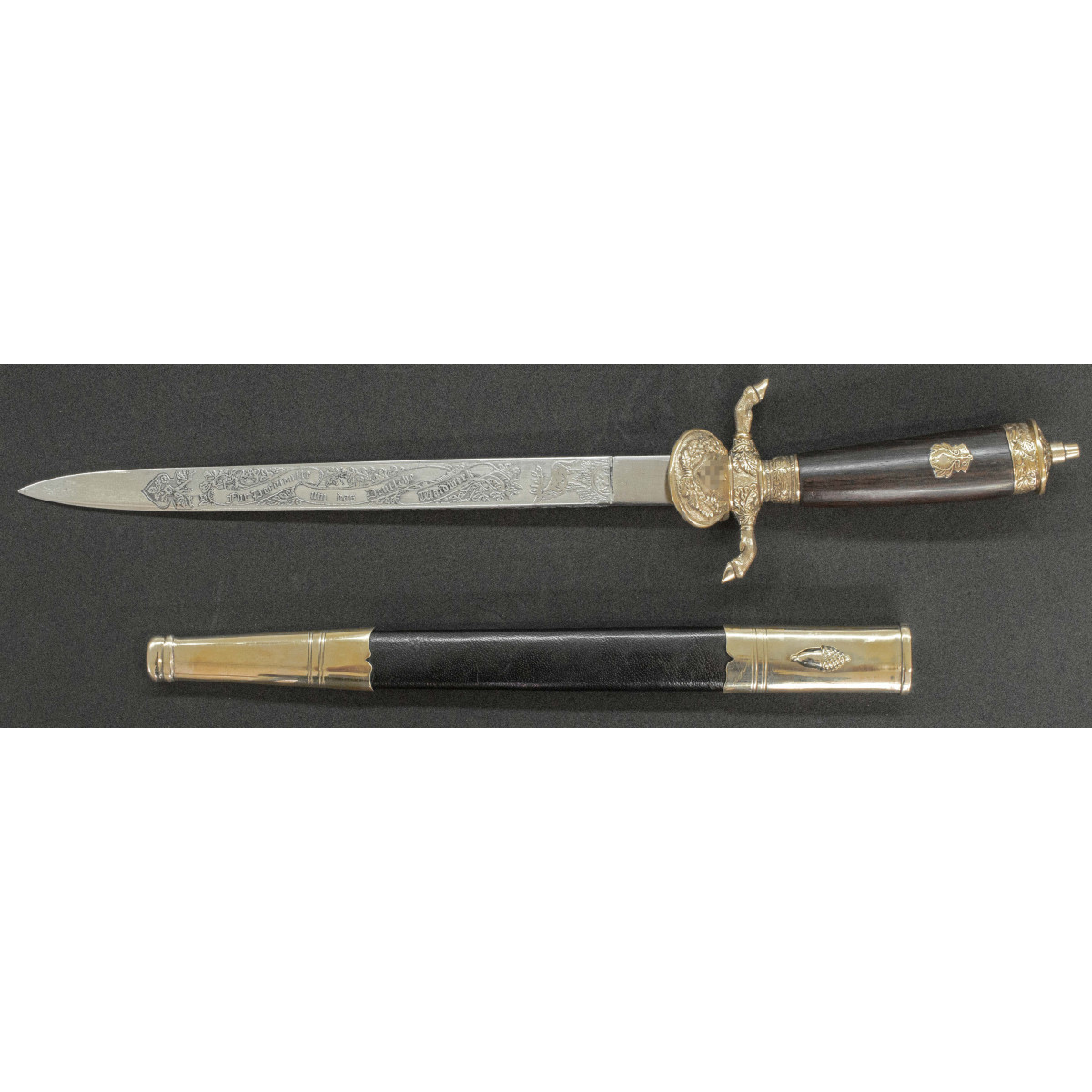
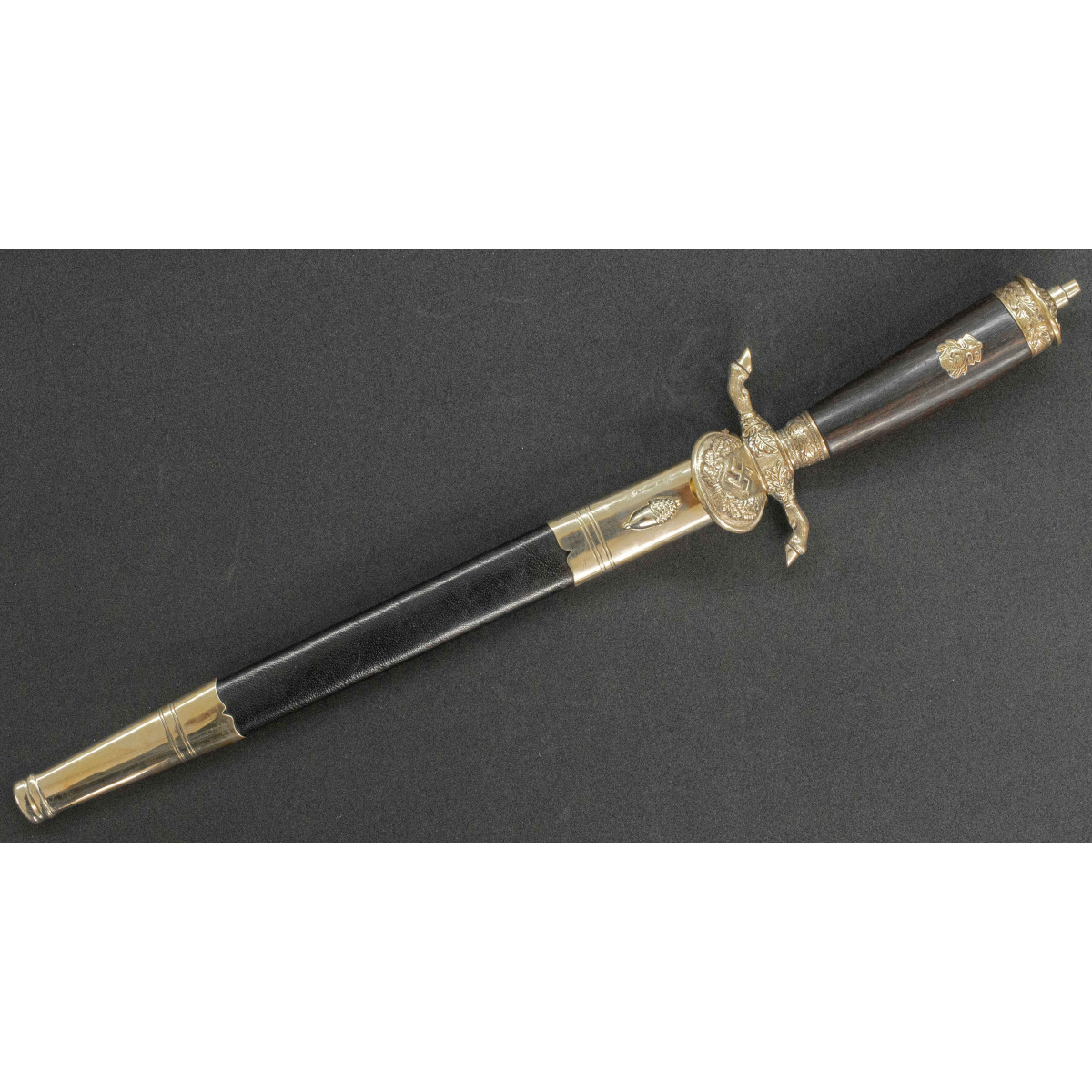
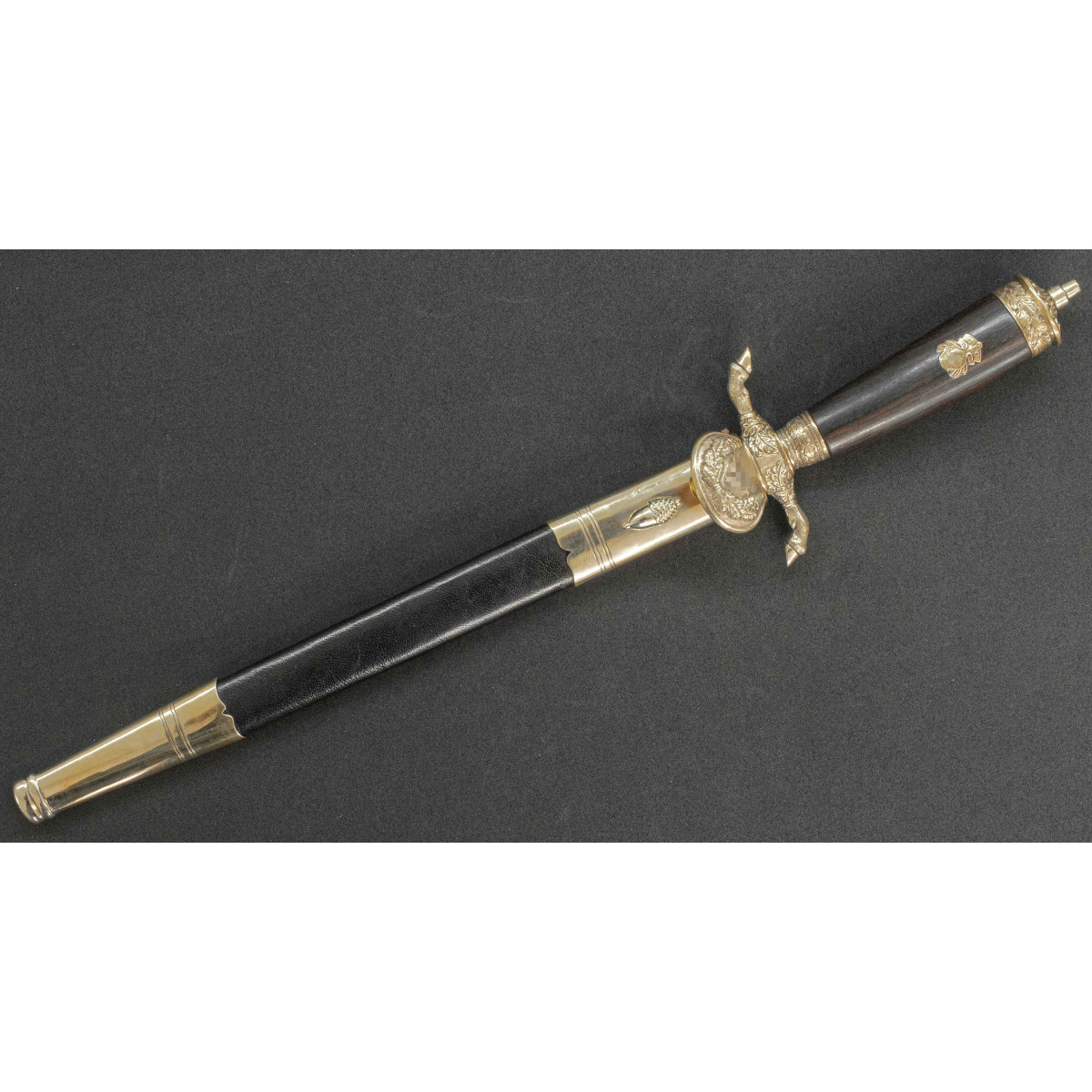
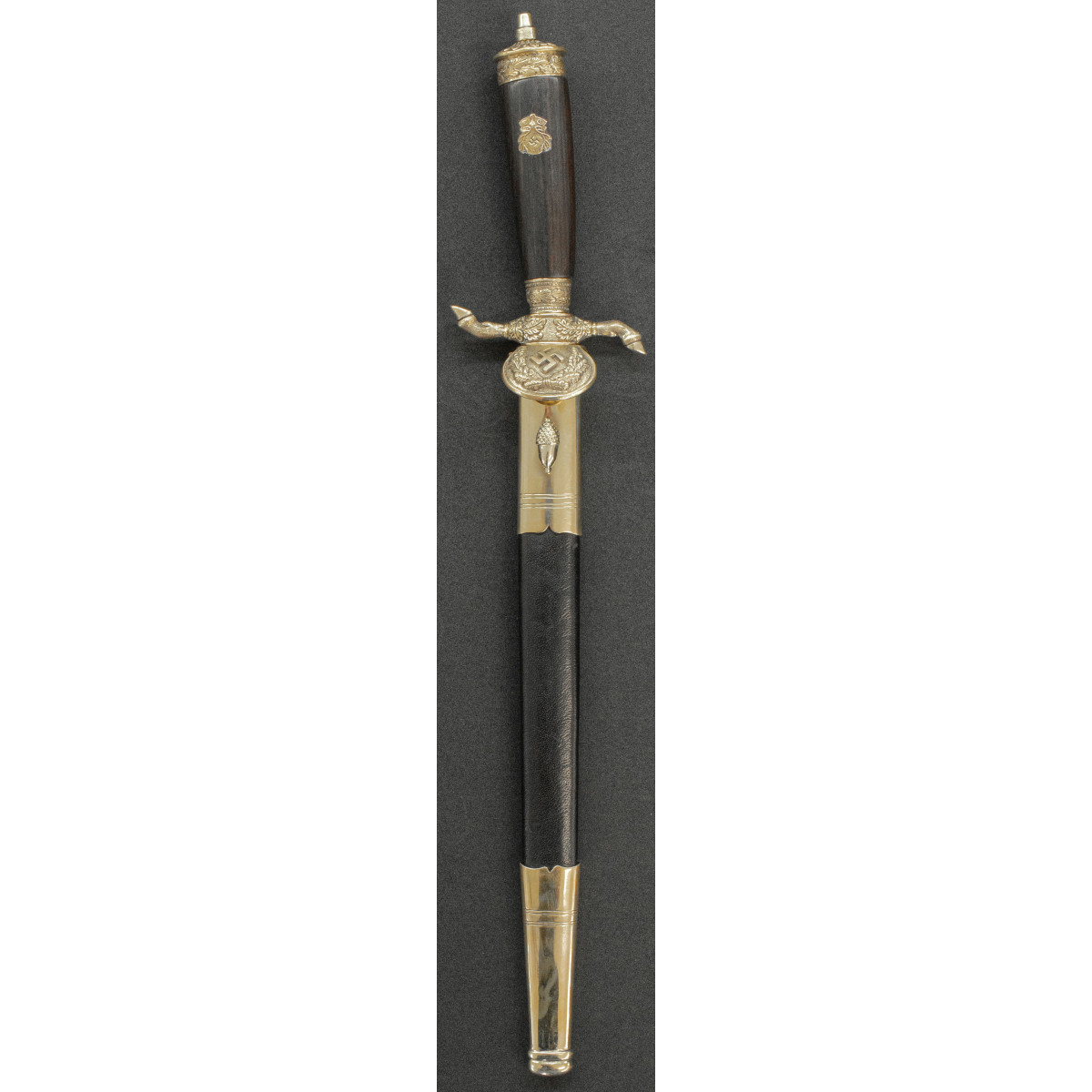
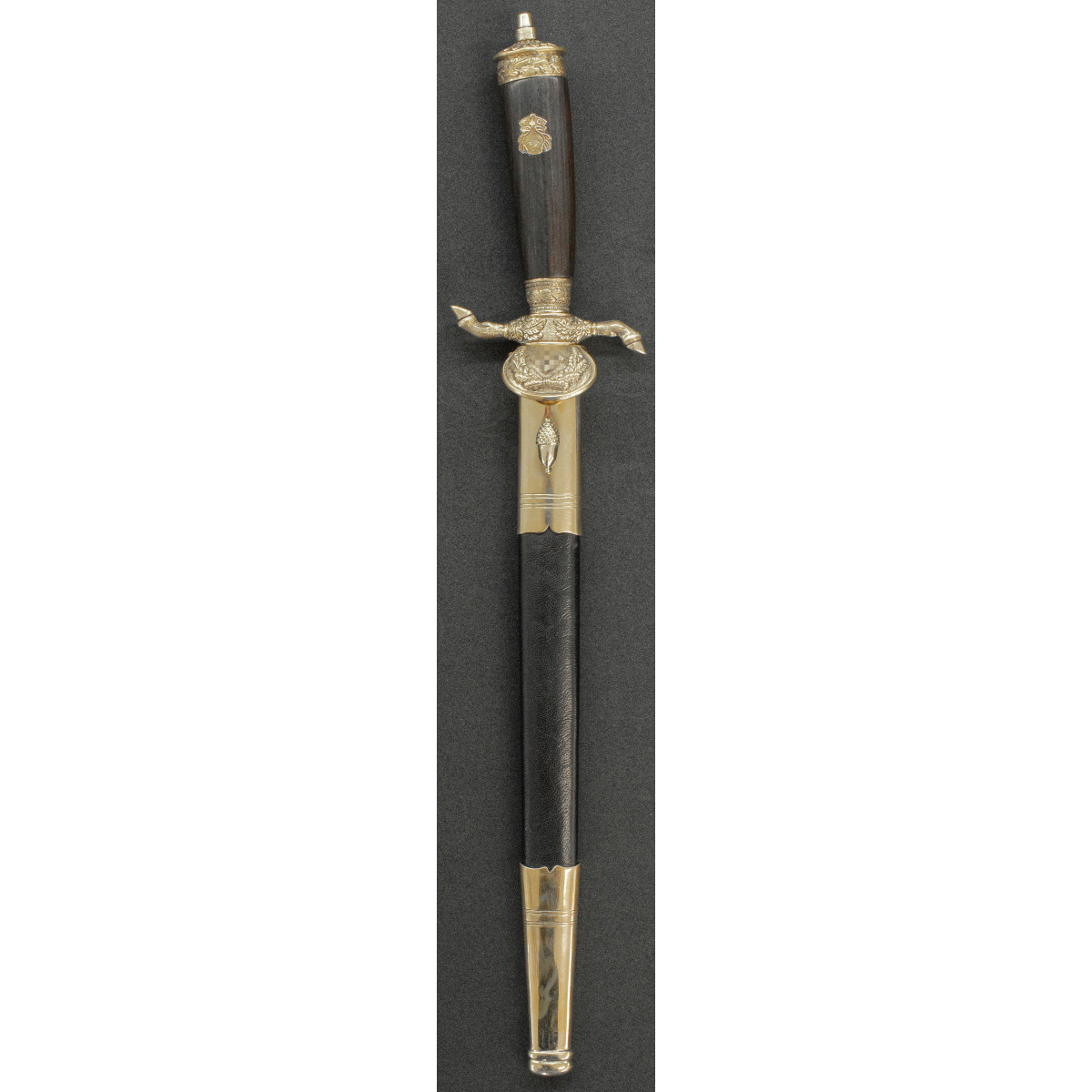
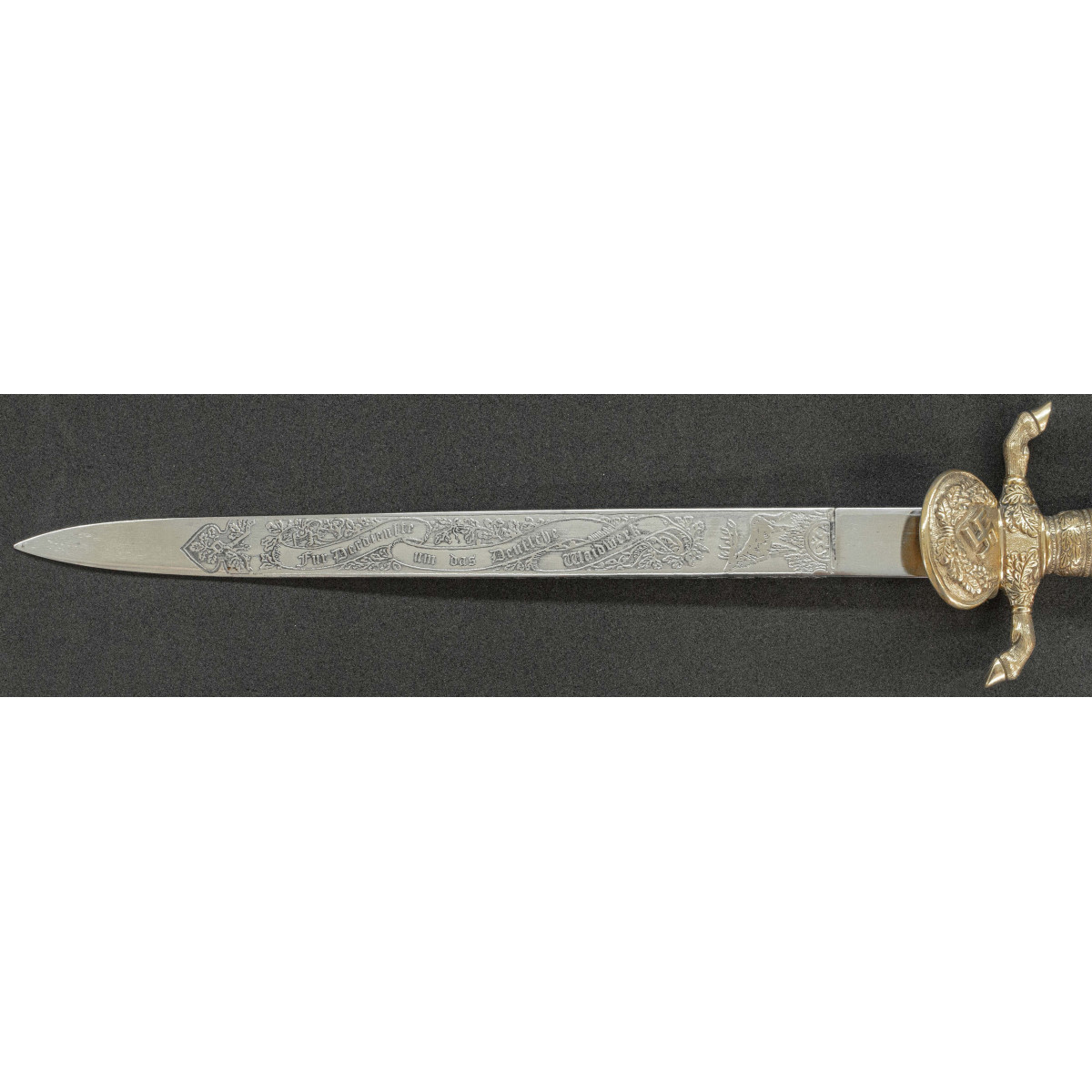
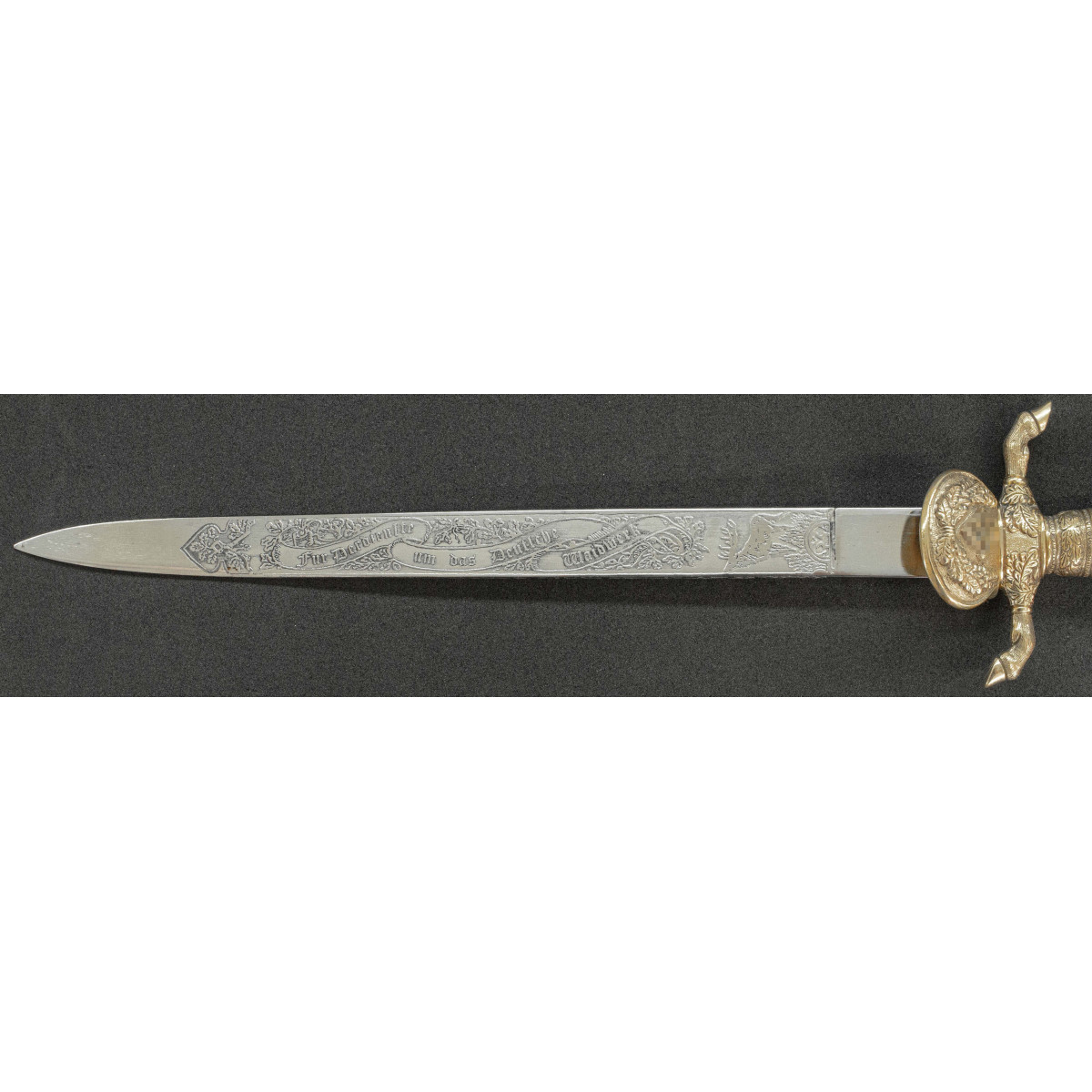
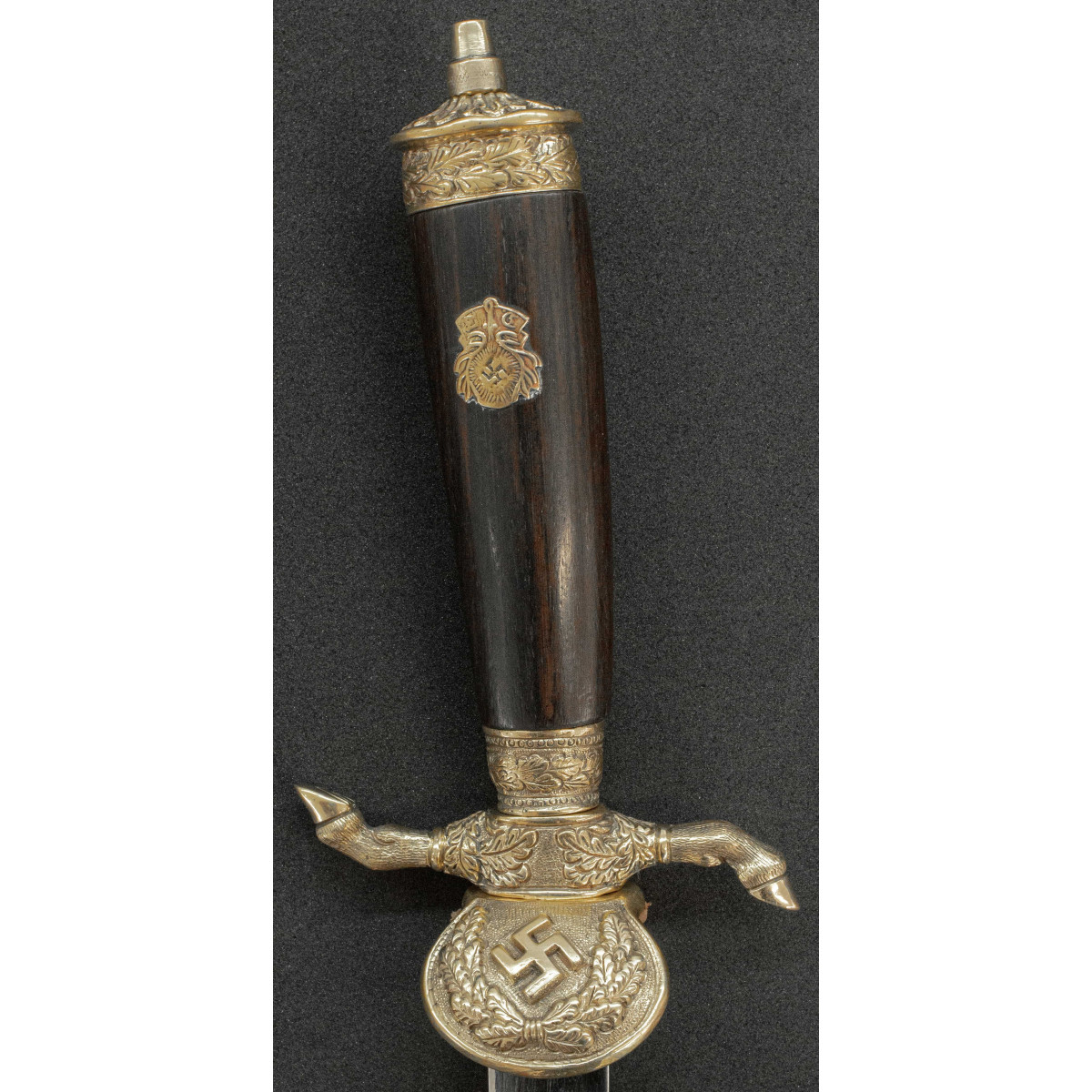
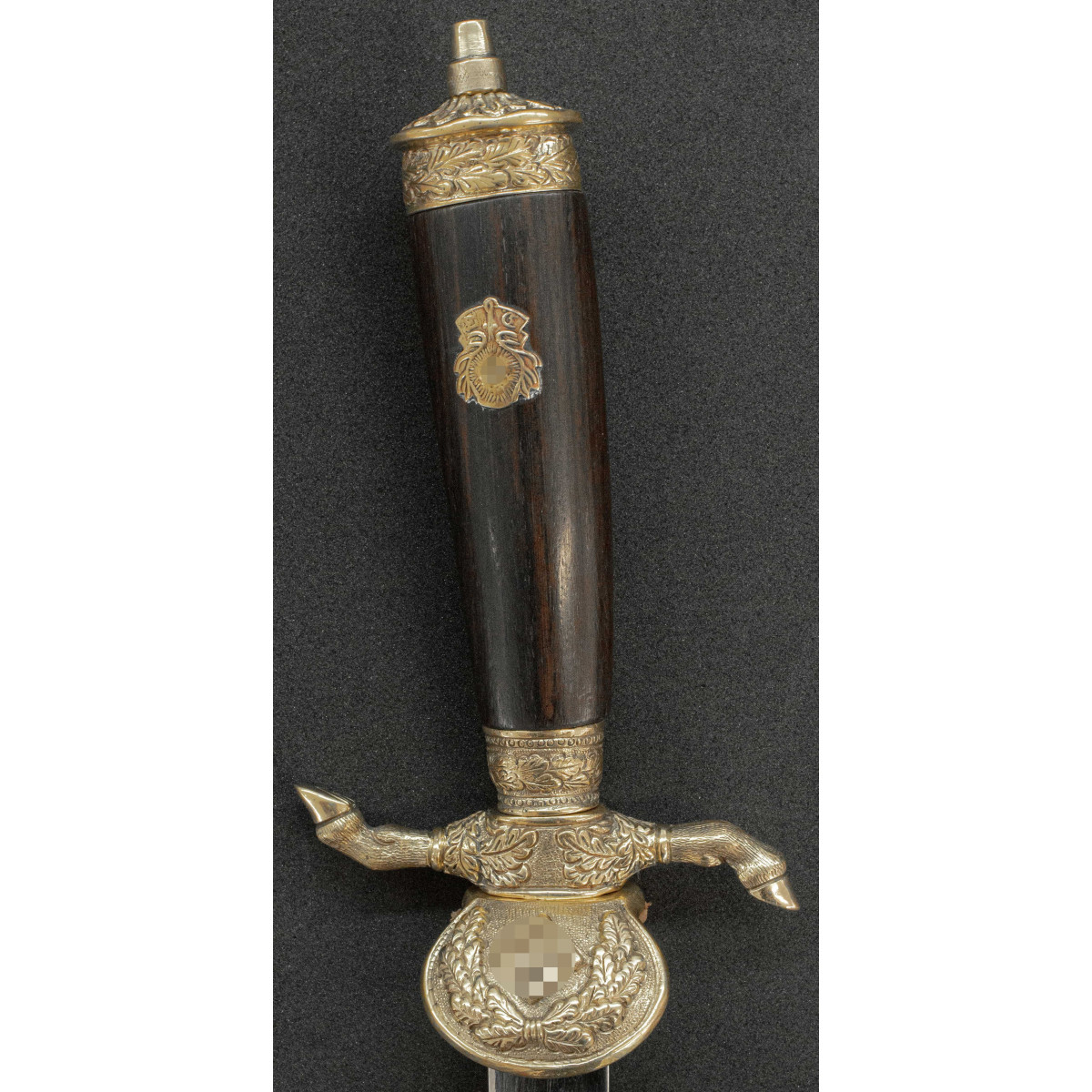
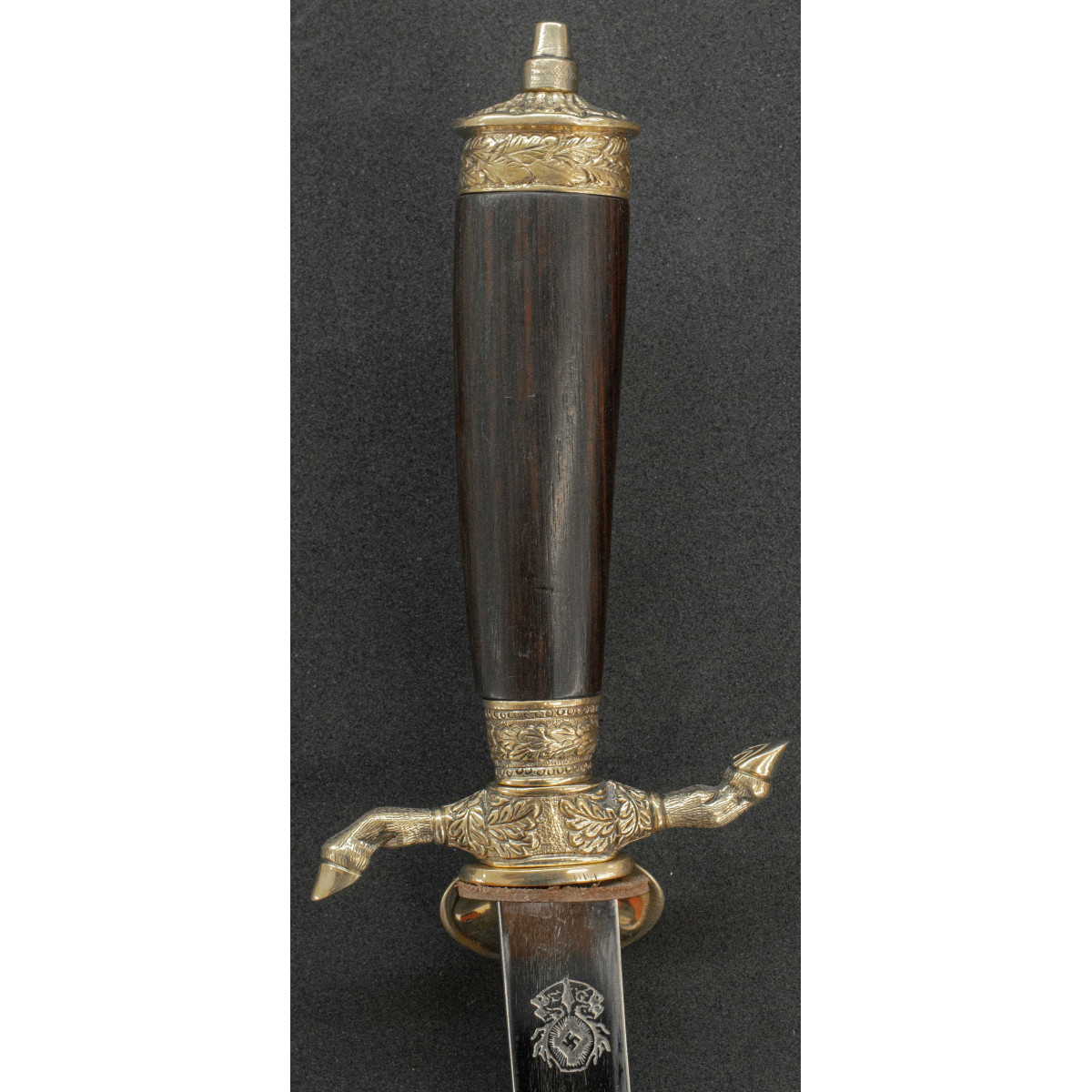
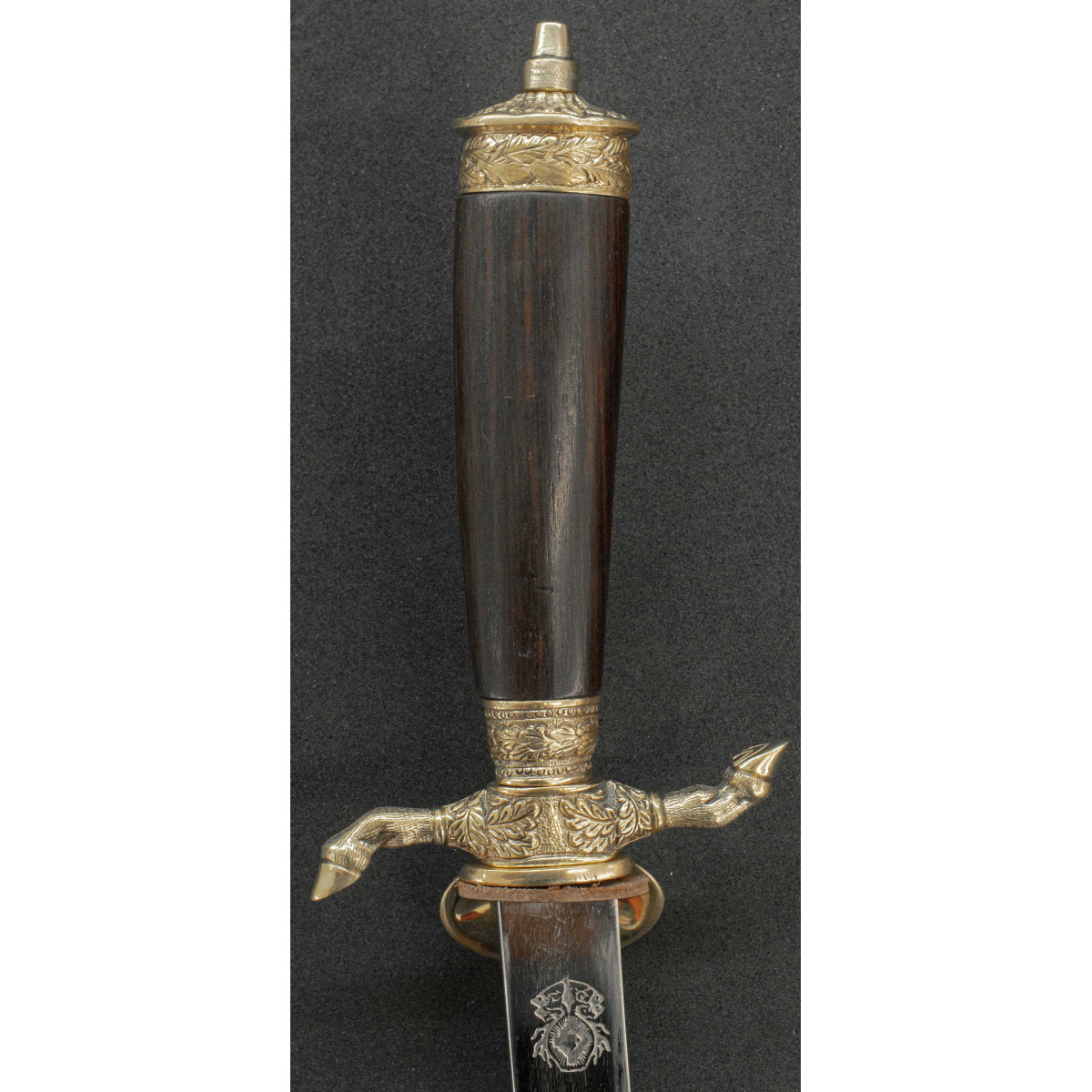
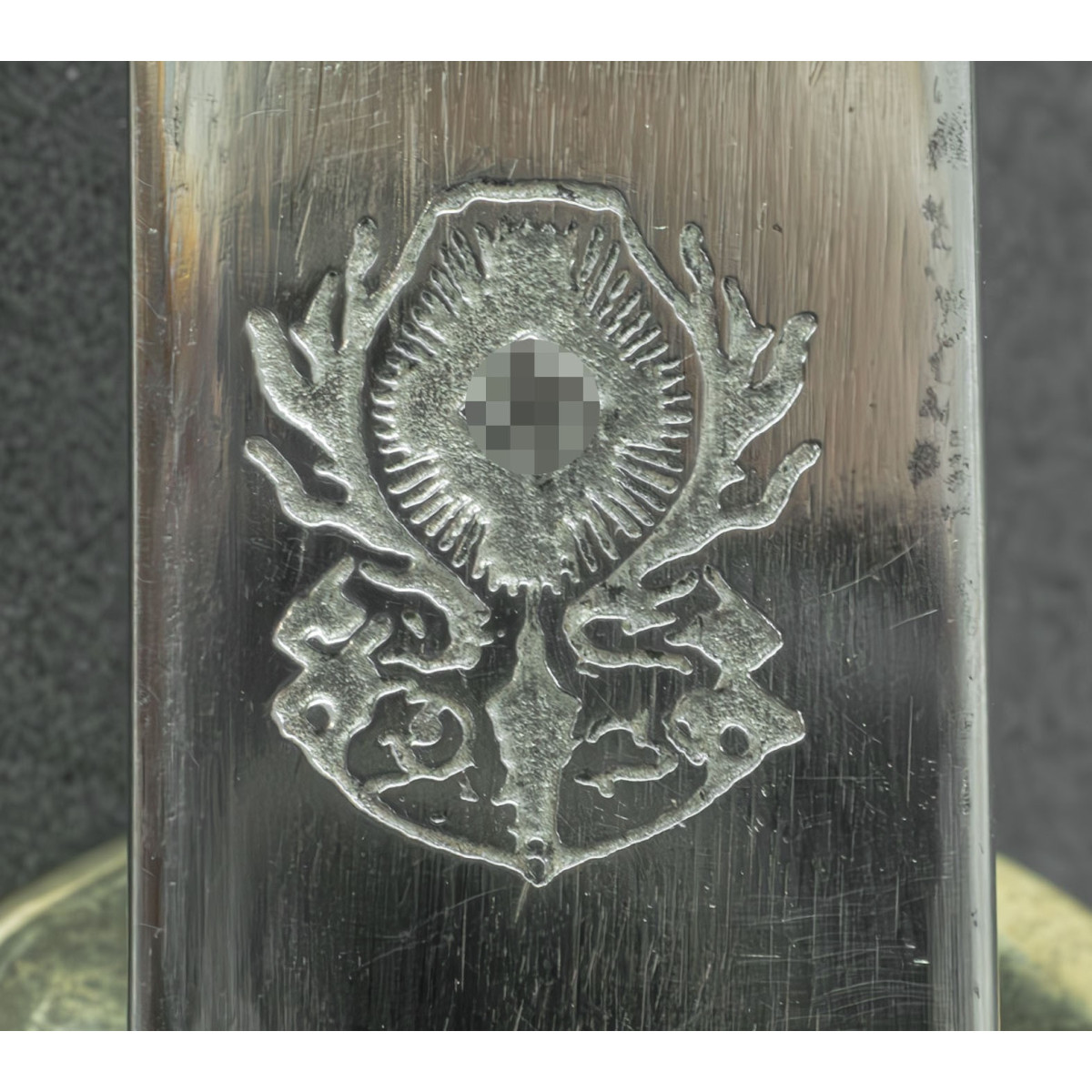
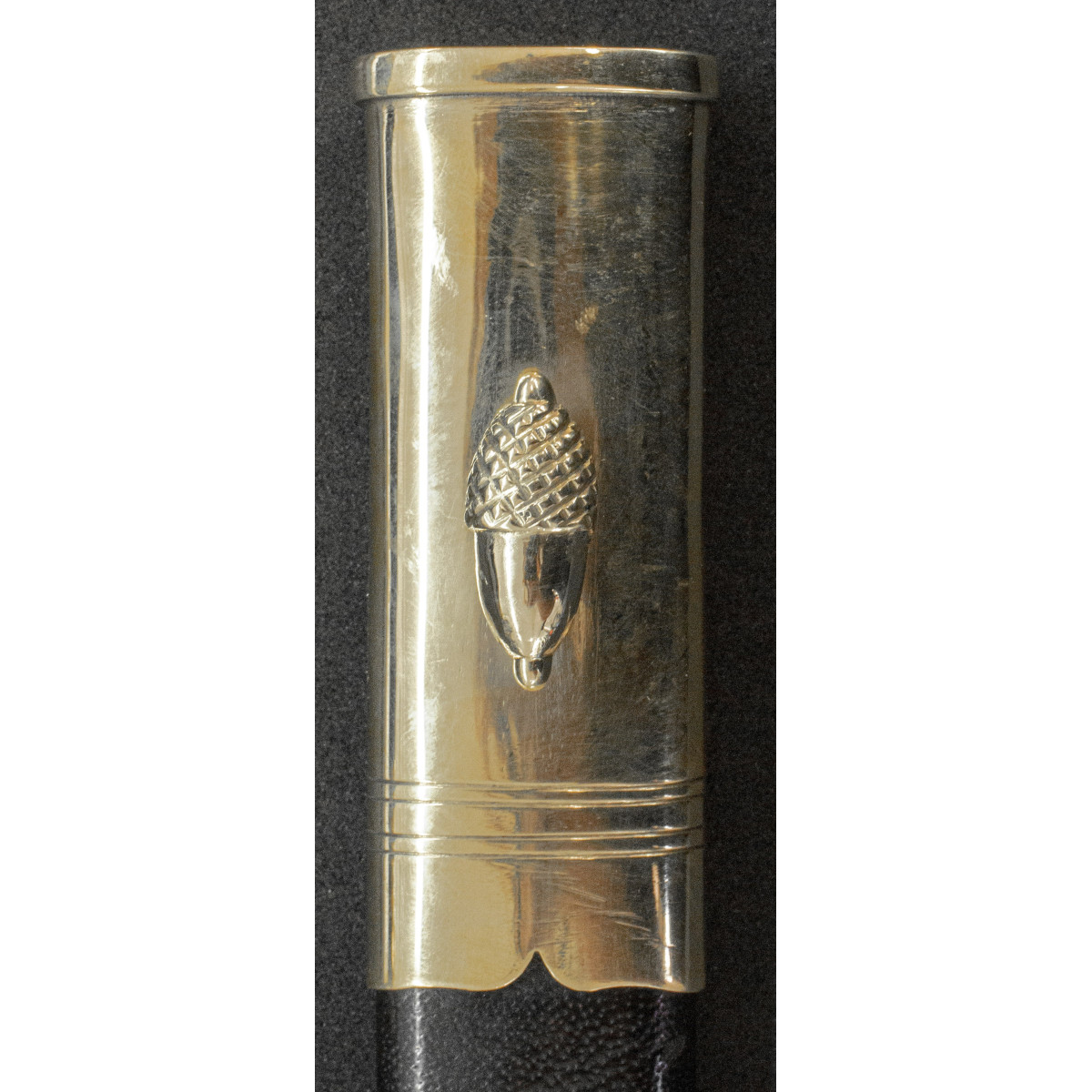
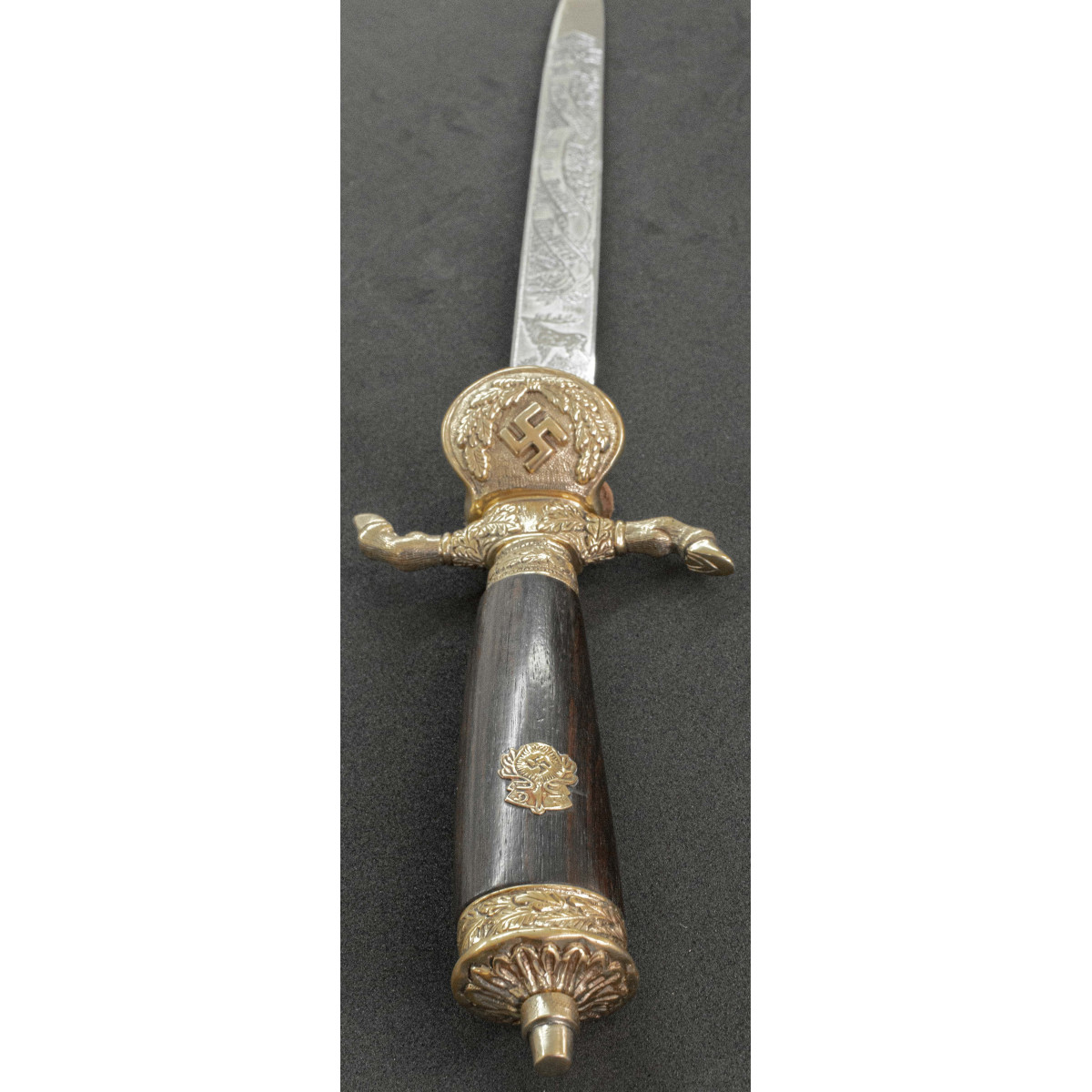
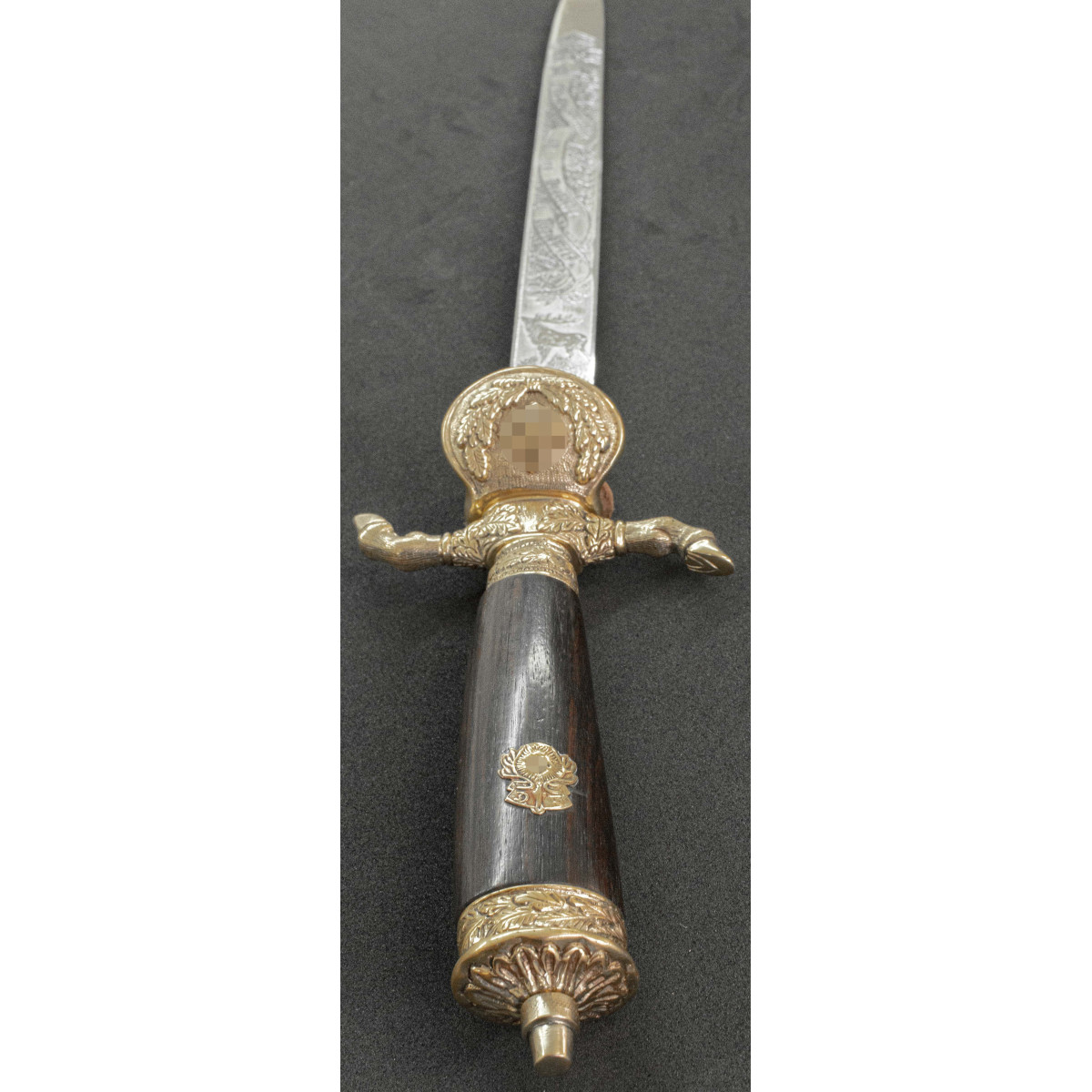
Honour dagger of the Deutsches Waidwerk, inspired by German hunting tradition and the Hirschfänger hunting cutlass. Linked to the world of the Deutsche Jägerschaft, it combined ceremonial function, forest symbolism and motifs such as stag, oak leaves and hunting culture.
Spedizione in Italia: 5.90€ con corriere BRT tracciato in 24h. Gratis per ordini oltre 60€
Spedizione in Europa: a partire da 8.90€ con DPD/FedEx, consegna in 2-3 giorni con tracking code. Gratis per ordini oltre 90€
Spedizione in USA: a partire da 18.90€ con corriere FedEx, consegna in 2-4 giorni con tracking code. Gratis per ordini oltre 399€
Reso gratuito: offriamo resi gratuiti per articoli danneggiati (non per danni causati dall'acquirente) o difettosi entro 30 giorni dalla ricezione dell’ordine. Puoi restituire il prodotto in cambio di un buono spesa, un prodotto diverso o un rimborso diretto con il metodo di pagamento originale.
Ci piace innovare, sperimentare ed aggiungere sempre nuovi prodotti al nostro catalogo, che vanta già più di 1500 articoli, interamente fatti seguendo le antiche tecniche di artigianato Fiorentino.
I nostri articoli sono riproduzioni fedeli, create partendo da uno specifico modello, che nella maggior parte dei casi è proprio l'oggetto originale, che custodiamo gelosamente nella nostra collezione.
Ogni nostro prodotto è pensato, sviluppato e creato in Italia, nei luoghi in cui la nostra azienda riesce a dare libero sfogo alla creatività e alle complesse tecniche di lavorazione dei materiali metallici che utilizziamo.
Honour dagger of the Deutsches Waidwerk, a ceremonial edged weapon inspired by the German tradition of the Hirschfänger, the hunting dagger or cutlass historically associated with the chase and with dispatching game. During the Third Reich period, hunting in Germany was organised through the Deutsche Jägerschaft, a statutory corporation with mandatory membership for holders of hunting licences. Sources describe it as an organisation with authority over hunting matters and its own system of honorary courts.
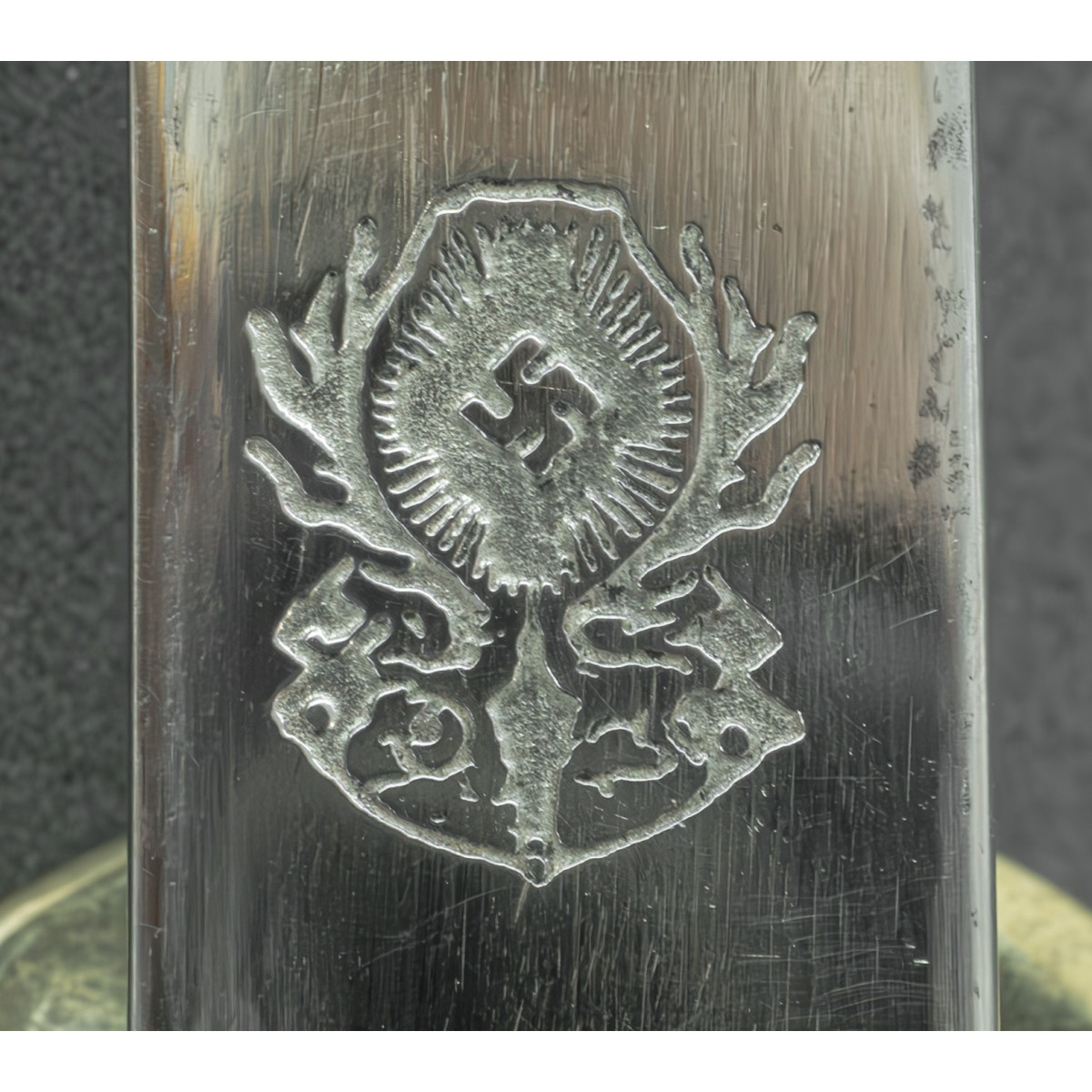
This type of dagger belongs to the field of ceremonial hunting weapons, rather than to military or party service daggers such as those of the SA, SS, NPEA or Army. Its visual language is clearly venatorial: the stag, the forest, oak leaves, game animals and the traditions of the German hunter are central themes. Hunting daggers and cutlasses of the period often used long blades, decorated fittings, light or horn-like grips, shell guards, ornamental crossguards and refined scabbards. High-grade German hunting pieces could also carry marks or symbols associated with the Reichsbund Deutsche Jägerschaft, together with decorative blade etching or presentation inscriptions.
The term “Deutsches Waidwerk” refers to more than the practical act of hunting. “Waidwerk” evokes the rules, rituals, vocabulary, discipline and cultural identity of the hunter. For this reason, an honour dagger of this type should be understood not simply as a weapon, but as a presentation and identity object, expressing hunting status, ceremonial belonging and the formal culture of German venery.
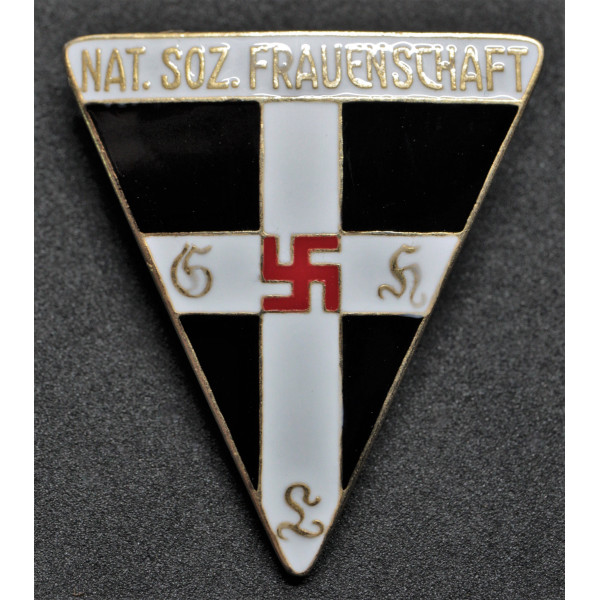
Historically, the interest of the piece lies in the meeting point between older hunting tradition and modern institutional organisation. In the 1930s, many civil, professional and sporting bodies in Germany were brought under state or party supervision. Specialist collecting sources note that both the Deutsche Jägerschaft and the Reichsforstdienst came under the supervision of the NSDAP system, with Hermann Göring at the head of the hunting and forestry sphere.
Collector’s note: on German hunting edged weapons, the stag was not merely decorative. It represented the regulated, ceremonial world of the hunt. This is why Hirschfänger and hunting honour daggers often display stags, oak leaves, acorns, hunting dogs or woodland scenes, turning the weapon into a marker of status and cultural belonging.